Tesla’s Record Q2 Deliveries Put Self-Driving Ambitions Back in the Spotlight
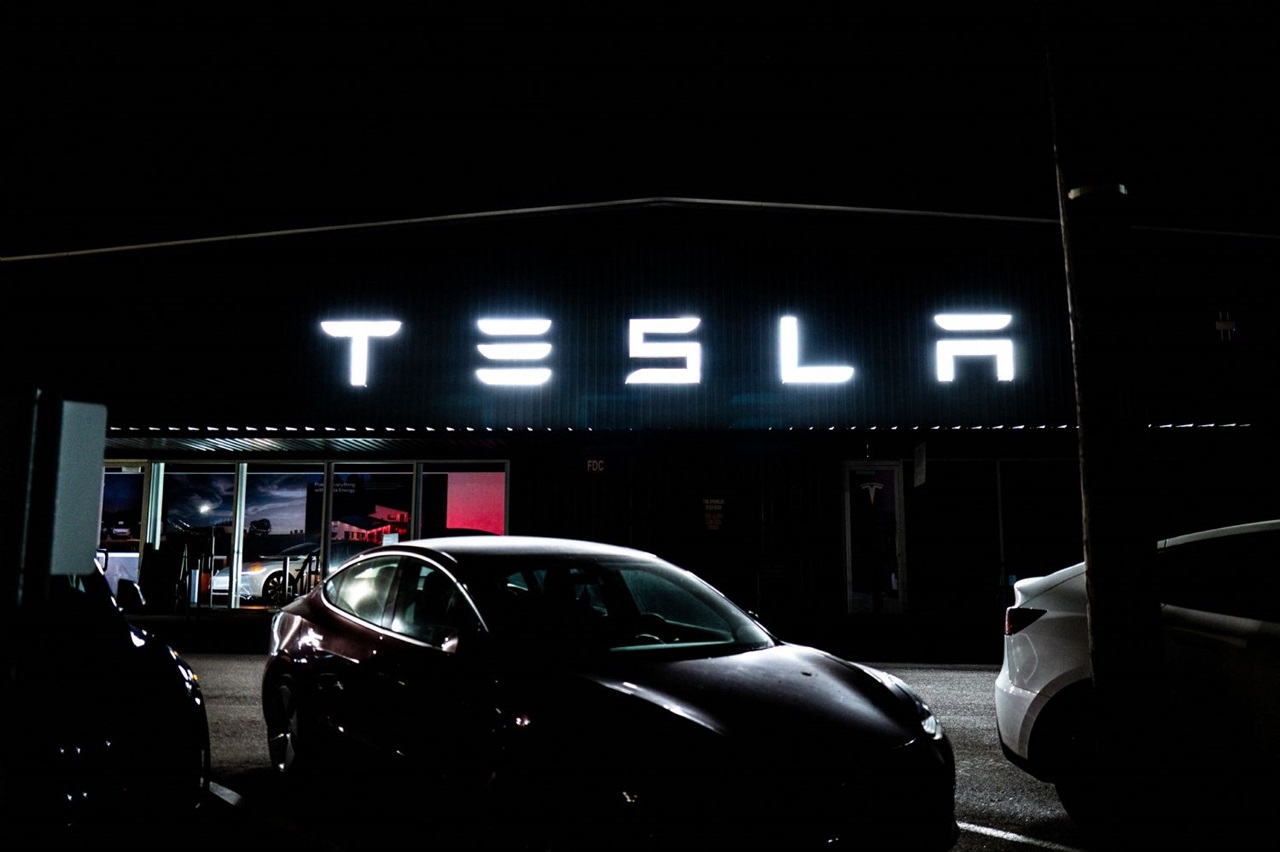
Tesla delivered its best-ever second quarter for vehicle sales, giving investors another sign that demand for the company’s electric vehicles remains strong. The results, released after the US market closed on July 22, showed that Tesla is still capable of moving a large number of cars in an increasingly competitive EV market.
But the headline delivery milestone did not tell the full story.
While vehicle sales reached a record for the quarter, Tesla’s profitability came under pressure. The company reported a very narrow operating margin, raising fresh questions about how much it is sacrificing to keep sales momentum alive. Price cuts, rising competition, and the cost of scaling new technologies continue to weigh on the business, even as its cars remain among the most watched products in the electric vehicle industry.
Another concern was cash flow. Tesla swung sharply into negative cash flow, a development that caught the attention of Wall Street. For a company often valued not only as an automaker but also as a technology leader, investors are closely watching whether Tesla can keep funding ambitious projects while protecting its financial strength.
The latest Tesla earnings report has shifted much of the conversation back to autonomous driving. Supporters argue that Tesla’s long-term value depends heavily on self-driving technology, robotaxi plans, and software-driven revenue. If the company can turn its autonomous driving ambitions into a large-scale commercial success, today’s margin pressure may be seen as a temporary challenge.
Skeptics, however, remain focused on the numbers. Record deliveries are impressive, but thin profits and negative cash flow make it harder to ignore the risks. Tesla now faces the difficult task of proving that it can grow vehicle sales, protect margins, and deliver meaningful progress in self-driving at the same time.
The broader EV market is also becoming more crowded. Traditional automakers and newer electric vehicle brands continue to compete aggressively on pricing, features, and availability. This means Tesla must work harder to maintain its position, especially as consumers become more selective and incentives play a bigger role in buying decisions.
For investors, the latest quarter presents a mixed picture. Tesla is still selling vehicles at a record pace, which reinforces the strength of its brand and product lineup. At the same time, the company’s financial performance shows that growth is becoming more expensive.
The key question now is whether Tesla’s self-driving technology can become the next major growth engine. Until then, Wall Street is likely to remain divided between those who see Tesla as a future leader in autonomous mobility and those who worry that the company’s core auto business is under increasing pressure.
Tesla’s record second-quarter deliveries prove that demand is not the immediate problem. The bigger challenge is turning that demand into stronger profits, healthier cash flow, and a convincing path toward its self-driving future.