Tesla Cybercab Signals a Bold New Phase for Autonomous Electric Vehicles
Tesla’s push toward a fully electric future is entering one of its most important chapters yet with the Cybercab. As the company continues expanding its electric vehicle ambitions, this autonomous model stands out as more than just another EV concept. It represents a real-world test of how far self-driving technology, electric mobility, and next-generation vehicle design can go.
The Cybercab is expected to play a key role in Tesla’s broader vision for autonomous transportation. Instead of focusing only on private car ownership, Tesla is moving toward a future where driverless electric vehicles could operate as part of a robotaxi network. If successful, this approach could reshape urban mobility by reducing the need for traditional ride-hailing vehicles, lowering operating costs, and making electric transportation more accessible.
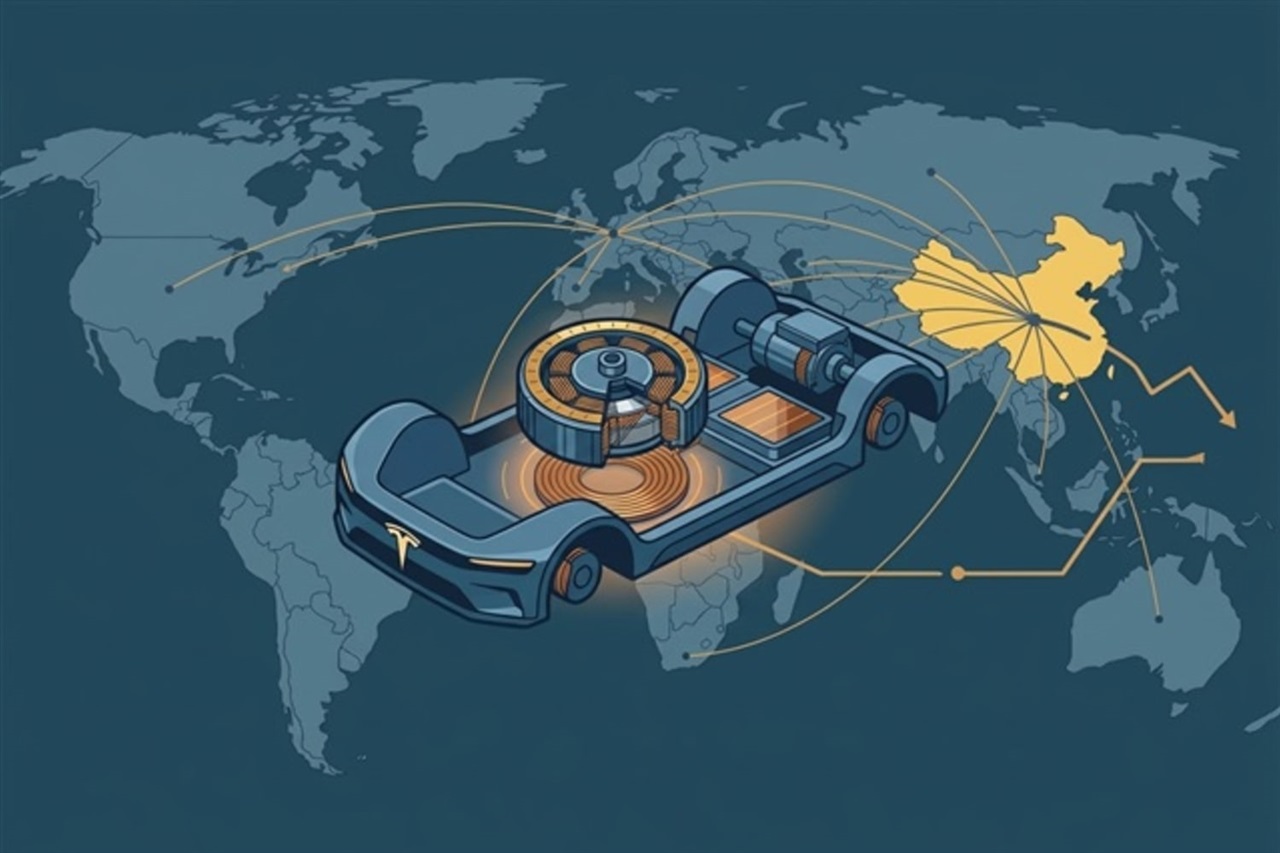
One of the most interesting parts of the Cybercab story is its potential use of rare-earth-free motor technology. Rare earth materials have long been important in electric vehicle motors, but global supply chains remain heavily concentrated in specific regions. By moving away from rare earth dependency, Tesla could reduce supply risks, cut production complexity, and strengthen its long-term EV manufacturing strategy.
This shift may also have a wider impact on the electric vehicle industry. If Tesla proves that high-performance EVs can be built without relying heavily on rare earth magnets, other automakers may follow. That could accelerate innovation in motor design and help create a more resilient supply chain for future electric cars.
The Cybercab also arrives at a time when autonomous driving is under intense scrutiny. Fully driverless vehicles promise convenience and efficiency, but they must prove they can safely handle real traffic, unpredictable road conditions, and complex city environments. Tesla’s deployment of the Cybercab will therefore be watched closely, not only by EV enthusiasts but also by regulators, investors, and competitors.
For Tesla, the Cybercab is more than a vehicle. It is a test of confidence in its software, hardware, battery systems, and manufacturing scale. The project brings together several of the company’s biggest goals: full electrification, autonomous driving, lower-cost mobility, and reduced dependence on traditional automotive supply chains.
If the Cybercab succeeds, it could become a defining product in the next era of electric transportation. It has the potential to change how people think about car ownership, public mobility, and the role of AI-powered vehicles in everyday life.
Tesla’s rare-earth-free Cybercab may still face major technical and regulatory challenges, but its significance is already clear. It is a bold experiment that could influence the future of autonomous EVs and help redefine the global electric vehicle market.