In 2024, Tesla experienced a shift in its vehicle production landscape, marking the first dip since 2020. The company reported a 4% decrease in production, with the most notable impact coming from a 5% reduction in the outputs of the popular Model Y and Model 3. Despite these challenges, the production of Tesla’s other models surged by 33%, helping to partially cushion the overall production decline. The total number of vehicles produced for the year stood at 1.77 million, down from the previous year’s total of 1.84 million.
Deliveries mirrored this trend with a slight decline of 1%, where Models Y and 3 saw a 2% decrease. Yet, Tesla demonstrated resilience as delivery numbers for other models rose by a commendable 24%, although their influence was not as significant as those of the core models Y and 3.
Financially, Tesla’s reports were a mixed bag. While automotive revenues fell by 6%, the overall revenue still managed to notch up a 1% increase. This was largely thanks to strides in its energy generation and storage sector, along with other services that bridged the revenue gap left by declining vehicle sales.
Tesla attributed part of its revenue challenges to reduced selling prices across its S, 3, X, and Y models, particularly affecting fourth-quarter earnings. Furthermore, heightened operating expenses stemming from investments in AI and R&D projects clipped the company’s profitability margins.
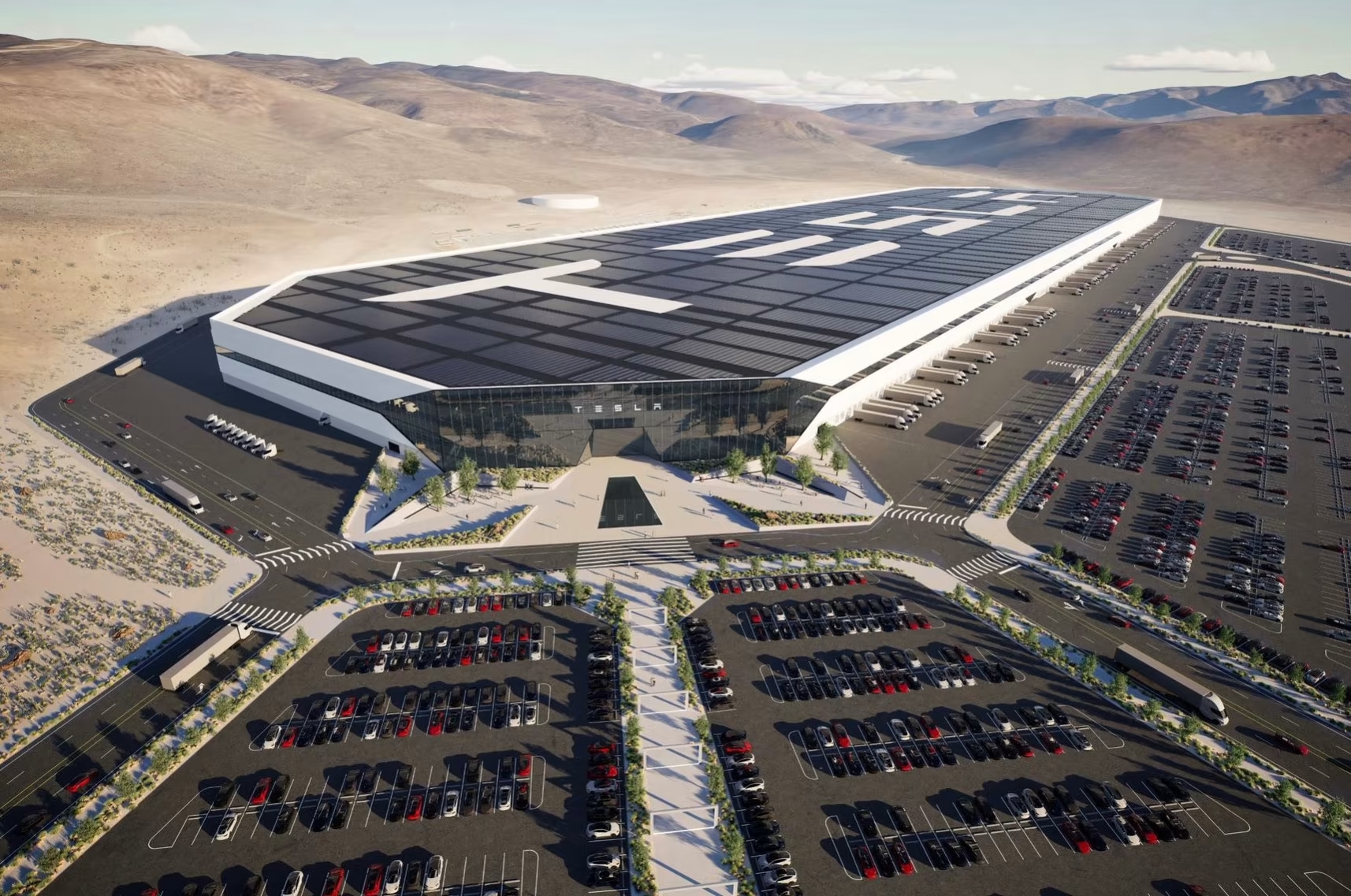
On the horizon, Tesla is laying strong foundations to expand its production capabilities. In the United States, the company is moving forward with semi-factory projects aimed at ramping up truck production by late 2025. Tesla is also poised to unveil new, more affordable vehicle models, expanding its market reach.
In a strategic pivot towards energy solutions, Tesla has also initiated production at its Shanghai megafactory. This facility, in development since May 2024, is set to produce around 10,000 units of the Megapack—a massive commercial energy storage battery capable of storing over 3.9 megawatt-hours (MWh) of energy, reflecting the company’s increasing focus on sustainable energy storage solutions.
As Tesla navigates these changes, its commitment to innovation and sustainability seems poised to keep the company on a growth trajectory in the coming years.