Tesla is quietly rolling out a serious connectivity upgrade: new Model Y units, and other fresh builds leaving the factory, are now shipping with a 5G cellular modem. The move dramatically boosts in-car data speeds and cuts latency, setting the stage for smoother streaming, faster map and software downloads, and more responsive connected features.
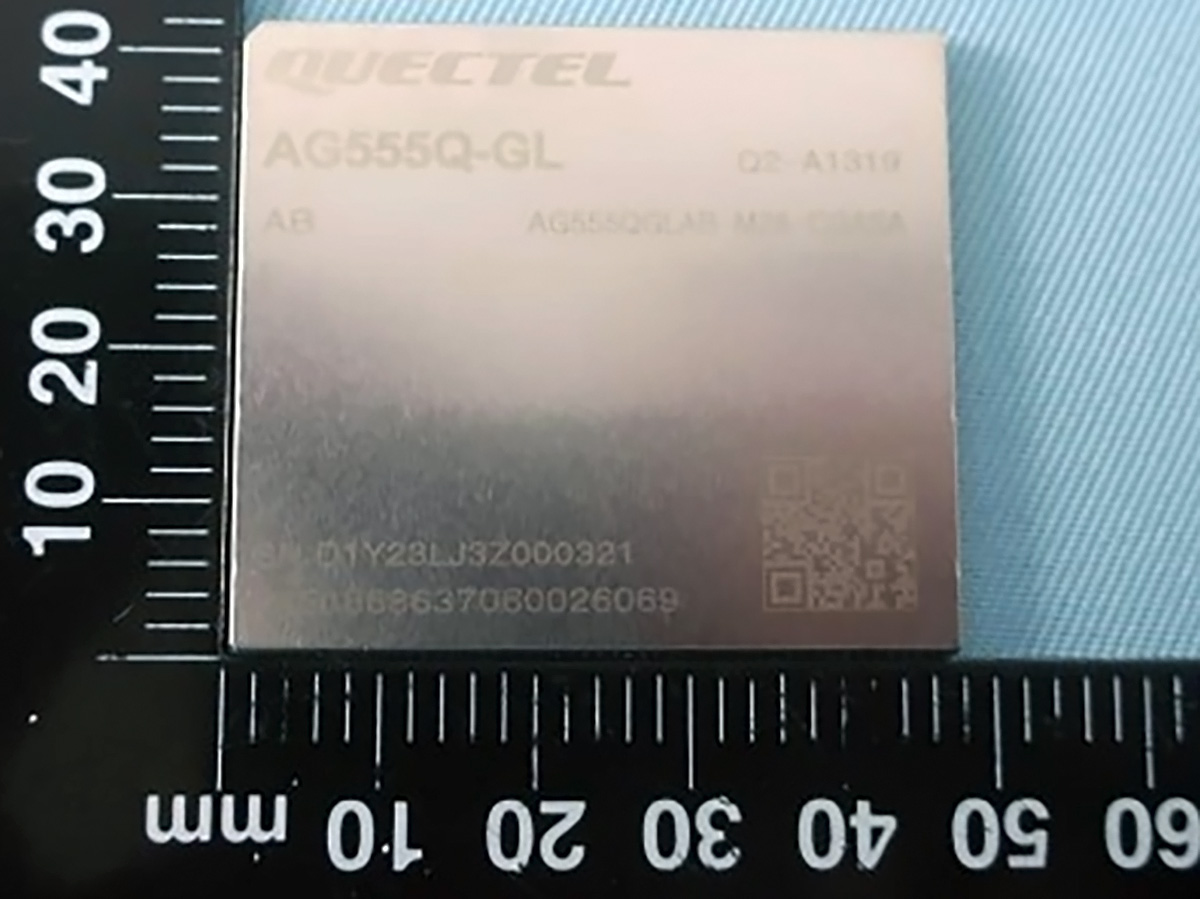
At the heart of the upgrade is the Quectel AG555QGL, an automotive-grade 5G modem approved by the FCC for use in Tesla vehicles. On 5G NR networks from carriers such as T-Mobile, it supports up to 2.4 Gbps down and 550 Mbps up. Even when it falls back to LTE Advanced, it can deliver up to 1.6 Gbps down and 200 Mbps up. That’s a huge leap over the 4G LTE hardware many Teslas currently use, which tops out around 100 Mbps in ideal conditions.
The AG555QGL is built for the road, operating reliably from -40°C to +85°C, so harsh winters and scorching summers won’t slow it down. It’s also now listed in Tesla’s parts catalog under “TELEMATICS CONTROL UNIT TCU – GEN II,” signaling a formal shift to a new connectivity platform.
This change matters because Tesla splits features between Standard and Premium Connectivity. Standard covers essentials like in-car navigation, while Premium offers extras—music and video streaming, live traffic, in-car browser, and live Sentry Mode and Dog Mode camera views—for $9.99 per month or $99 annually. Some higher-end models, such as certain refreshed 2026 Model S and Model X units in inventory, include Premium at no extra cost. Until now, though, Premium Connectivity ran on 4G LTE in most cars, which meant premium features were often limited by bandwidth and latency. Owners eager for faster service have even turned to third-party 5G travel modems via USB-C to work around the bottleneck.
With native 5G, Premium features finally get the network they deserve. Expect snappier Grok AI assistant responses, smoother live camera feeds, faster map and software downloads, and generally more reliable data-heavy services.
One big question remains: retrofits. Tesla previously allowed upgrades from 3G to 4G through its service centers, but it’s not yet clear if owners of older vehicles will be able to swap in the new 5G-capable TCU. If Tesla doesn’t offer a retrofit path, the lineup could become fragmented by connectivity speed—5G for newer builds, 4G LTE for older ones.
Key takeaways:
– New Model Y and other latest builds are shipping with a 5G modem
– Quectel AG555QGL supports up to 2.4 Gbps down and 550 Mbps up on 5G NR
– LTE Advanced fallback still reaches up to 1.6 Gbps down and 200 Mbps up
– Vast improvement over prior 4G LTE hardware that topped out around 100 Mbps
– Operates reliably from -40°C to +85°C, suitable for extreme climates
– Listed as TELEMATICS CONTROL UNIT TCU – GEN II in Tesla’s parts catalog
– 5G will enhance Premium Connectivity features including Grok AI and live camera views
– Retrofit availability for older vehicles remains unclear
Bottom line: Tesla’s shift to 5G brings real-world benefits that owners will feel every day, from ultrafast updates to lag-free streaming and sharper live views. If you’re shopping for a new Tesla—or waiting on delivery—this is a quiet upgrade with a big impact. Existing owners should keep an eye out for any official retrofit options.