Tesla is adjusting the memory specifications of its upcoming AI5 and AI6 chips as the company works to secure enough components for large-scale Optimus robot production. CEO Elon Musk confirmed the change, pointing to the ongoing global memory supply shortage as the main reason behind the decision.
According to Musk, the memory cuts are significant, but they are not expected to reduce the real-world performance of Tesla’s humanoid robot. The company appears to be prioritizing production efficiency and supply stability as it prepares Optimus for broader manufacturing.
The move highlights how intense demand for advanced memory has become across the technology industry, especially as artificial intelligence, robotics, data centers, and next-generation computing platforms compete for the same high-performance components. For Tesla, securing a reliable memory supply is now a key part of scaling its AI hardware and robotics ambitions.
AI5 and AI6 are expected to play an important role in Tesla’s future technology roadmap. These chips are being developed to support advanced AI workloads, including autonomous driving systems and robotics applications. By lowering memory requirements, Tesla may be able to reduce supply risks while keeping Optimus production on track.
Musk’s statement suggests Tesla believes its chip architecture and software optimization can compensate for the reduced memory specifications. This would allow the company to maintain performance while using less memory per chip, an important advantage during a period of tight supply and rising component demand.
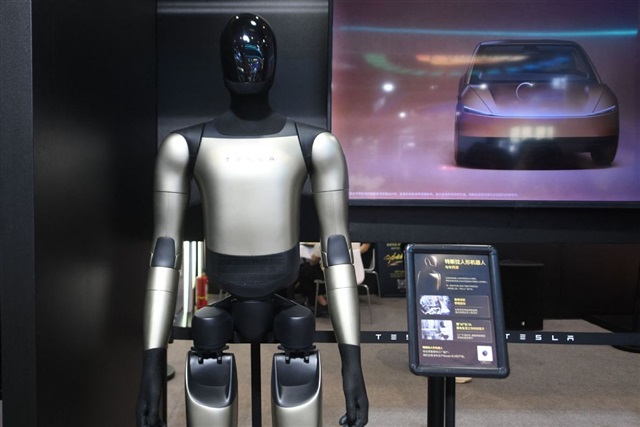
Optimus remains one of Tesla’s most ambitious projects. The humanoid robot is being designed to perform repetitive, physically demanding, or labor-intensive tasks in factories and eventually in other environments. Mass production is a major milestone for the program, and Tesla’s latest hardware decisions show the company is actively preparing for that next phase.
While some may see memory reductions as a compromise, Tesla is framing the decision as a practical step to protect Optimus production volumes. If the company can deliver strong performance despite the downgrade, it could strengthen confidence in Tesla’s AI hardware strategy and its ability to scale robotics manufacturing under challenging supply conditions.
For now, the key message from Musk is clear: Tesla is cutting AI5 and AI6 memory specifications to navigate the memory shortage, but the company does not expect the change to hold back Optimus performance.