In the ever-evolving automotive industry, the debate over the true cost-effectiveness of electric vehicles (EVs) continues to heat up. While EVs promise cheaper manufacturing and maintenance, recent findings suggest that their advantages might be counterbalanced by hefty repair and insurance costs.
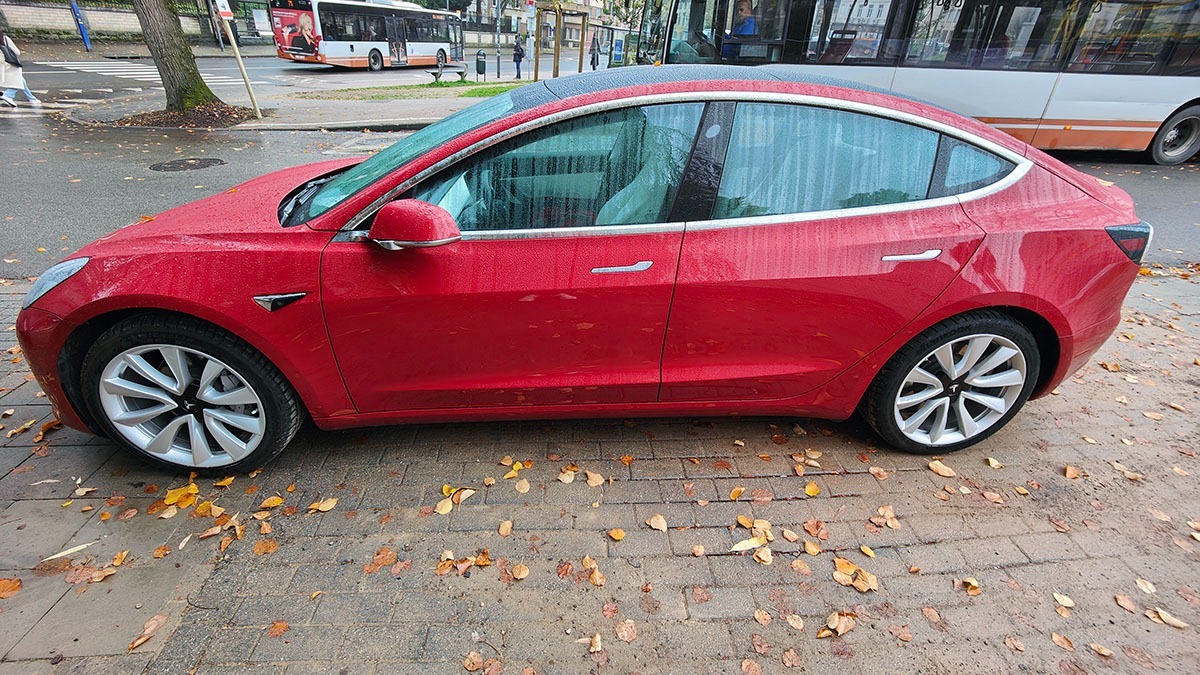
A prominent example is the Tesla Model 3, which has been revealed as the most economical car to own among the top-selling mass-market vehicles in the U.S. Surprisingly, despite its leading position, it only saves its owner a modest $43 annually compared to its closest competitor, the gas-powered Hyundai Elantra. Following closely, the Toyota Corolla ranks third, with ownership costs that aren’t far behind those of the Model 3.
So, what diminishes these savings? For the Tesla Model 3, the offset comes from high premiums, fees, and taxes. Insuring a Model 3 costs an average of $2,241 annually, significantly higher than the $1,511 insuring a Corolla costs. Moreover, Model 3 owners face about $1,041 in fees and taxes—double what Hyundai drivers commonly pay.
The Tesla Model Y follows a similar trend. Although its charging costs are a mere $708, and maintenance hits around $1,339, its insurance rates soar to $2,399, making it one of the priciest cars to insure, just after the Tesla Model S.
The daunting insurance costs of Tesla vehicles stem from various factors. The scarcity of parts and complex repair needs, especially with the gigacast sections and the pricey battery replacements, often lead insurers to total a Tesla after a major accident rather than repair it. This issue became painfully evident for Hertz, which initially acquired 100,000 Model 3s but later flooded the resale market due to price drops, repair delays, and soaring insurance costs.
Moreover, the rising financial demands aren’t solely based on insurance. Several states are now increasing road taxes on electric vehicles, citing their heavier weight and the consequent wear and tear they impose on public infrastructure, further driving up EV ownership expenses.
Despite these challenges, the Tesla Model 3 and Model Y maintain a crucial advantage over their internal combustion engine counterparts: significantly lower annual fuel and maintenance expenses. As the conversation around EVs evolves, these factors will continue to play a pivotal role in shaping consumer preferences and market trends.