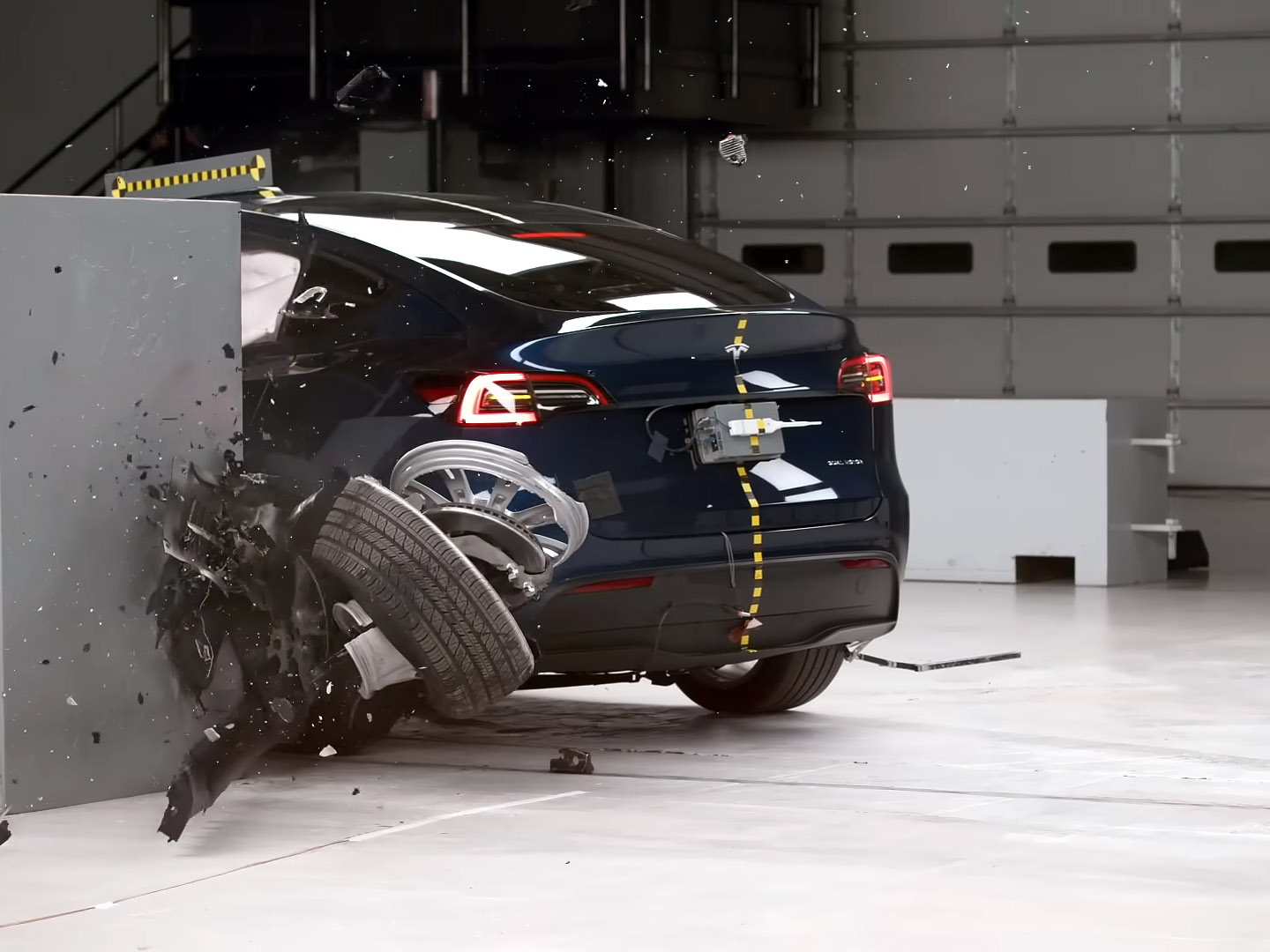
Gigacasting was supposed to make crash repairs harder and push premiums higher. A new long-term look at real insurance claims tells a different story for the Tesla Model Y.
Researchers working with major insurers analyzed Model Y collisions and repair bills over two years and found that the SUV’s one-piece cast rear section is actually cheaper to fix than the conventional multi-panel structures used in many cars. In fact, repairing the Model Y’s gigacast rear came in nearly $3,000 lower than comparable damage on a multi-panel Model 3, with similar cost advantages observed against popular gasoline models and other EVs such as the Mercedes EQE and Hyundai Ioniq 5.
This is a surprising twist given the backdrop. Many owners have paid noticeably higher premiums for the Model Y—up to 40% more than the segment average. Insurers have often been quicker to write off electric vehicles due to expensive, slow repairs, especially if there’s any risk to the battery pack or structural components. Even large fleets have pointed to repair costs and depreciation when reconsidering their EV strategies.
When Tesla began using large, single-piece castings for body structures, critics warned that repairs would be more complex and pricier. In response, Tesla rethought how those parts could be serviced, and researchers set out to measure whether those changes made a difference. The new data suggests they did.
One of the biggest wins is a set of replaceable cast rear rail assemblies that cost about $40 each. Instead of reshaping damaged aluminum, technicians can section the area and install new pieces using bolts and adhesives. As Thatcham’s Billyeald explained, the process becomes largely mechanical, which makes it faster, more consistent, and easier to manage after low-speed, real-world bumps common in city driving.
The repair-cost advantage extends to more serious incidents, too. For higher-speed impacts that require extensive work, Tesla supplies the entire rear gigacast to service centers at cost, trimming roughly $700 from each relevant claim. That approach helps contain expenses and reduces the likelihood that the vehicle will be totaled for economic reasons alone.
There are still practical constraints. If a repair requires welding on the cast section, the job must go to a Tesla-authorized facility. The size of the casting can also be a challenge for smaller body shops, potentially adding wait time if a vehicle needs to be transported. Even so, the overall repairability is improved thanks to design choices aimed at service from the outset.
Engineers highlighted details like welds that can be drilled out and replaced with bolts and rivets during reassembly. Compared with traditional multi-panel structures, this strategy reduces the amount of delicate metalwork required and simplifies returning a vehicle to its pre-accident condition. It’s a quiet but important shift: designing EVs for repair as much as for manufacturing efficiency.
What does this mean for owners and insurers? If real-world repair bills keep trending lower for common crash scenarios—especially low-speed rear impacts—claims costs should ease. That could, over time, relieve some pressure on premiums for the Model Y. Insurance pricing depends on more than bodywork, of course; parts availability, labor rates, safety tech calibration, and any battery-related damage still matter. But the notion that gigacasting automatically makes repairs unaffordable doesn’t hold up to the latest evidence.
The takeaway is clear. Thoughtful engineering has turned a manufacturing innovation into a repair win. For the Model Y, the one-piece cast rear isn’t a liability—it’s a cost reducer. As more vehicles adopt repair-friendly designs and as shops gain experience with these components, EV owners may finally see the insurance conversation shift from fear of the unknown to facts from the field.