Tesla Model 3 and Model Y Finally Get Powershare Home Backup, but There Are Big Limits
Tesla is expanding its Powershare Home Backup feature to the Model 3 and Model Y, giving more owners the ability to use their electric vehicle as a backup power source during outages. The feature allows the car’s battery to help keep a home powered when the grid goes down, turning the vehicle into something similar to a large mobile home battery.
This is a major step for Tesla’s two most popular vehicles. Until now, Powershare Home Backup was mainly associated with the Cybertruck, while rivals such as the Ford F-150 Lightning have offered home backup capability for years. With this rollout, the Model 3 and Model Y are finally joining the bidirectional charging conversation in a more meaningful way.
However, the new feature comes with several important restrictions that buyers and current owners should understand before getting too excited.
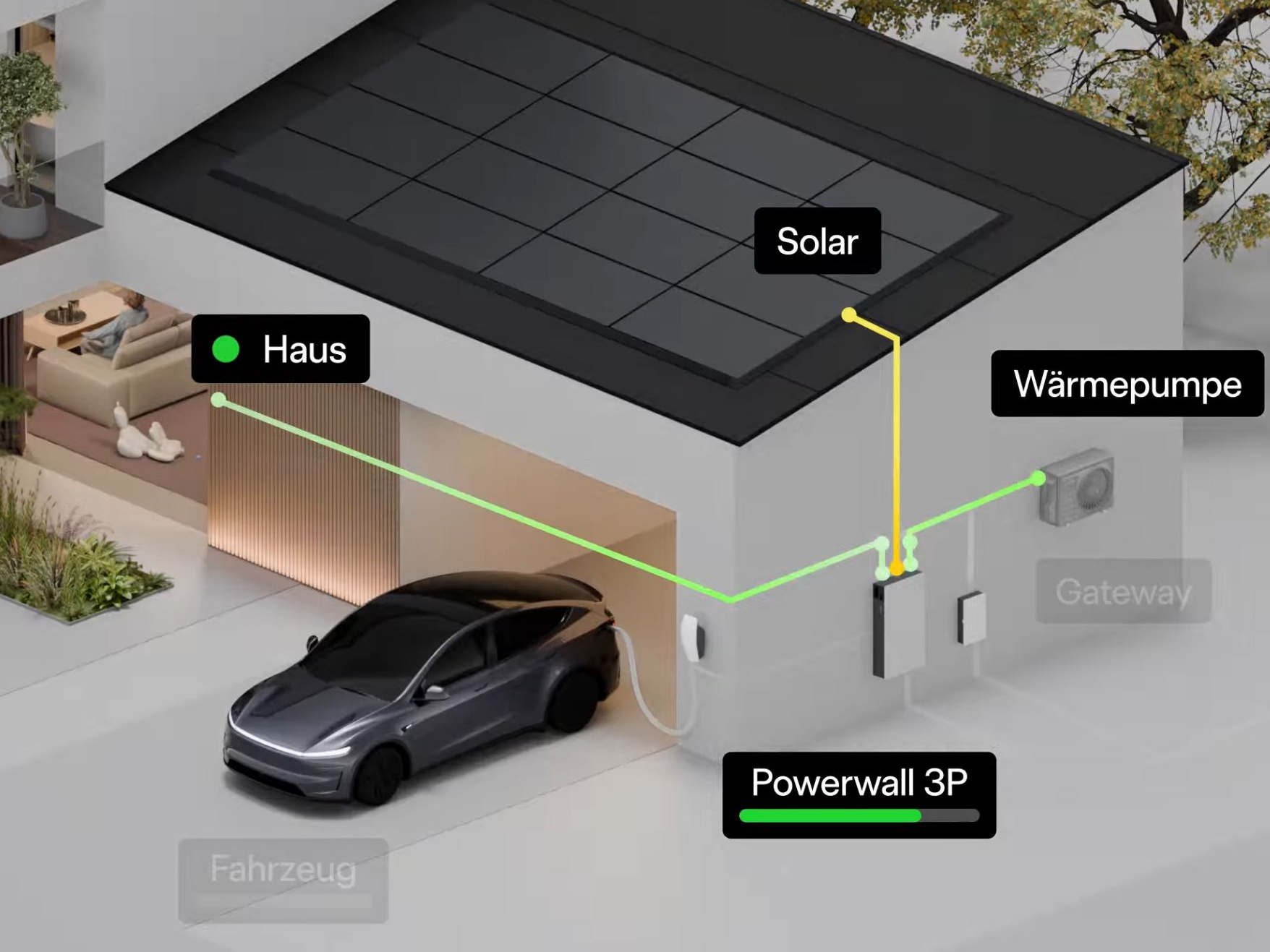
To use Powershare Home Backup with the Tesla Model 3 or Model Y, owners need a Tesla Powerwall 3 installed at home. The system also requires a Wall Connector or Universal Wall Connector. At launch, Powerwall 2 and Powerwall+ are not supported, although support for older Powerwall systems may arrive later.
In simple terms, the setup allows a compatible Model 3 or Model Y to work as an additional battery for the home. During a blackout, the vehicle can help provide power alongside the Powerwall 3, potentially keeping lights, appliances, internet equipment, and other essential systems running for longer.
The feature is especially useful for homeowners in areas with frequent outages, storms, unstable grid conditions, or high demand on local electricity networks. A fully charged EV battery holds far more energy than many traditional home backup systems, making it a valuable emergency power source.
Still, this is not full vehicle-to-grid functionality. Tesla’s current system supports vehicle-to-home use, often called V2H, but it does not allow the Model 3 or Model Y to send electricity back to the public grid. That means owners cannot use the car to sell power back to the utility company or earn money during peak demand periods.
For now, the vehicle acts more like a large backup battery connected to the home, not as a grid-support tool.
Another major limitation is vehicle compatibility. Tesla says Powershare Home Backup is guaranteed only for new Model 3 and Model Y vehicles ordered on or after October 1, 2026. Some older vehicles may have the required hardware, but many already-delivered cars may not be able to use the feature.
Owners who want to check compatibility can look inside the vehicle’s software menu. Under “Software” and then “Additional Vehicle Information,” the car should list “Powershare Support” if the necessary hardware is present.
Availability is also limited by region. At the moment, Tesla Powershare Home Backup for the Model 3 and Model Y is supported only in the United States and Puerto Rico. European markets, including Germany, are not included in the initial rollout.
That means many Tesla owners around the world will have to wait before they can use their Model 3 or Model Y as a home backup power source.
The arrival of Powershare Home Backup on the Tesla Model 3 and Model Y is a welcome upgrade, especially as more drivers look for ways to get extra value from their EV battery. The idea of using an electric car to power a house during an outage is practical, appealing, and increasingly important as home energy systems become smarter.
Even so, the current rollout is narrower than many owners may have hoped. It requires Powerwall 3, does not support grid export, is limited to certain new vehicles, and is only available in select regions for now.
For new Tesla buyers in supported locations, this could be a strong reason to consider the latest Model 3 or Model Y, especially when paired with a Powerwall 3. For existing owners, the benefits will depend heavily on whether their vehicle has the right hardware and whether Tesla expands support in the future.