Tesla has posted its fourth-quarter delivery results, and the numbers came in slightly below what Wall Street was expecting. The automaker delivered 418,227 vehicles in Q4, missing the analyst consensus estimate of 422,850. While that gap may look modest at first glance, the more telling detail is that Tesla produced more than 16,000 additional vehicles than it actually delivered. That imbalance means extra inventory is now sitting unsold, putting pressure on the company to rely on incentives and discounts to move those cars in the first quarter of 2026.
The softer Tesla deliveries didn’t come out of nowhere. Q4 was the first full quarter after the federal EV tax credit expired, and that $7,500 incentive had been a major motivator for many shoppers considering high-volume models like the Model Y and Model 3. Without that government support helping reduce purchase prices, demand was always likely to cool, especially in a market where many buyers have become more price-sensitive.
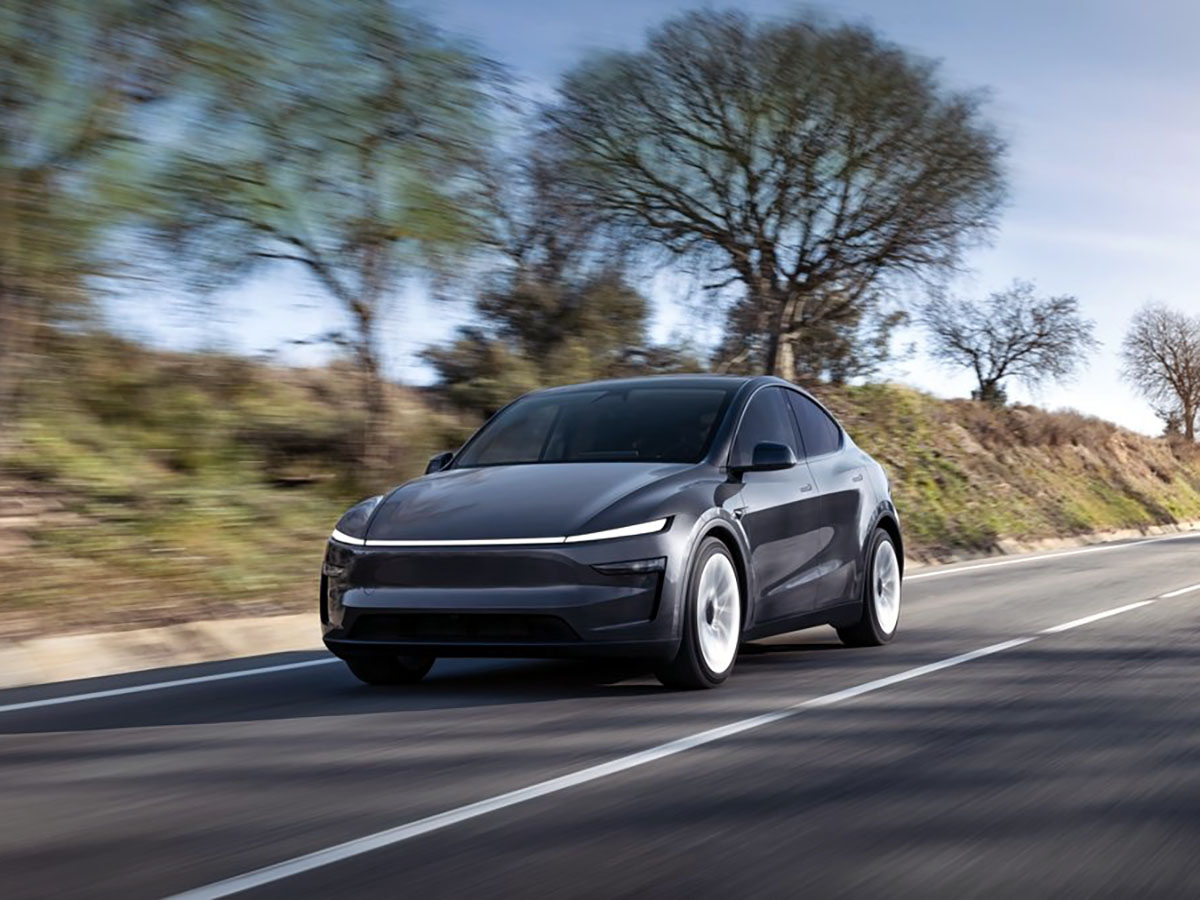
Even with a less exciting Q4 report, Elon Musk continues to argue that the Tesla Model Y remains the world’s bestselling car. That statement was widely considered accurate for 2023, when EV demand was stronger and Model Y sales were surging. Tesla also made a similar claim for 2024, pointing to early comparisons where the Model Y appeared slightly ahead of the Toyota RAV4. Later reporting, however, indicated that Toyota’s SUV ultimately took the top spot, showing how close—and how contentious—global “bestselling” rankings can be once full-year data is finalized.
Applying that same “world’s bestselling car” label to the Model Y in 2025 is far less clear. Deliveries have faced headwinds, including broader EV market sluggishness and the impact of Musk’s high-profile political activity, which has become an ongoing factor in public perception of the brand. With year-on-year momentum no longer as strong as it was during the Model Y’s peak period, Musk’s claim may be based on internal tracking or partial market data that isn’t yet available publicly. It’s also early in the year, and global sales rankings typically depend on a wide range of production and registration data that takes time to compile.
What adds to the skepticism is that Tesla leaned hard into promotions during Q4 to stimulate demand. The company rolled out 0% APR financing and included free upgrades on certain options—moves designed to boost conversions and clear inventory. Despite those aggressive incentives, Tesla still came in under delivery expectations, suggesting that the post-tax-credit environment and cooling demand may be weighing more heavily than discounts alone can fix.
For now, Tesla’s Q4 delivery miss highlights a challenging transition period: less federal support, more pricing pressure, and growing reliance on incentives to keep volume moving. As for whether the Model Y truly remains the world’s top-selling car in 2025, that’s a claim best evaluated once more complete third-party global sales data becomes available. Until then, it’s a confident prediction—but one that remains open to debate.