Federal EV Tax Credit Could Return With a Bigger $15,000 Incentive Under New House Bill
The federal electric vehicle tax credit may be gone for now, but a new proposal in Congress aims to bring it back in a much bigger way. Rep. Greg Landsman of Ohio has introduced the 21st Century Vehicle Choice Act, a bill that would double the previous EV incentive for eligible buyers and make the credit permanent.
Under the proposal, the federal tax credit for a new electric vehicle would rise from $7,500 to as much as $15,000. The used EV tax credit would also double, increasing from $4,000 to $8,000. Supporters argue that stronger electric vehicle incentives could help more Americans move away from high gasoline costs while making EV ownership more affordable.
The push comes after the previous federal EV incentives ended under a Republican-backed tax and spending law. Since then, demand for electric vehicles in the United States has slowed. Automakers have tried to keep buyers interested with lower-priced models and trim levels, but the loss of the federal credit has made affordability a bigger challenge for many shoppers.
The proposed $15,000 EV tax credit would not automatically apply to every electric car. The incentive would be split into two parts, with each half worth $7,500. To qualify for the full amount, a vehicle would need to meet specific battery and critical mineral sourcing requirements. Because those rules can be difficult for many models to satisfy, the number of vehicles eligible for the full credit could be limited.
The bill would also introduce income limits for buyers. Married couples filing jointly would need to earn no more than $225,000 to qualify. Heads of household would be capped at $169,000, while single filers would be limited to $112,500. Another important restriction is that buyers who already claimed a federal EV tax credit in a previous year would reportedly not be eligible for the new incentive.
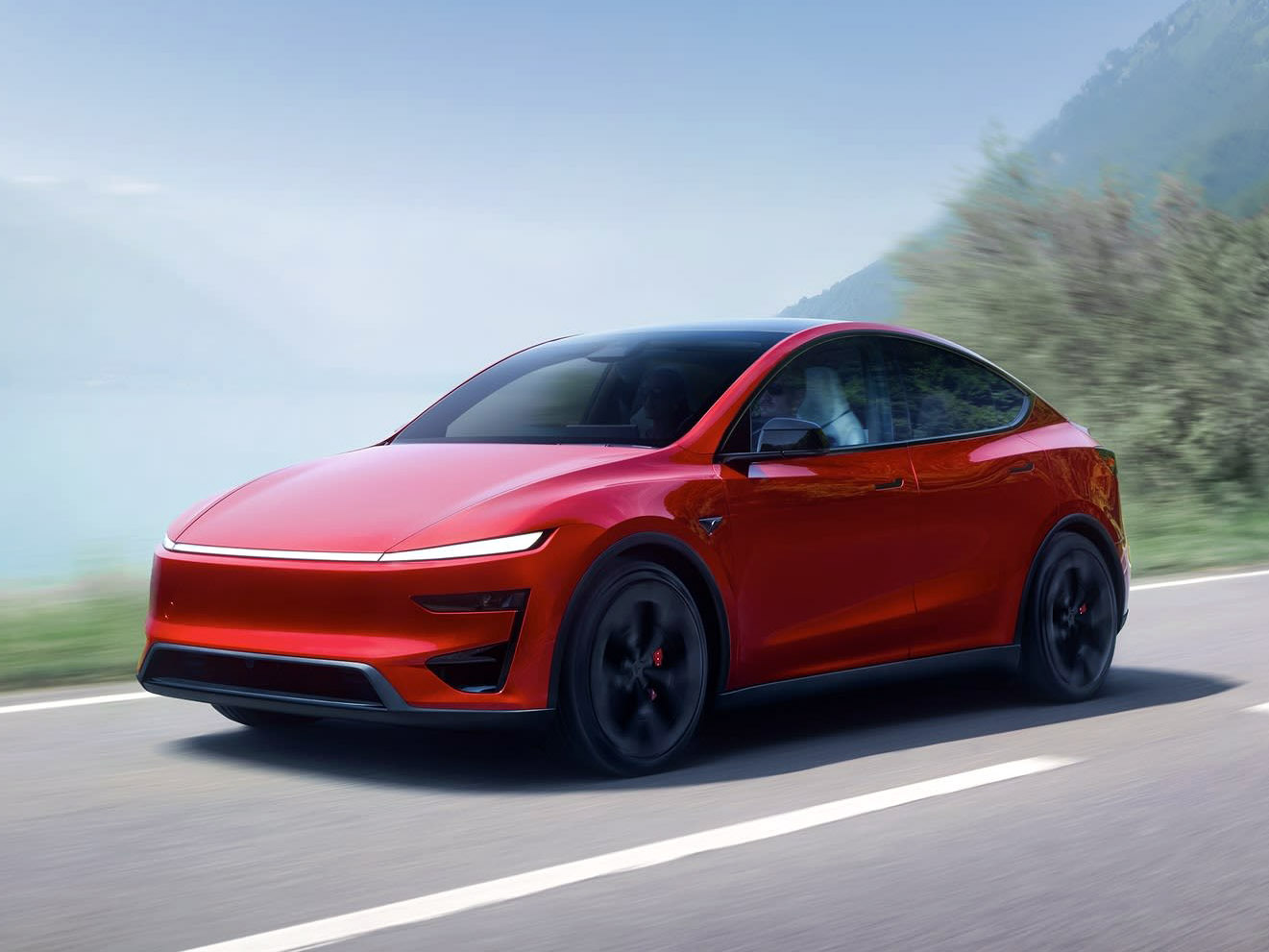
Tesla could be one of the biggest beneficiaries if a larger federal EV tax credit returns. The company sells more electric vehicles in the United States than any other automaker, and popular models such as the Model 3 and Model Y fall into the price range where a larger credit could significantly influence purchasing decisions. A bigger used EV credit could also help support the growing market for pre-owned Tesla vehicles, making secondhand electric cars more attractive to budget-conscious buyers.
This is not the only effort in Congress to revive EV incentives. More than 160 House Democrats have supported a separate proposal that would restore the previous $7,500 federal EV tax credit and extend it through 2032. That version would bring back the original incentive structure rather than doubling the amount.
For now, both proposals remain in committee, and House Democratic leaders have not settled on a single electric vehicle tax credit strategy. The larger $15,000 plan currently faces an uncertain path, especially without broad support across party lines.
Even if Democrats gain more power in Congress after the midterm elections, any EV tax credit legislation would likely still need approval from the president before becoming law. That means buyers should not count on the incentive returning immediately.
Still, the new proposal gives electric vehicle shoppers a reason to watch Washington closely. Whether the federal EV tax credit comes back at $7,500 or expands to $15,000, a renewed incentive could play a major role in boosting EV adoption, lowering upfront costs, and helping more drivers make the switch from gasoline-powered cars to electric vehicles.