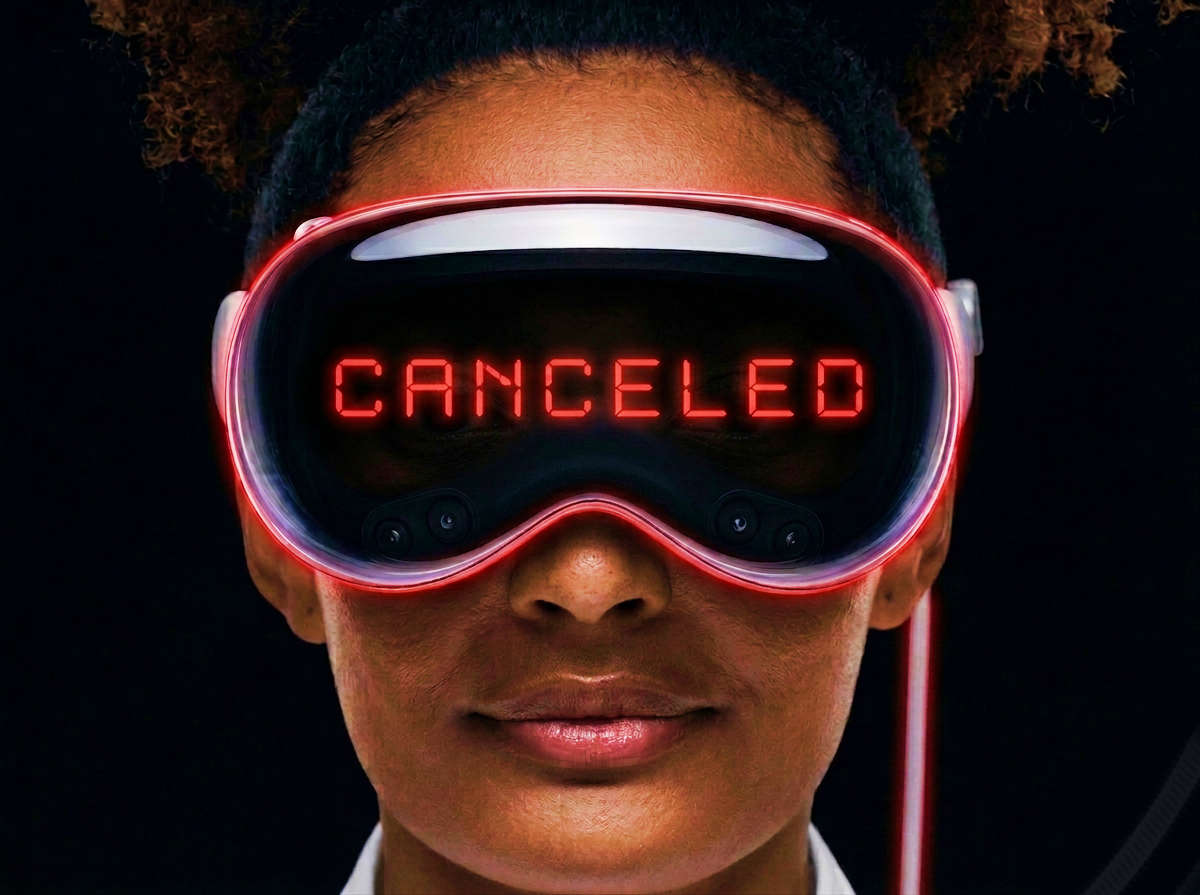
Apple’s big bet on the Vision Pro may already be winding down. Despite a late-2025 refresh that added the faster M5 chip and a more comfortable Dual Knit Band, the mixed reality headset reportedly never solved the two problems that mattered most to everyday buyers: the steep $3,499 price and the hefty 1.3-pound weight.
The result, according to the information shared in the post, is underwhelming performance for what was positioned as Apple’s next major platform. Lifetime Vision Pro sales are said to be sitting at around 600,000 units, and the headset is also rumored to have an unusually high return rate compared to other Apple products. In simple terms, many people either didn’t buy in—or bought in and changed their minds after living with it.
Now, the bigger shift: Apple is reportedly scaling back, or even stopping, active development of the Vision Pro line and redistributing the team across other parts of the company. This follows the earlier cancellation of a lower-cost “Vision Air” concept, suggesting Apple may have decided the headset form factor isn’t the fastest route to mainstream adoption—at least not at Vision Pro pricing.
Leadership changes add fuel to the idea of a strategic pivot. Vision Pro lead Mike Rockwell is said to be moving to oversee Siri, while the company’s longer-term wearable focus is rumored to be moving toward AI-focused smart glasses. The post also notes that incoming CEO John Ternus may not have been as enthusiastic about Vision Pro as Tim Cook, favoring products with broader mass-market appeal—consistent with a track record tied to consumer hits like the MacBook, iPad, and AirPods.
What would Apple’s smart glasses look like? The expectation, based on the post, is a more practical, more affordable wearable aimed at everyday use—closer to the AI-centric glasses already popularized by competitors. Instead of a full mixed reality computer strapped to your face, the new direction is rumored to prioritize hands-free AI features without an integrated display, which could help cut costs and improve comfort.
Even with this reported pullback, the Vision Pro isn’t officially “dead.” The headset is still on sale, and Apple hasn’t publicly confirmed any cancellation. For now, the situation remains based on leaked reporting and industry chatter, so it’s worth treating the claims with healthy skepticism.
What’s clear is that the broader XR and smart glasses race isn’t slowing down. Competitors continue to invest heavily, and Apple’s rumored pivot toward AI smart glasses signals a major recalibration in how it plans to compete in wearables—shifting from premium, niche mixed reality to something more accessible that could reach far more people.