AI Server Racks Are Pushing Data Center Cooling Into a New Era
The rapid rise of artificial intelligence is changing the way data centers are designed, and cooling technology is quickly becoming one of the most important parts of the AI infrastructure race.
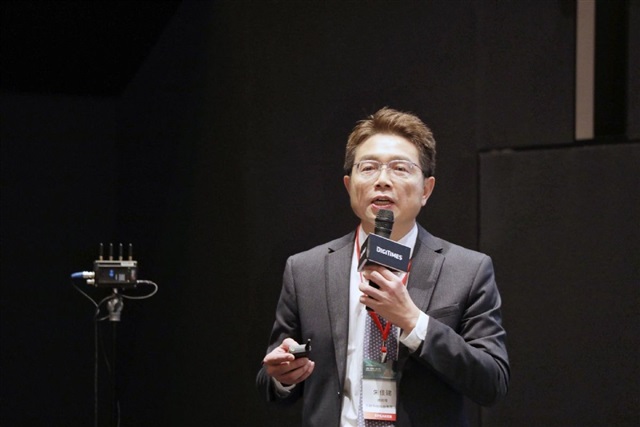
META Green Cooling Technology president Dr. Clyde Chu has highlighted just how fast cooling demands are increasing as next-generation AI chips become more powerful. According to Chu, Nvidia’s upcoming chip roadmap suggests that cooling requirements could double in less than a year, a major shift that is forcing data center operators, server makers, and cooling specialists to rethink traditional approaches.
One of the key products expected to drive this transition is Nvidia’s NVL72 rack based on the Vera Rubin architecture, which is anticipated in the second half of 2026. As AI computing systems pack more GPUs into dense server racks, they generate far more heat than conventional air-cooling systems can efficiently manage. This is creating strong demand for advanced liquid cooling solutions that can support higher thermal loads while helping data centers control power consumption.
The AI boom has made server density a central challenge. Modern AI workloads require enormous computing power for training and inference, and companies are increasingly deploying high-performance racks filled with power-hungry accelerators. While this delivers better performance, it also creates heat at levels that older cooling designs were never built to handle.
Liquid cooling is now becoming a practical necessity rather than a premium option. Compared with traditional air cooling, liquid cooling can move heat away from chips and server components more efficiently. This allows data centers to support next-generation AI hardware while improving energy efficiency, reducing overheating risks, and maintaining more stable performance.
Chu’s comments also reflect a broader industry trend: cooling is no longer just a support system in data centers. It is becoming a critical factor in whether companies can deploy the latest AI servers at scale. As chipmakers continue increasing performance, cooling providers will play a larger role in the future of AI infrastructure.
The expected arrival of Nvidia’s Vera Rubin-based NVL72 rack in 2026 could mark another turning point. If cooling needs continue to rise at the current pace, data centers may need to adopt more advanced thermal management systems much faster than previously expected. This could benefit companies focused on direct-to-chip liquid cooling, immersion cooling, coolant distribution units, and other high-efficiency cooling technologies.
For cloud providers, AI companies, and enterprise data centers, the message is clear: the next generation of AI hardware will require more than just more power. It will demand smarter, more efficient, and more scalable cooling systems.
As artificial intelligence continues to expand across industries, the future of AI data centers will depend not only on faster chips, but also on the ability to keep those chips cool.