TCL, one of the world’s biggest TV brands, has been told by a German court to stop advertising certain televisions as “QLED” after judges found the claim could mislead shoppers about what they’re actually getting.
The decision comes after Samsung Electronics filed a lawsuit in Germany arguing that TCL’s QLED marketing overstates the real use of quantum dot technology in specific models. The Munich I District Court agreed, ruling that advertising tied to TCL’s QLED870 series and other affected TVs violates Germany’s Unfair Competition Prevention Act. As a result, TCL must immediately halt the targeted advertising campaigns and cannot market those models as QLED in Germany under the terms of the injunction.
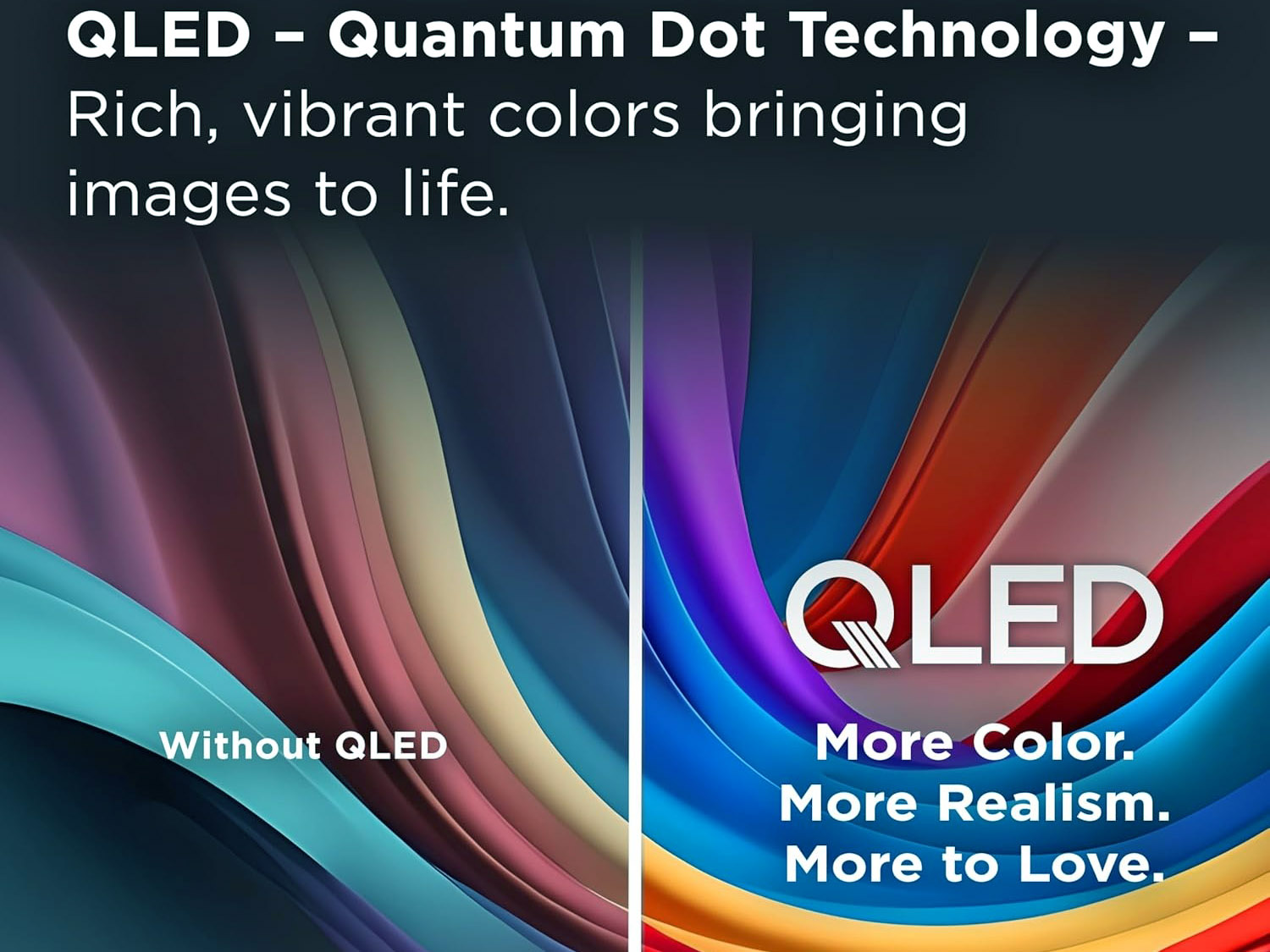
At the center of the case is what “QLED” is supposed to mean to consumers. Under commonly cited technical definitions, QLED televisions use a dedicated quantum dot layer (often described as a film positioned between the backlight and the LCD panel) designed to enhance color performance. In this case, the court found that TCL’s implementation didn’t match that expectation. The ruling notes that TCL applied only a minimal amount of quantum dots to a diffuser rather than using a configuration that would deliver the kind of measurable improvements in brightness and color reproduction that buyers typically associate with QLED branding. Because the real-world benefit wasn’t there in a meaningful way, the court viewed the “QLED” claim as an unfair commercial practice.
This isn’t the first time TCL has faced branding trouble in the region. The company previously lost a separate dispute involving its “NXT FRAME” naming, which was found to conflict with Samsung’s “Frame” trademark. Now, with the new German ruling, TCL’s ability to promote and sell certain TVs under the QLED label in that market is effectively blocked.
The pressure isn’t limited to Europe, either. TCL is also facing class-action lawsuits in California and New York related to similar QLED marketing claims. Another major TV maker, Hisense, is dealing with litigation in the United States as well over how its own QLED televisions are promoted.
For shoppers, the case highlights a growing issue in the TV industry: premium-sounding labels can imply specific hardware features and performance gains, but not every product using the label delivers those benefits in a way that matches consumer expectations. In Germany, at least for the models named in the case, the court has now ruled that TCL’s QLED advertising crosses that line.


