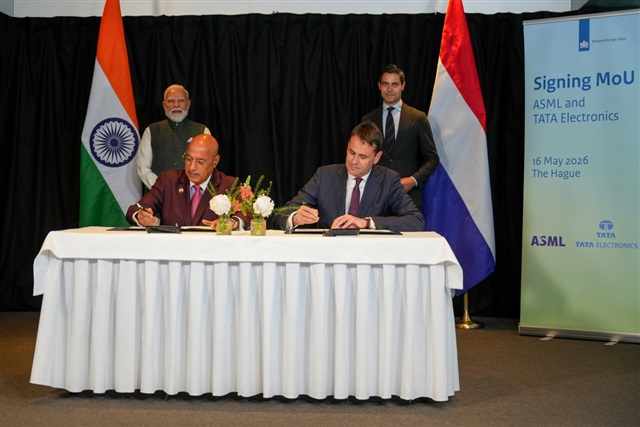
Tata Electronics has put a major spotlight on its semiconductor ambitions at Semicon India 2026, announcing that it has signed 16 memoranda of understanding as part of a wider push to strengthen its supplier network. The figure is significant, especially as India continues to position itself as a serious player in global chip manufacturing and electronics supply chains.
However, the full picture is not yet completely clear. While Tata Electronics has highlighted the total of 16 MoUs, only five of those agreements have been publicly documented through the company’s own announcements so far. That means much of the reported total currently appears to depend on broader event-related listings rather than detailed disclosures from the company itself.
The development still signals an important step for Tata Electronics as it works to build a deeper and more reliable supplier ecosystem. In the semiconductor industry, supplier partnerships are critical. Chip manufacturing requires a complex network of materials providers, equipment partners, component suppliers, logistics support, and technology collaborators. By pursuing multiple agreements at a major industry event, Tata Electronics is clearly aiming to accelerate its role in India’s growing semiconductor sector.
Semicon India 2026 has become a key platform for companies looking to showcase investment plans, announce partnerships, and align with India’s chip-making ambitions. For Tata Electronics, the supplier-recruitment effort comes at a time when the country is trying to reduce dependence on overseas electronics manufacturing and create a stronger domestic semiconductor value chain.
Still, the gap between the headline number and the number of confirmed public announcements is likely to draw attention from industry watchers. MoUs are often early-stage agreements that outline cooperation between companies, but they do not always guarantee final contracts, production commitments, or immediate commercial activity. More details will be needed to understand the scale, purpose, and potential impact of the remaining agreements.
For now, the message is clear: Tata Electronics wants to be seen as a major force in India’s semiconductor future. The company’s reported 16 MoUs at Semicon India 2026 point to aggressive supplier outreach, even if only a portion of those partnerships has been fully detailed so far.
As India’s chip industry expands, transparency around such agreements will become increasingly important. Investors, suppliers, policymakers, and technology companies will be watching closely to see which partnerships move beyond announcements and become active contributors to the country’s semiconductor manufacturing ecosystem.


