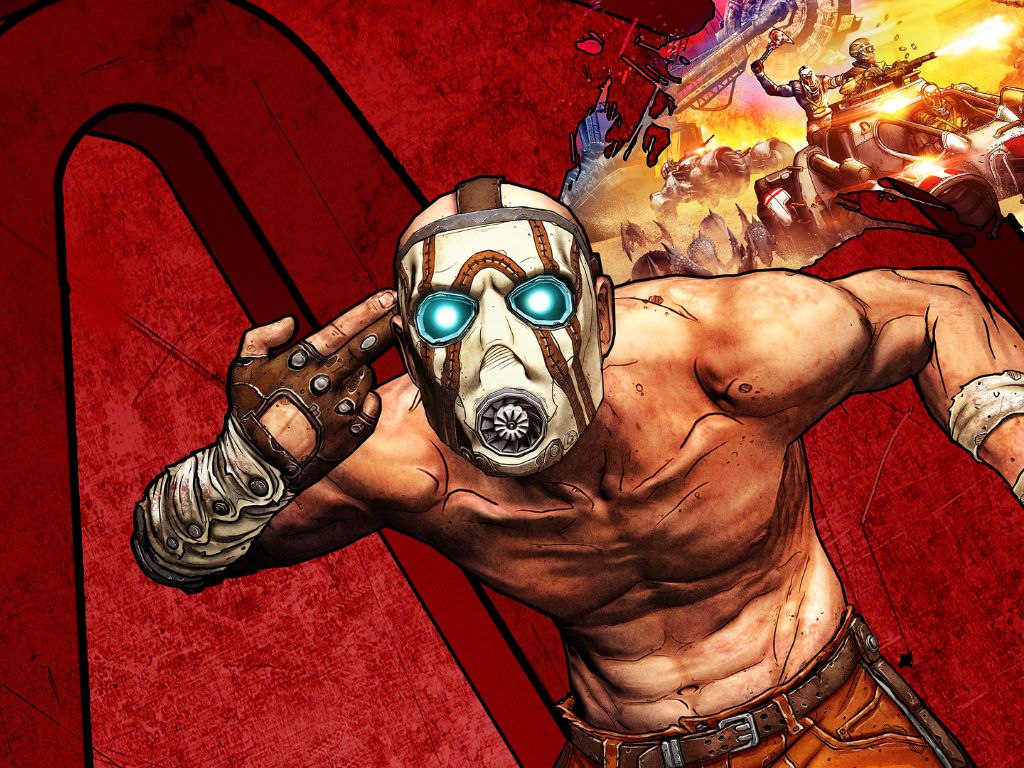
Take-Two Took a $50 Million Gamble to Save Borderlands’ Art Style
Borderlands is now instantly recognizable for its bold cel-shaded visuals, comic book energy, exaggerated characters, and chaotic post-apocalyptic world. But the series almost looked completely different.
In the late 2000s, the original Borderlands was nearly finished and only a couple of months away from release. At that stage, Gearbox Software had built the game with a much darker, grittier, and more realistic look, similar to many Xbox 360-era shooters. The tone leaned heavily into muddy wastelands, harsh realism, and the familiar brown-and-gray style that dominated action games at the time.
Then Gearbox took a hard look at what it had created and realized something important: the game did not stand out enough.
Rather than ship a completed product that felt too similar to other shooters, the studio made a bold and extremely risky request. Gearbox wanted to overhaul Borderlands with a completely different visual identity, replacing the realistic presentation with a colorful cel-shaded comic book style.
That decision would become one of the most important turning points in the franchise’s history.
Take-Two Interactive CEO Strauss Zelnick recently reflected on the moment when Gearbox approached him near the end of development. According to Zelnick, the team admitted that the original art direction was not working and that the game did not feel distinct enough. They wanted to remake the project with a new look.
For most publishers, that would have been an easy “no.” The game was almost finished, marketing plans were likely already moving, and delaying the release would mean spending a massive amount of additional money. But Zelnick decided to investigate the situation carefully before making a final decision.
After reviewing the project and understanding Gearbox’s concerns, he backed the studio.
The cost of that decision was huge. Take-Two committed around $50 million in additional funding and delayed Borderlands by more than a year. It was a massive bet, especially at a time when the company did not have endless cash reserves.
Zelnick later described the choice as highly unusual, saying that many others in the industry would have simply released the game as it was and moved on. From a business perspective, spending tens of millions of dollars to change the art style of a nearly finished game sounded reckless.
But in this case, the gamble worked.
Borderlands returned with its now-famous cel-shaded look, mixing comic book outlines, exaggerated weapons, wild humor, and a more vibrant wasteland setting. That visual overhaul helped separate the game from other shooters of the era and gave it a personality that players immediately remembered.
The change did more than improve the first game. It created the identity of the entire Borderlands franchise.
Without that late-stage redesign, Borderlands may have struggled to break through in a crowded market full of realistic shooters. Instead, it became one of gaming’s most recognizable looter-shooter series, known for its chaotic gunplay, offbeat humor, distinctive art direction, and larger-than-life world.
The story also highlights how important visual identity can be in game development. Borderlands was not saved by simply adding more content or polishing existing features. It was transformed because Gearbox and Take-Two recognized that the game needed to feel different at first glance.
Today, it is difficult to imagine Borderlands without its comic-inspired style. The thick outlines, vivid colors, and graphic novel presentation are now central to the franchise’s appeal. What once looked like an expensive risk became the creative choice that helped define one of modern gaming’s most recognizable series.
With Borderlands 4 on the way, the franchise’s signature art direction remains a key part of its legacy. And it all traces back to one high-stakes decision: delay the game, spend the money, and rebuild its visual identity before it was too late.


