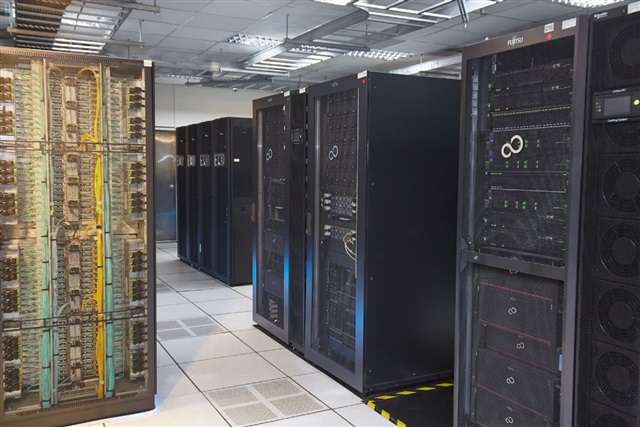
Taiwan’s power grid strain is colliding with the global AI boom, and it’s reshaping the heavy electrical industry almost overnight. As organizations race to deploy AI at scale, data centers are expanding fast, server racks are getting denser, and power requirements are surging in step. The International Energy Agency projects that worldwide electricity use by data centers could double by 2026, underscoring how quickly demand is accelerating.
Nowhere is this shift more visible than in Taiwan. As a hub for advanced computing and high-tech manufacturing, the island is experiencing a rapid influx of AI-focused facilities that require massive, steady power. High-performance GPU clusters, advanced cooling systems, and 24/7 workloads are pushing traditional power and cooling designs to their limits. Operators are seeking sites near robust substations and fiber routes, amplifying pressure on already stretched infrastructure.
This surge is fueling a powerful tailwind for the heavy electrical sector. Demand is climbing for large power transformers, gas-insulated switchgear, medium- and high-voltage cables, bus ducts, uninterruptible power supplies, precision cooling, and backup generation. Engineering, procurement, and construction providers are seeing fuller pipelines, while equipment lead times lengthen as orders stack up. Grid interconnections, substation expansions, and dedicated feeders are becoming critical path items for new builds.
Utilities and developers are responding with accelerated investment. Priority projects include new substations, capacity upgrades, and reinforcement of transmission and distribution lines. Reactive power compensation and power quality improvements are moving up the agenda to stabilize voltage under heavy AI loads. To manage peaks and improve reliability, more projects are pairing data centers with battery energy storage, smart load management, and, in some cases, on-site generation or microgrids to bridge gaps while grid upgrades catch up.
Managing risk is essential. Tight reserve margins, congestion, and potential curtailments increase the importance of careful site selection and early grid coordination. Permitting, environmental reviews, and community impact assessments can add time to already complex projects. At the same time, global supply constraints and specialized labor needs are shaping construction timelines and costs.
Efficiency is becoming a strategic differentiator. Operators are accelerating adoption of liquid cooling, high-efficiency power supplies, and optimized power distribution to handle higher rack densities without runaway energy use. Workload scheduling and AI optimization help smooth demand, while renewable energy procurement and storage are increasingly used to align sustainability targets with round-the-clock compute needs.
The bottom line: Taiwan’s grid modernization efforts and the heavy electrical sector are set for sustained expansion as AI-driven computing scales up. Expect continued investment in transformers, switchgear, cables, substations, and advanced cooling, alongside smarter energy strategies to boost resilience and control costs. For data center builders, equipment suppliers, and grid operators, the next few years will be defined by speed, scalability, and reliability—key ingredients for keeping the AI era powered on.