Apple is taking its supply chain diversification to the next level by building a new base in Vietnam, teaming up with Chinese EV powerhouse BYD to produce a fresh wave of smart home devices. The move marks a strategic shift away from relying on China and India and positions Vietnam as a key hub for the company’s next generation of home-focused hardware.
According to reporting by Mark Gurman, Apple is expanding its smart home roadmap with multiple devices planned for Vietnam-based production. The lineup is said to include:
– A HomePod with a 7-inch display designed to act as a central hub for controlling smart home accessories and services.
– Indoor security cameras aimed at tighter integration with Apple’s home platform.
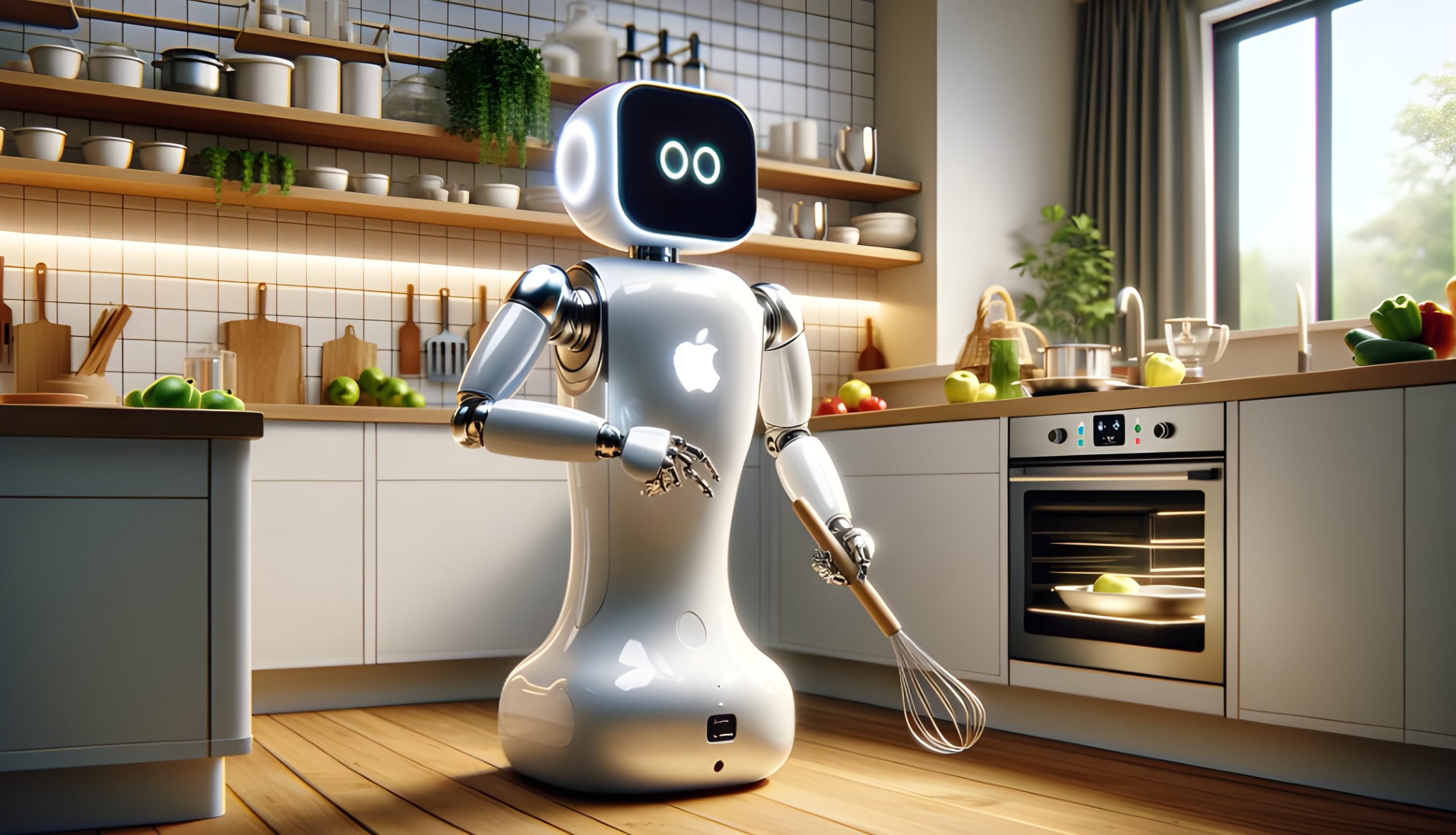
– A tabletop AI robot featuring a 9-inch screen and mobility enabled by multiple motors and sensors.
The display-equipped HomePod is expected to debut in 2026, while the tabletop robot is currently targeted for a 2027 launch. Together, these products suggest Apple is preparing to compete more aggressively in the connected home and personal robotics space, leaning on tighter integration with its ecosystem and on-device intelligence.
This manufacturing shift follows years of geopolitical turbulence that have complicated global tech supply chains. Earlier efforts saw Apple ramp up iPhone production in India to reduce exposure to China. When tariffs on imports from India were raised, Apple reportedly secured exemptions by committing substantial investment in the United States to help build a domestic, end-to-end silicon supply chain. More recently, rising tensions over rare earth exports and the threat of additional tariffs have added fresh urgency to Apple’s de-risking strategy.
Vietnam offers a compelling mix of manufacturing capacity, favorable trade positioning, and growing expertise in high-tech assembly. Partnering with BYD gives Apple a seasoned hardware collaborator with deep experience in large-scale production, potentially speeding up development cycles and improving resilience against future trade disruptions.
For consumers, the takeaway is clear: Apple’s smart home ambitions are expanding. A HomePod with a built-in screen could finally deliver a seamless, Siri-first control center for the home, while indoor cameras would bolster Apple’s privacy-focused home security push. The most intriguing addition is the tabletop AI robot—positioned as a mobile, sensor-rich device that could bring ambient intelligence and helpful autonomy to everyday life.
If timelines hold, 2026 and 2027 could be pivotal years for Apple’s home strategy. As production ramps in Vietnam, expect more frequent hardware iterations, tighter ecosystem integration, and a broader array of devices designed to make Apple the heart of the modern smart home.


