South Korea’s space industry just delivered another major win, and it’s sparking fresh urgency in Taiwan’s own rocket conversation.
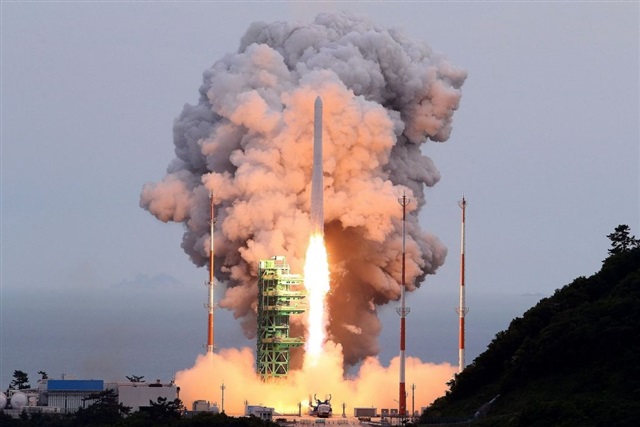
On November 17, South Korea’s privately led NURI rocket program, also known as KSLV-II, completed its fourth successful launch. The mission climbed to an altitude of 601.3 kilometers and successfully entered orbit, reinforcing South Korea’s growing reputation as a reliable player in orbital launch capability. Each additional success doesn’t just add another launch to the record—it signals maturity, consistency, and momentum in a field where repeat performance matters as much as a single breakthrough.
That kind of progress is now fueling debate in Taiwan about where it wants to be in the global space race. South Korea’s steady achievements with NURI are being viewed as a clear example of what long-term investment, engineering continuity, and private-sector leadership can produce. For Taiwan, it’s a reminder that space ambitions aren’t simply about prestige; orbital access has become increasingly tied to technology leadership, national resilience, advanced manufacturing, and the ability to support next-generation communications and Earth-observation capabilities.
Taiwan’s discussion is sharpening around a big question: should the island commit more decisively to developing an orbital rocket program of its own, and how quickly can that be done realistically? South Korea’s NURI success provides a nearby benchmark—showing that a highly developed, export-driven economy in the region can build and repeatedly launch an orbital-class rocket, moving from early milestones to dependable operations.
With South Korea demonstrating what consistent progress looks like—culminating in a fourth successful orbital launch—Taiwan’s space ambitions are no longer a distant “someday” topic. They’re becoming a practical, time-sensitive policy and industry debate about capabilities, investment, and whether Taiwan wants a future with independent access to orbit.