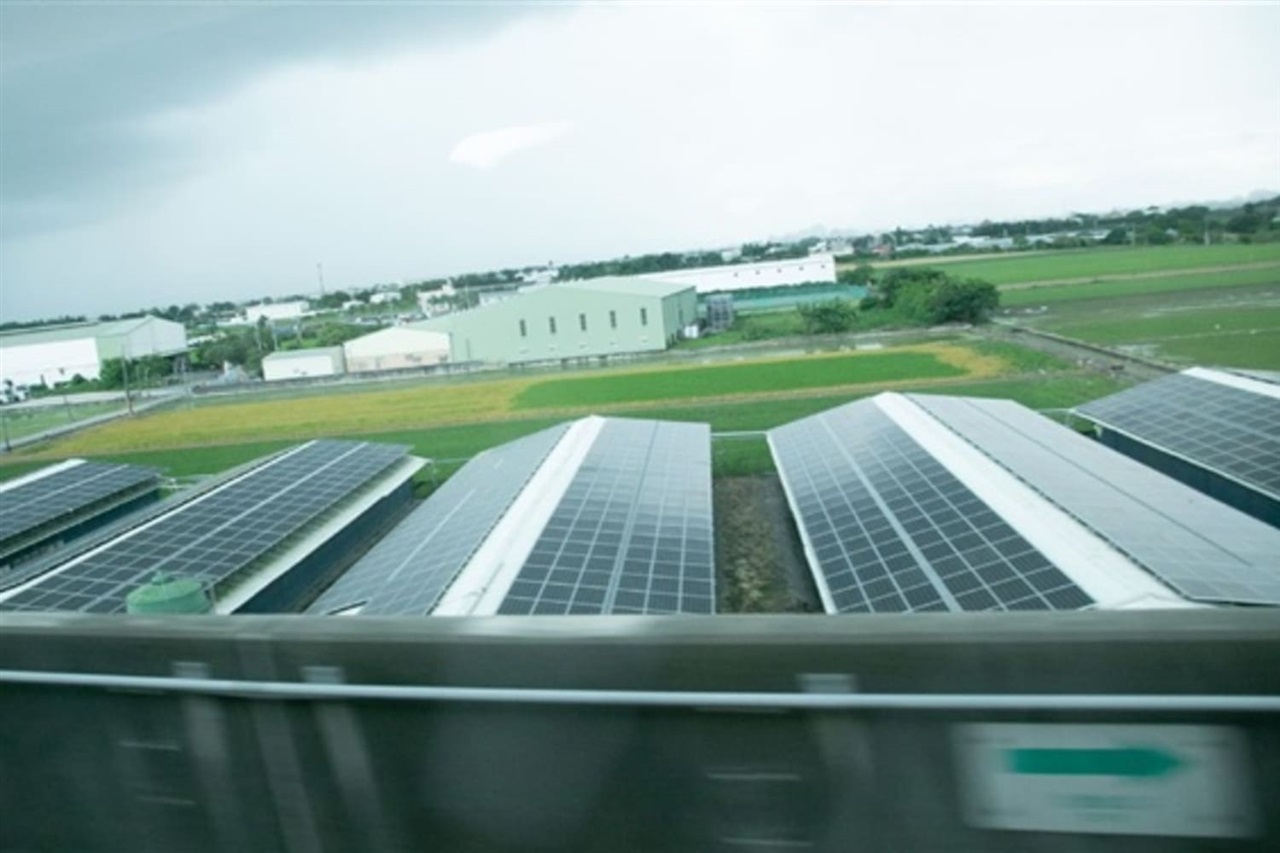
Taiwan is pushing to reshape its energy future, with a national target to generate 30% of its electricity from renewable sources by 2030. But while solar power is expected to play a major role in reaching that goal, the industry is running into growing resistance—both from regulators and from the public—raising concerns that progress could slow at a critical time.
In recent months, Taiwan’s solar sector has faced mounting heat as policymakers tighten rules and communities question where and how large-scale solar projects should be built. The debate has intensified following the Legislative Yuan’s passage of three legal amendments tied to energy and land-use oversight, changes that supporters say are meant to improve governance, but critics argue could add friction to renewable development.
These new political dynamics are arriving as Taiwan balances competing priorities: ensuring reliable electricity supply, keeping energy prices stable for households and industries, meeting climate and emissions expectations, and navigating public concerns about land use, environmental impact, and local transparency. Solar power, which depends heavily on available land and permitting pathways, is especially vulnerable to shifts in policy and sentiment.
At the same time, Taiwan’s broader energy conversation is also being pulled in another direction: the question of whether nuclear power should return to the mix. With renewable expansion facing roadblocks and energy security remaining a central issue, some voices are revisiting the idea of restarting nuclear capacity as a way to ensure stable baseload power while reducing reliance on fossil fuels.
For Taiwan, the stakes are high. Renewable energy growth is essential to hitting the 2030 target, and solar remains one of the fastest ways to add clean generation capacity. But if regulatory changes slow approvals or spark more local pushback, the timeline to scale solar could become harder to meet—potentially forcing the government and utilities to look more seriously at alternative solutions, including nuclear restarts or extended use of conventional power sources.
Ultimately, Taiwan’s energy path will likely depend on how quickly it can resolve the tension between ambitious renewable goals and the real-world constraints of land, permitting, and public acceptance. Whether the coming years bring smoother solar expansion, a nuclear comeback, or a more mixed strategy, one thing is clear: Taiwan’s decisions now will shape its energy security and climate trajectory for decades.