Nintendo’s latest system update for Switch and Switch 2 is getting plenty of applause, and for good reason. The headline addition is Boost Mode on Nintendo Switch 2, a feature designed to make playing Nintendo Switch games in handheld mode look noticeably better. In practice, Boost Mode runs certain Switch games as if they’re in Docked Mode, allowing output up to 1080p on the Switch 2’s display. For many players, it’s a simple switch that delivers a surprisingly big visual upgrade across a large part of the back catalog, without waiting for individual “Switch 2 Edition” releases or game-by-game performance patches.
There’s also a sensible limitation built into the system. If a Switch game already has a dedicated update that targets Switch 2, Boost Mode typically won’t apply. That’s a reasonable approach because a tailored patch is usually a better long-term solution than a one-size-fits-all override.
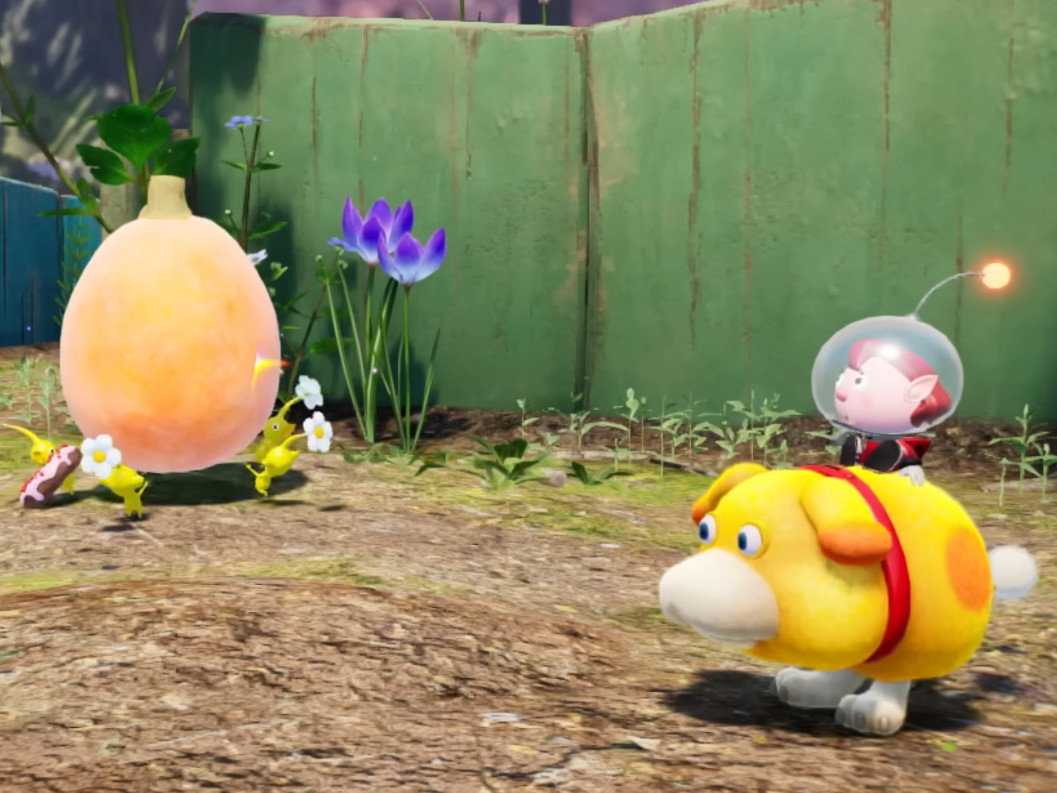
Where the excitement cools a bit is in the list of games that can’t use Boost Mode, and one omission stands out to a lot of fans: the Pikmin series. From the original Pikmin up through Pikmin 4, these games currently don’t support Switch 2’s Boost Mode, even though they seem like perfect candidates for enhanced handheld play. The core issue is how Boost Mode works. Because it forces a game into a simulated Docked configuration, any title that expects dock-specific behavior—or depends on inputs that don’t translate cleanly to that mode—can end up excluded.
That same limitation affects several other notable releases. Games and collections such as Super Mario 3D All-Stars, Super Mario Maker 2, The Legend of Zelda: Skyward Sword HD, The World Ends With You: Final Remix, and the Let’s Go Pokémon titles are also listed among those that don’t currently benefit from Boost Mode. For players hoping to revisit these favorites with sharper handheld visuals on Switch 2, it’s a disappointing surprise.
What makes the situation more confusing is that some games remain at least partly compatible. Titles like Okami HD, Ring Fit Adventure, and Rayman Legends: Definitive Edition still run, but there’s an important catch: specific modes that rely on touchscreen interaction or detached Joy-Con motion controls may not function while Boost Mode is active. In other words, a game might launch and play normally, but certain features can become unavailable depending on how that title handles touch or motion-based inputs.
Even with those drawbacks, the overall update is still a big win for backward compatibility on Switch 2. Manually patching the entire Switch library to take full advantage of new hardware would be a massive development effort, and Boost Mode is a shortcut that delivers real results for a huge number of games. For most players, the boost in handheld clarity is the kind of generational improvement you notice immediately.
That said, Boost Mode compatibility isn’t the only concern being discussed around this firmware release. Expandable storage issues have also been widely reported, adding another wrinkle for Switch 2 owners who rely on external storage to manage large game libraries.
For now, the update is a strong step toward making Switch games look better on Switch 2 in handheld mode, but it’s also a reminder that system-level enhancements can come with unexpected exclusions. If Nintendo expands Boost Mode support in future updates, the Pikmin series and other high-profile holdouts will be at the top of many players’ wish lists.


