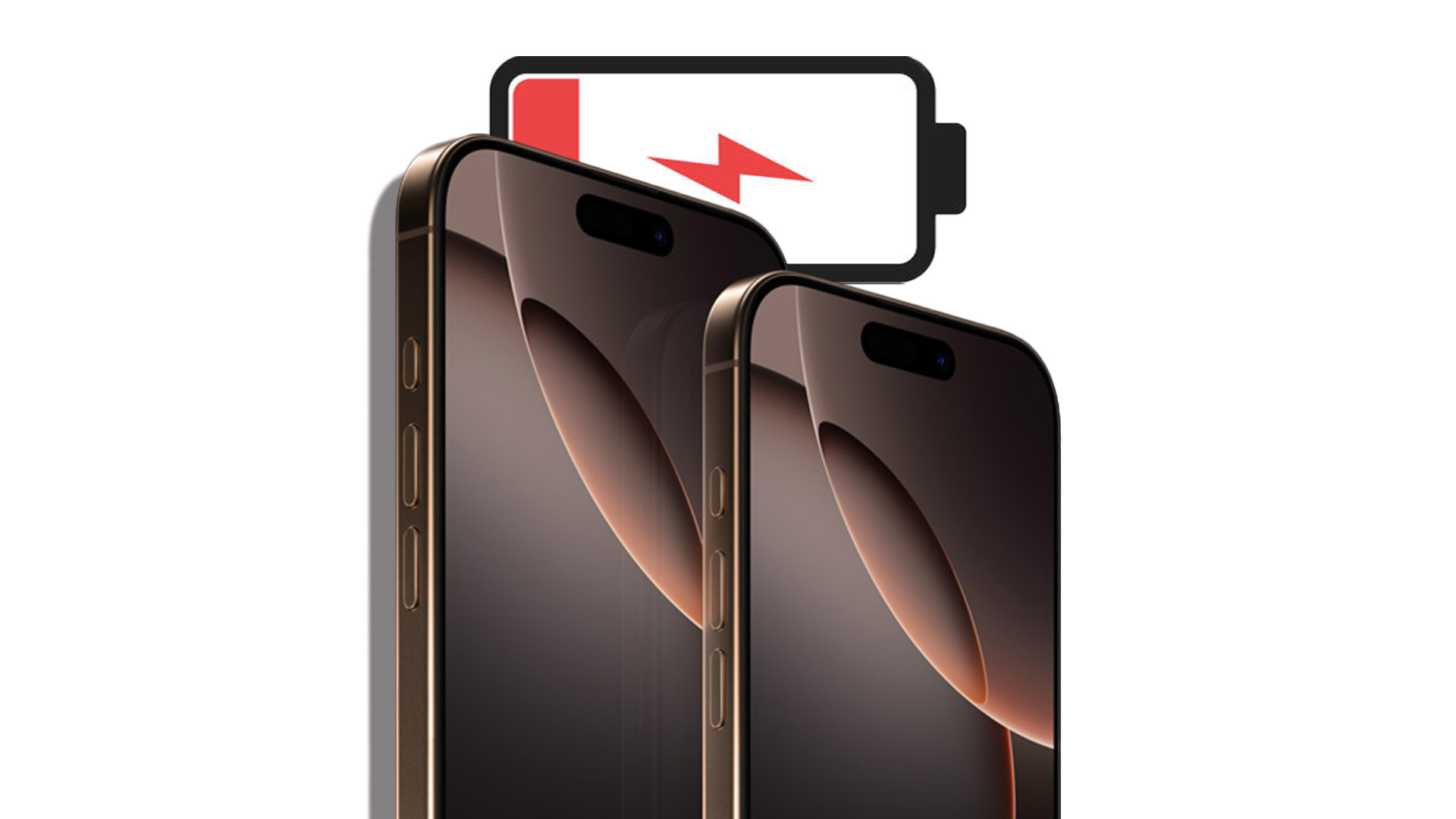
Do you ever feel a twinge of panic when your smartphone battery starts to dip below 50 percent and there’s no charger in sight? You’re not alone. In today’s digital age, where Android and iOS devices are essential to our daily routines, “battery anxiety” is a common phenomenon. A recent survey of 2,000 Americans sheds light on this pervasive concern, revealing that most people begin to worry when their battery percentage drops to a mere 38 percent.
Interestingly, the timing of this anxiety varies across generations. Gen Z, in particular, is quicker to react, reaching for their chargers when the battery falls to 44 percent. On the other end of the spectrum, a surprising number of people stay calm, even when the battery level drops significantly. About 34 percent of Americans wait until their device hits 20 percent before reaching for the charger, while the more daring 13 percent don’t start to panic until the battery is under 10 percent. Meanwhile, around 24 percent prefer to keep their devices comfortably topped up before it even reaches the 50 percent mark.
While some might see this charging behavior as excessive, it can actually contribute to better battery health, ultimately extending the lifespan of the device. The survey also reveals generational differences, with ‘boomers’ being the most laid-back, often waiting until their battery level dips to around 34 percent before worrying about recharging.
The decision to charge is also influenced by how the battery level is displayed. Nearly 39 percent of Americans rely on a visual bar to decide when to plug in, while 61 percent prefer to see the exact percentage.
This survey offers fascinating insights into our relationship with smartphones and how generational attitudes influence our charging habits. How do you manage your battery anxiety?