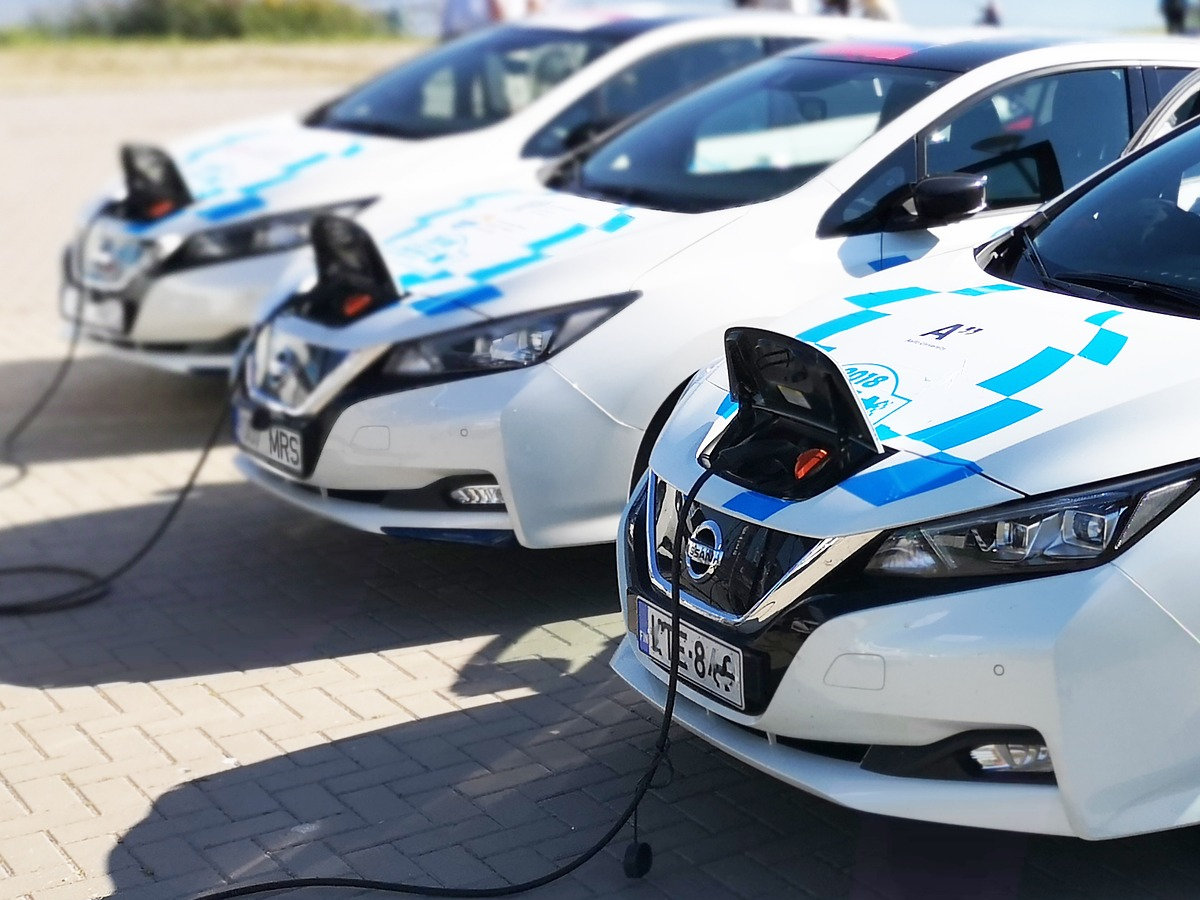
A fascinating new study from Stanford University has uncovered some surprising insights into lithium-ion battery longevity, with implications that could change how we approach electric vehicle (EV) battery design and usage. This comprehensive two-year research project meticulously analyzed 92 commercial lithium-ion batteries, akin to those powering today’s fleet of electric vehicles. What’s intriguing is the study’s conclusion: optimizing how these batteries are charged and discharged could extend their lifespan by a remarkable 40%.
During the study, researchers simulated a variety of charging and discharging profiles. Some batteries were put through rapid discharges at high power, while others were treated to a more relaxed and realistic cycle that mimics everyday driving conditions. The latter included typical driving actions such as accelerating quickly from a stop or experiencing low-energy drain during overnight parking or city driving with frequent stops.
The results were revelatory. It turns out that batteries handled real-world dynamic discharge conditions much better than the traditional constant charge cycles they were originally designed for. Contrary to prior assumptions, dynamic discharges resulted in less wear and tear on the battery cells. As a practical example, under real-world conditions, a dynamically discharged battery reached about 1,200 charge cycles before its capacity reduced to 85% — that’s a significant improvement over the 900 cycles of evenly discharged batteries.
What makes these findings particularly exciting is that they suggest improvements can be achieved without reinventing battery architecture. By simply adjusting usage habits and focusing on realistic discharge profiles, the lifespan of EV batteries could be effectively enhanced. With an estimated range of 250 km per charge, 1,200 cycles translate into an impressive total mileage of approximately 300,000 km for an electric vehicle — enough to make a significant difference in sustainability and cost-efficiency.
This research challenges current thinking and opens up a pathway towards EV battery advancement by aligning technical design closer to real-world usage patterns. The implications of such findings might not only reshape battery manufacturing standards but also encourage EV owners to adopt smarter driving habits, ultimately leading to better battery performance and longer-lasting vehicles. As the electric vehicle market grows, studies like these become pivotal in steering us towards more sustainable energy solutions.