Samsung Raises Advanced Chip Wafer Prices as AI Demand Heats Up
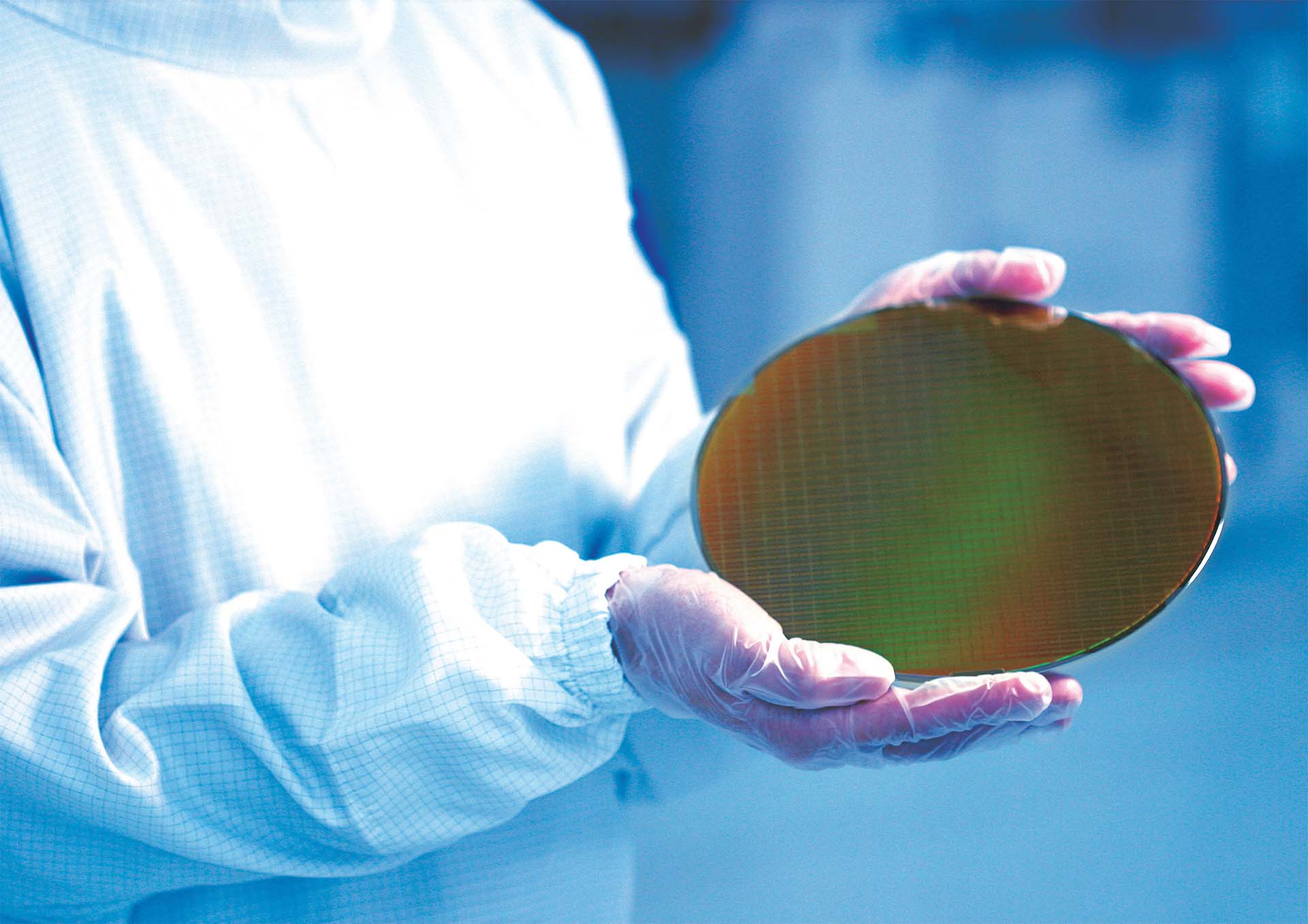
Samsung is reportedly taking advantage of surging demand for AI chips by increasing prices for wafers produced on some of its advanced manufacturing processes. According to a new industry report, the company has raised prices on new orders by as much as 15 percent, signaling stronger momentum for its foundry business after several difficult years.
The move comes as artificial intelligence companies race to secure enough high-performance chips for data centers, cloud computing, and next-generation AI systems. With demand outpacing supply across the semiconductor industry, major foundries are gaining more pricing power, especially for advanced nodes used in AI accelerators and high-end processors.
Chinese customers are expected to see the biggest price increases. The report claims that Samsung’s wafer prices for some Chinese clients have risen by 10 to 15 percent. This comes at a time when U.S. export restrictions continue to limit China’s access to the most advanced chipmaking equipment, particularly EUV lithography tools needed for leading-edge semiconductor production.
Samsung is also said to be prioritizing U.S. customers as demand for AI chips continues to climb. While American clients may receive earlier access to production capacity, they are not exempt from the price hikes. The report indicates that Samsung’s 4nm process, also known as SF4, is becoming 10 to 15 percent more expensive for U.S. and Chinese customers. Taiwanese customers may see a smaller increase of around 5 to 10 percent.
Price increases are not limited to Samsung’s 4nm technology. The company’s 5nm process, or SF5, has reportedly become 5 to 10 percent more expensive. Meanwhile, Samsung’s 8nm process is said to have received a 10 percent price increase.
Interestingly, the report does not mention pricing changes for Samsung’s 2nm technology. That node is expected to be one of the company’s most advanced and complex manufacturing processes, likely carrying a higher production cost due to the difficulty of mass manufacturing next-generation chips at such a small scale.
The latest price hikes suggest that Samsung’s foundry division may finally be entering a stronger phase. The business has faced heavy losses since 2022, while its biggest rival captured a large share of high-profile semiconductor customers. However, the rapid rise of AI hardware demand appears to be creating fresh opportunities for Samsung to win orders and improve profitability.
Samsung’s recent major agreement with Broadcom is another sign of growing confidence in its semiconductor roadmap. The reported deal, valued at around $200 billion, involves Samsung supplying 2nm chip technology and HBM4 memory. This could help position the company more strongly in the AI chip supply chain, where demand for both advanced logic chips and high-bandwidth memory is increasing quickly.
The broader market situation also works in Samsung’s favor. With leading chip manufacturers facing capacity constraints, AI companies are looking to diversify their supply chains. Relying on a single foundry can create delays, especially when demand for cutting-edge chips is extremely high. Samsung may benefit as more customers seek alternative production partners to secure stable chip shipments.
For the semiconductor industry, Samsung’s wafer price increase reflects a larger trend: AI is reshaping chip manufacturing economics. Advanced nodes, high-bandwidth memory, and packaging capacity are becoming more valuable as companies invest heavily in artificial intelligence infrastructure.
If demand remains strong, Samsung could continue to gain leverage in negotiations with customers. Higher wafer prices may also help the company fund future investments in advanced manufacturing, including 2nm and beyond. For now, the AI boom appears to be giving Samsung’s foundry business the turnaround it has been waiting for.