AI Chip Boom Could Push Silicon Wafer Prices Sharply Higher Through 2028
The global race to build more powerful AI systems is now putting fresh pressure on one of the semiconductor industry’s most important raw materials: silicon wafers. As demand for AI chips, GPUs, and custom accelerators continues to climb, wafer prices are expected to rise significantly over the next few years, especially for 12-inch wafers used in advanced chip production.
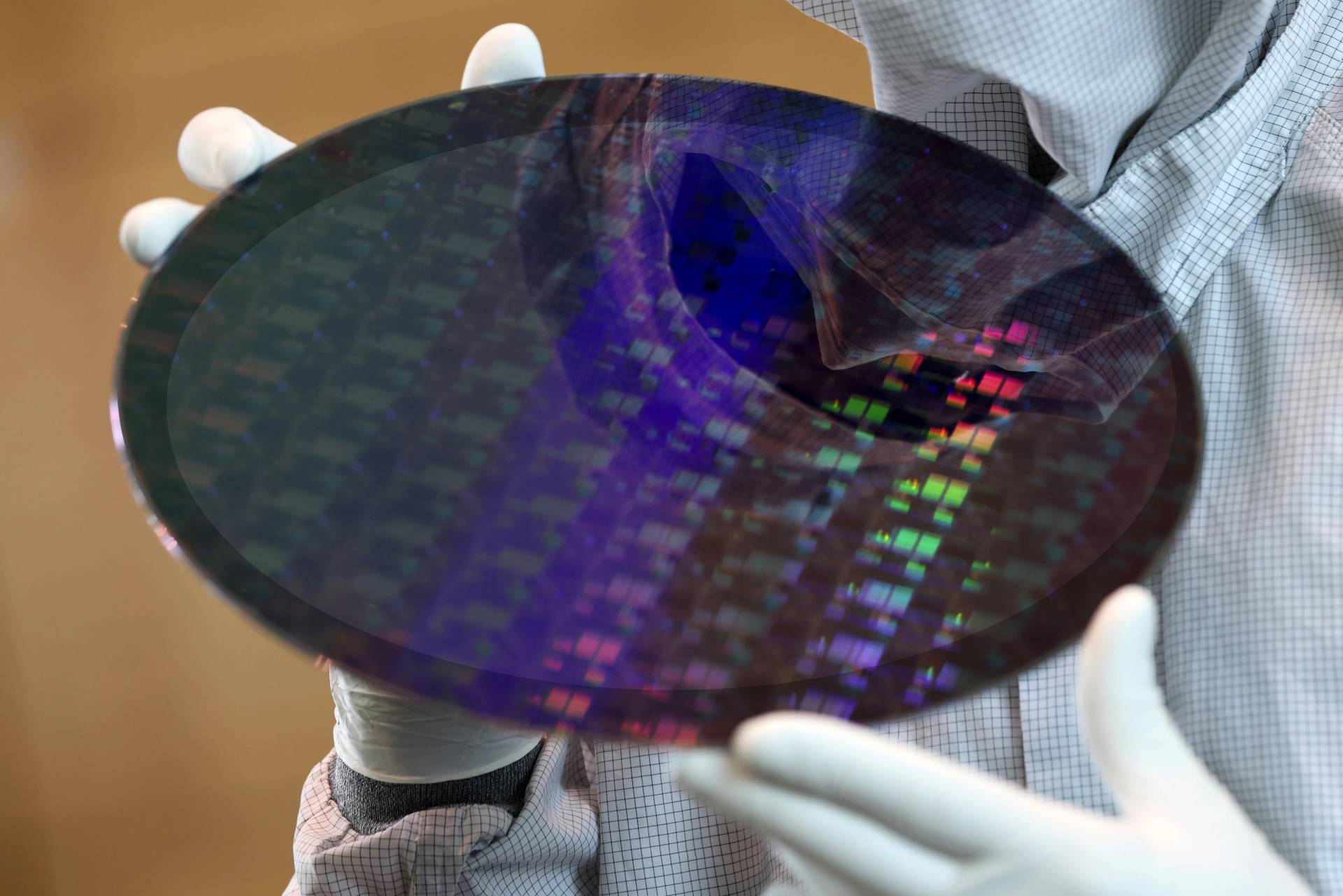
Silicon wafers are the foundation of modern semiconductors. They serve as the base material on which chips are manufactured, making them essential for everything from AI processors and graphics cards to high-performance computing hardware and custom ASICs. With AI infrastructure expanding rapidly, demand for these wafers is expected to remain strong.
A new industry report from Taiwan suggests that both epitaxial wafers and polished wafers could see notable price increases by 2027. Polished wafers are expected to experience the sharpest rise, with prices potentially increasing by around 40%. Standard epitaxial wafers, which are widely used in advanced semiconductor manufacturing, may see price growth in the range of 15% to 25%.
Epitaxial wafers are particularly important for high-end chip production because they feature a single-crystal silicon layer grown on the wafer surface. This makes them suitable for advanced manufacturing processes used by major foundries, including TSMC, one of the most important players in AI chip production.
The report indicates that rising spot prices for silicon wafers may encourage semiconductor companies to secure long-term agreements with suppliers. These agreements can help chipmakers lock in supply and pricing before costs climb even further. Similar strategies have already become common in other parts of the semiconductor market, including memory chips, as companies look to avoid shortages and protect themselves from price volatility.
The expected surge in wafer demand is closely tied to the rapid expansion of AI-related semiconductor production. CoWoS advanced packaging capacity is forecast to grow by 70.9% next year, reflecting the industry’s push to support more AI accelerators and high-performance chips. Meanwhile, demand for GPUs and custom AI ASICs is projected to rise by 44.9%, further increasing the need for raw silicon wafers.
CoWoS technology has become especially important for AI hardware because it enables advanced chip packaging designs that combine multiple components with high-bandwidth memory. As more companies build large-scale AI data centers, demand for this type of packaging is expected to keep rising.
The report also estimates that wafer prices could increase from about $92 per wafer in 2026 to $122 in 2027, before reaching around $166 in 2028. That would represent a major cost increase for chip manufacturers, especially as production volumes continue to expand.
Shipments are also expected to grow strongly. Quarterly wafer shipments are projected to rise from 11.9 million wafers this year to 16.1 million in 2027, and then to 21.7 million in 2028. This reflects the broader growth of the semiconductor industry as AI, cloud computing, data centers, and high-performance computing continue to drive demand.
The silicon wafer supply chain is concentrated mainly in Asia and parts of Europe, with major suppliers including GlobalWafers and SUMCO. As demand rises, these companies could benefit from stronger pricing power and increased long-term supply commitments from chipmakers.
The key takeaway is that the AI boom is not only affecting chip designers and foundries. It is also reshaping the entire semiconductor supply chain, from advanced packaging to raw materials. If current projections hold, silicon wafers could become a more expensive and strategically important part of AI chip production over the next several years.
With GPU demand, custom AI accelerator development, and advanced packaging capacity all moving upward, the semiconductor market appears set for another strong growth cycle in 2027 and beyond. However, rising wafer prices may also add new cost pressures for companies racing to meet the world’s growing appetite for AI computing power.