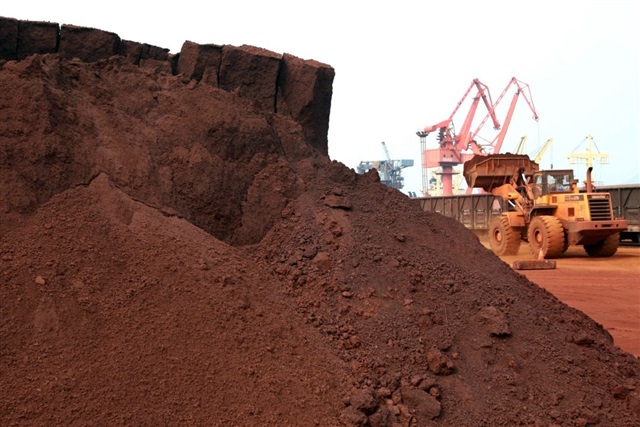
As geopolitical tensions between China and Japan continue to rise, companies that rely on rare earth materials are bracing for renewed uncertainty. China has reportedly introduced stricter review requirements on rare earth exports bound for Japan, a move that could ripple through global supply chains and impact industries far beyond Asia.
According to the latest reports, Chinese authorities are now asking exporters to provide significantly more detailed documentation before shipments can move forward. These expanded declarations are said to include additional information about the nature of the materials being shipped and other shipment-related specifics. While the measure is being described as a review tightening rather than an outright ban, added scrutiny at the export stage can still slow deliveries, raise administrative burdens, and create unpredictability for manufacturers that depend on steady inbound supply.
Rare earth elements are a critical ingredient in many high-demand technologies. They’re commonly used in electric vehicle motors, wind turbines, consumer electronics, medical devices, and advanced defense systems. Because China has long played an outsized role in the mining, refining, and processing of rare earths, even minor policy shifts can quickly translate into real-world consequences such as delayed production timelines, higher component costs, or the need to redesign sourcing strategies.
For Japan in particular, any disruption in rare earth imports draws attention because the country is a major hub for high-tech manufacturing and precision components. If clearance times lengthen or approvals become more selective, Japanese firms may be pushed to seek alternative suppliers, expand stockpiles, or accelerate efforts to diversify away from single-country dependence. In the short term, that can mean higher procurement costs and operational headaches. In the long term, it may encourage broader investment into new supply routes and domestic processing capabilities.
This situation also underscores a larger trend: supply chains are no longer shaped only by price and efficiency. They’re increasingly influenced by geopolitics, trade policy, and national security priorities. Rare earths have become one of the most closely watched strategic resources in the world, and businesses are responding by building more resilience into their sourcing plans. That can include multi-sourcing contracts, larger buffer inventories, and partnerships in regions outside of China to reduce exposure to sudden policy changes.
While it remains to be seen how strictly these new export reviews will be applied, the message to global manufacturers is clear. Companies tied to rare earth materials should prepare for potential delays, tighter compliance requirements, and greater volatility—especially when shipments are linked to politically sensitive trade relationships.
If current trends continue, more firms may treat rare earth sourcing the same way they treat energy security or semiconductor supply: as a core strategic priority rather than a back-office procurement concern.