The long-running SuperSega saga has officially come to an end, and for many retro gaming fans, it wraps up exactly the way the warning signs suggested it would.
Spanish engineer Alejandro Martin has announced what he calls the “official death” of the SuperSega Project, an ambitious FPGA-based game console that was promoted as an ultimate all-in-one system for Sega’s classic hardware eras. After nearly two years of hype, mounting skepticism, and unfulfilled crowdfunding promises totaling more than $156,000, the project has now been canceled—leaving backers frustrated and still chasing refunds.
SuperSega first appeared in June 2024 with a bold promise: a premium FPGA console powered by Xilinx UltraScale+ technology that could accurately recreate multiple Sega platforms in one device. The pitch targeted serious retro enthusiasts by claiming “native-like” hardware reproduction across the Sega Master System, Sega Mega Drive (Genesis), Sega Saturn, and even the Dreamcast.
That promise was the hook. FPGA gaming systems can deliver a level of cycle-accurate play that many fans prefer over traditional software emulation, especially when it comes to input latency, visual accuracy, and compatibility quirks. SuperSega leaned heavily into that appeal, advertising “pixel-perfect” results and smooth performance with none of the common emulator headaches. The ambition was enormous, because delivering that many different complex systems—particularly Saturn and Dreamcast—at a consumer price point would be a major breakthrough. Pre-orders were listed at €299, which helped the concept spread quickly through retro gaming circles.
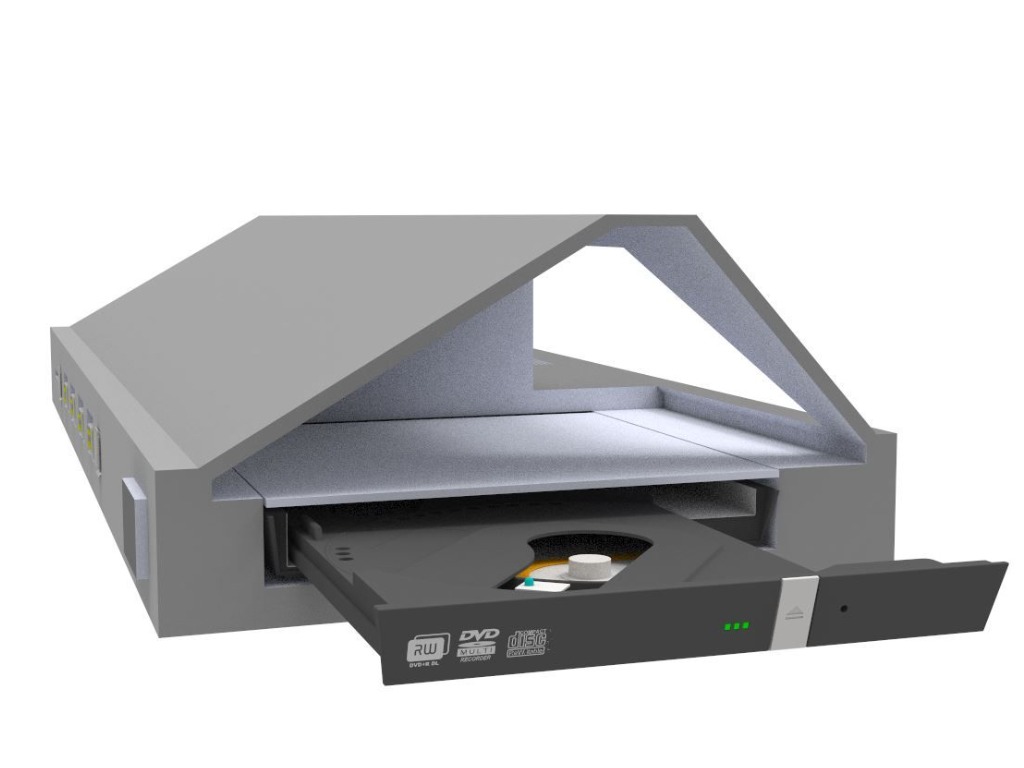
But as attention grew, so did questions. Critics began highlighting inconsistencies in the project’s public demos. Prototype videos showed the supposed FPGA hardware hidden beneath an unusually large heatsink, and observers pointed out that the circuit boards appeared incomplete. Audio glitches cropped up, and some argued the gameplay looked less like FPGA-based hardware recreation and more like typical PC software emulation. Each new update did less to reassure skeptics—and more to deepen doubts.
The controversy intensified as more information surfaced about Martin’s earlier crowdfunding history. In the past, he had launched a separate campaign for an 8K camera project that later declared bankruptcy, and backers reportedly never received the promised product. That track record fueled concerns that SuperSega might follow the same path.
Public trust eroded further as the situation around funding and demos became messier. Some backers who pledged small amounts reported being charged the full price. Later demonstrations were described as a downgrade, with crashes and missing audio, and one clip even featured a child on camera bluntly saying the system “sucked.” Instead of stabilizing confidence, the updates became part of the growing narrative that the project wasn’t progressing in a credible way.
Then came the trademark fight, which appears to have delivered the final blow. Sega raised concerns over the “Super Sega” branding, and the dispute escalated to legal pressure demanding the name be abandoned and prototypes be destroyed. According to reports tied to the project’s fallout, Sega engaged Spanish IP firm Cuatrecasas in the matter. With branding at the heart of the console’s identity and marketing, the legal challenge arrived at the worst possible moment.
Martin later cited a mix of complications—ranging from health issues to negotiations—while also mentioning plans like selling a Lamborghini Gallardo and issuing refunds to disputed backers. Ultimately, however, he confirmed that development and updates were effectively over. In his cancellation message, he stated there would be no more videos or news unless the project were somehow resurrected, which he suggested was “almost impossible.”
For retro gaming fans, SuperSega has become a cautionary tale about crowdfunding and “too good to be true” hardware claims—especially in a niche as technically demanding as FPGA consoles. For the people who backed it, the biggest issue now isn’t the end of the hype cycle, but what happens next: many are still waiting for refunds, and the project’s cancellation doesn’t automatically resolve the financial damage for supporters who believed in the pitch.
As interest in retro hardware and FPGA-based gaming continues to rise, the collapse of SuperSega is likely to remain a reference point—an example of why transparency, verifiable progress, and realistic technical promises matter as much as nostalgia itself.