Valve Steam Machine Could Ship With Single-Channel DDR5 RAM as Memory Prices Force a Compromise
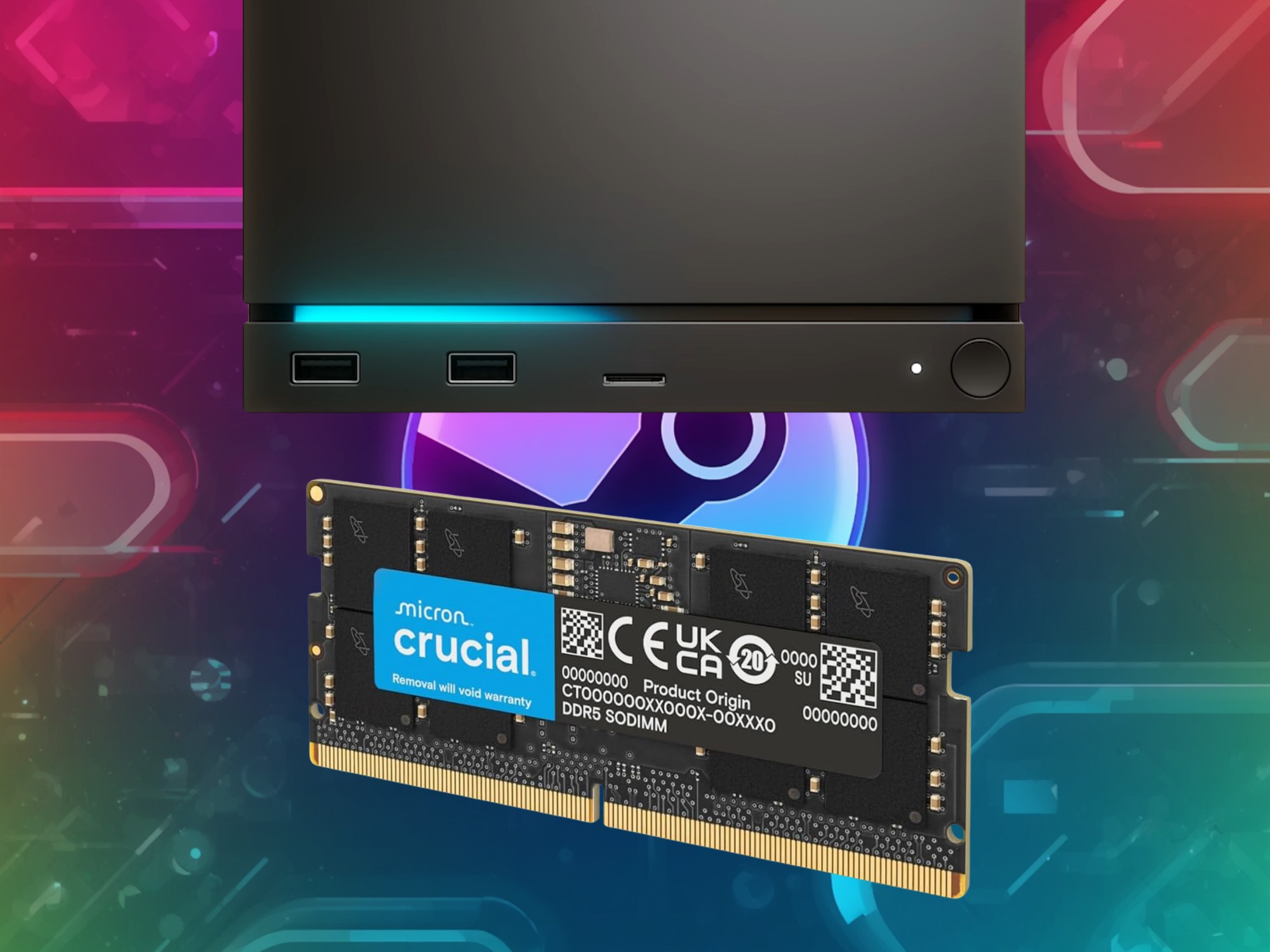
Valve’s upcoming Steam Machine is shaping up to be one of the most talked-about living room gaming PCs, but new details suggest buyers may not all receive the same memory setup. Due to rising memory costs and limited component availability, some Steam Machine units will reportedly ship with a single 16GB DDR5 RAM module instead of two 8GB sticks.
That may sound like a small change on paper, but for PC gamers, memory configuration can matter. A dual-channel setup allows the processor to access more memory bandwidth, which can improve performance in certain games, especially CPU-heavy titles. With a single-channel configuration, some games may see lower frame rates or less consistent performance compared to the same system running dual-channel RAM.
Valve’s decision appears to be tied directly to the ongoing component crunch, which has been intensified by huge demand for memory in AI hardware. Smaller 8GB DDR5 modules have reportedly become harder to source in large quantities. Rather than raise the Steam Machine’s price even further, Valve chose to use a more available single 16GB DDR5 module in some units.
According to Valve engineers, internal testing showed that the performance difference between single-channel and dual-channel memory was not dramatic in many scenarios. However, that does not mean the change will go unnoticed by everyone. Games that lean heavily on CPU performance, such as large open-world RPGs or complex simulation-heavy titles, could benefit from the extra bandwidth provided by dual-channel memory.
The more frustrating part for buyers is that there may be no clear way to know which RAM configuration they are getting before purchase. Some Steam Machine systems may still ship with two 8GB modules, while others may arrive with one 16GB module. The final configuration depends on what parts are available when each unit is assembled.
There is one upside to the single 16GB RAM module. Since the Steam Machine includes two DDR5 SO-DIMM slots, owners who receive the single-stick model can add another matching 16GB module later. That would bring the system to 32GB of RAM and enable dual-channel performance. For long-term upgradeability, that is not a bad position to be in.
The problem is timing. DDR5 memory prices are currently high, and buying an extra module right away may not be attractive for gamers who already paid a premium for the Steam Machine. For many users, the appeal of a console-style gaming PC is simplicity. Having to think about RAM channels, matching modules, and future upgrades could make the device feel less plug-and-play than expected.
The situation also highlights how difficult the hardware market has become for companies building compact gaming systems. Without massive long-term supply agreements with major DRAM manufacturers, even a company like Valve can be affected by the same shortages and price spikes facing smaller PC makers and everyday consumers.
Valve’s alternative would have been to increase the Steam Machine price or reduce production volume. The company appears to have chosen the option that keeps more units available while limiting the impact on cost. Still, critics may argue that a device positioned against popular living room gaming systems needs to deliver consistent specifications across all units.
For buyers, the key takeaway is simple: the Steam Machine’s RAM configuration could vary. A model with two 8GB DDR5 sticks should offer dual-channel memory out of the box, while a model with one 16GB stick may perform slightly worse in select CPU-limited games unless upgraded later.
The Steam Machine remains an interesting option for players who want a compact PC gaming experience built around Steam. But this memory change adds an important detail to watch before buying. If gaming performance, upgrade flexibility, and hardware consistency matter to you, the RAM setup may be one of the most important specs to check once the device becomes available.