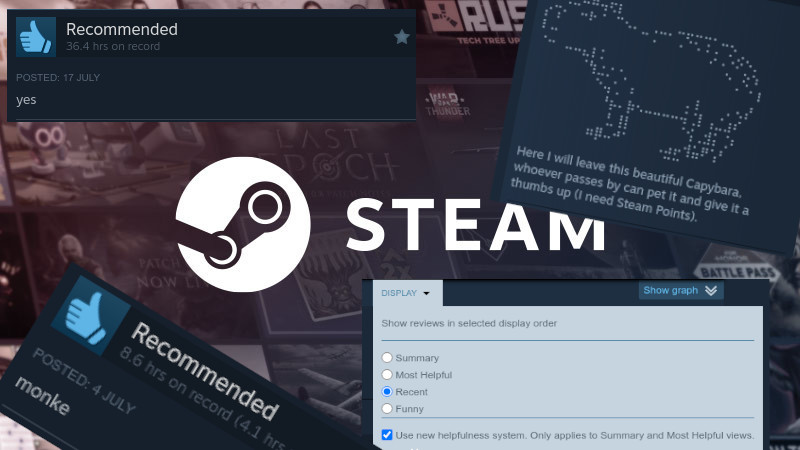
Steam is well-known for its vibrant user community, but the robust review section had often been cluttered with non-informative content such as ASCII art, memes, and impassioned, but arguably unhelpful one-liners. However, Valve has been consistently taking steps to improve the helpfulness and reliability of user reviews on the game distribution platform. After the initial steps to differentiate between “all reviews” and “recent reviews,” Steam has progressed even further in its commitment to ensuring that helpful reviews receive the visibility they deserve.
The updated system places a greater emphasis on featuring reviews that are deemed helpful by the community. Reviews that provide in-depth insights, thorough analysis, and substantial feedback are now more likely to be featured prominently on game store pages. On the flip side, less useful content, such as brief jokes or review bombs—a trend where users negatively review a game en masse as a form of protest—will be positioned lower, allowing potential customers to access more meaningful evaluations first. This does not mean other forms of reviews are banned; artistic expressions and lighter content will still be accepted, but they won’t be prioritized in the review sorting mechanism.
Notably, Steam’s updated system does not affect the overall game scores. This ensures that any shifts in the community’s perception or sudden grievances remain visible, providing a transparent overview of the game’s reception over time. The revised helpfulness score aims to refine the user review experience without altering the core scoring system that informs users about the game’s standing.
Valve assures that the goal of these changes is not to censor user contributions but to make the review system more efficient and valuable to those seeking informative insights before making a purchase. The update has been crafted with an understanding that while humor and creativity have their place, they should not obscure the more substantial reviews that can influence consumer decisions.
Ultimately, this move by Steam reflects a broader desire within the gaming community for platforms to take responsibility in curating user-generated content, ensuring that it serves the informational needs of its users effectively.
In continuing to enjoy a flourishing online platform, users can find solace in the fact that Steam remains committed to enhancing the user experience not just through gameplay, but through the improvement of its review systems as well—an element that often guides the decision-making of potential buyers.
Those who share their experiences with the latest game titles can now do so knowing that their well-crafted, informative reviews are more likely to be seen and appreciated by the gaming community, leading to a more informed and engaged audience.
This commitment to prioritization of quality content on the part of Steam serves as an encouragement for users to provide thoughtful and detailed feedback, contributing to a more meaningful exchange of ideas and opinions within the gaming space.