Memphis is turning SpaceX data center tax revenue into home repair grants for residents
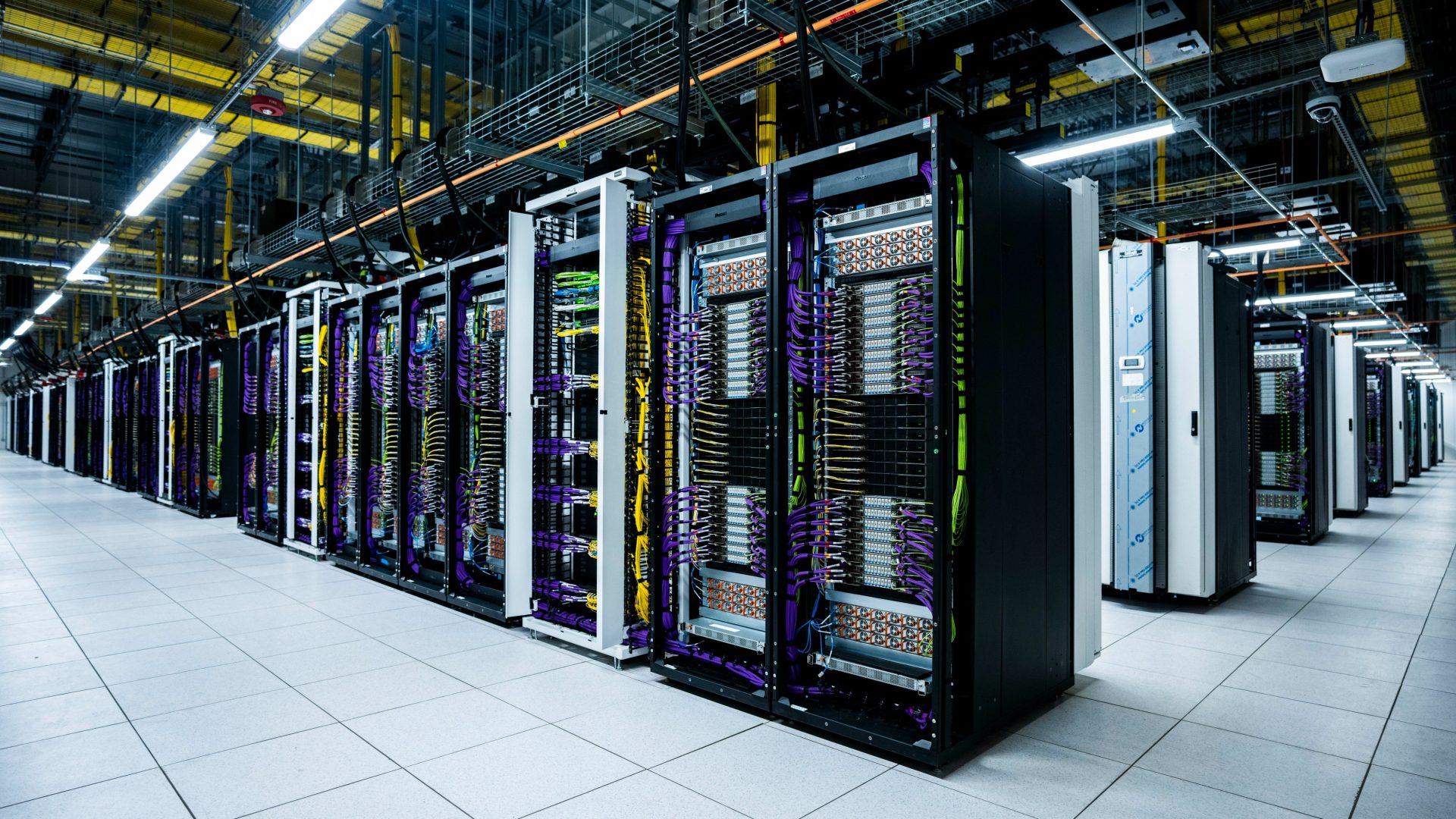
Data centers are becoming one of the most debated parts of the AI boom in the United States. Communities are weighing the economic benefits of massive compute facilities against concerns over energy use, water demand, infrastructure strain, and local impact. In Memphis, however, a new program tied to SpaceX’s Colossus 1 data center is offering a different model: using data center tax revenue to directly support residents.
Memphis has opened applications for the HOPE initiative, a home repair assistance program funded entirely by property tax revenue generated by SpaceX’s Colossus 1 facility. The program is backed by $2 million and is designed to help eligible homeowners make critical repairs and upgrades to their properties.
Qualified applicants can receive up to $25,000 in financial assistance. The funding can be used for a range of home improvements, including structural repairs, plumbing work, heating and air conditioning fixes, roof repair or replacement, accessibility upgrades, and exterior improvements such as painting, fencing, and landscaping.
The Memphis HOPE initiative shows how the growing AI infrastructure buildout can be structured to benefit local communities, not just the companies operating large data centers. As artificial intelligence requires more computing power, cities hosting these facilities are increasingly looking for ways to ensure residents share in the economic upside.
SpaceX’s investment in Memphis is also expanding beyond the Colossus 1 data center. Its AI-focused operations are investing $35 million to build a 150MW substation in the city, along with another $20 million for a second substation. The company has also set aside $80 million for a water recycling plant expected to be built within the next two years.
These projects could help address some of the biggest concerns surrounding large-scale AI data centers, especially power demand and water usage. By investing in local infrastructure and recycling systems, operators may be able to reduce pressure on municipal resources while strengthening long-term community support.
The idea of giving residents a more direct role in the AI economy is also gaining attention elsewhere. NVIDIA has outlined a concept involving wall-mounted compute boxes developed with SPAN. These air conditioner-sized units would be installed on the exterior walls of select homes and could contain high-value AI hardware, including 16 Blackwell GPUs and 4 server CPUs worth more than $250,000 combined.
The concept would effectively turn part of a home into a small-scale data center, potentially creating a dedicated income stream for homeowners. While still an unconventional approach, it reflects a broader shift in thinking: AI infrastructure does not have to be limited to remote industrial campuses. It can also be designed in ways that allow households and neighborhoods to participate financially.
The Memphis program and similar ideas point to a possible path forward in the national debate over data centers. Instead of framing AI facilities only as a burden on local resources, cities and companies can explore models that reinvest revenue into housing, infrastructure, public services, and direct community benefits.
At the same time, SpaceX is moving quickly to expand its computing footprint. The company’s Colossus 1 and Colossus 2 data centers are expected to reach a combined capacity of 2.7 GW by the end of 2026. SpaceX is also building a 444-acre Starbase AI campus in the Rio Grande Valley in Texas and is reportedly continuing to evaluate plans for a 6 GW compute campus in Arizona.
By the end of 2026, SpaceX aims to have between 2.5 GW and 3 GW of compute capacity. By the end of 2027, it plans to add another 10 GW, bringing total capacity to roughly 13 GW. When power generation and cooling infrastructure are included, the company’s overall energy footprint could climb as high as 20 GW.
That scale of expansion comes with enormous costs. SpaceX’s compute-related capital spending for 2027 alone is expected to reach $390 billion, based on an estimated $30 billion per gigawatt.
The numbers highlight just how large the AI infrastructure race has become. But Memphis is offering a reminder that the benefits of this buildout do not have to flow only to technology companies. If structured carefully, data center development can help fund home repairs, modernize local infrastructure, support sustainability projects, and create new income opportunities for residents.
As AI data centers continue to spread across the United States, the success of programs like the Memphis HOPE initiative could influence how future projects are negotiated. Communities may increasingly demand not only jobs and tax revenue, but direct investments that improve everyday life for local residents.