SpaceX reportedly plans major Texas data center as it pushes toward space-based AI computing
SpaceX is reportedly preparing to expand far beyond rockets and satellite internet with plans for a large-scale data center in Texas. The move would strengthen the company’s computing capacity on Earth while it continues developing a longer-term vision for artificial intelligence infrastructure in orbit.
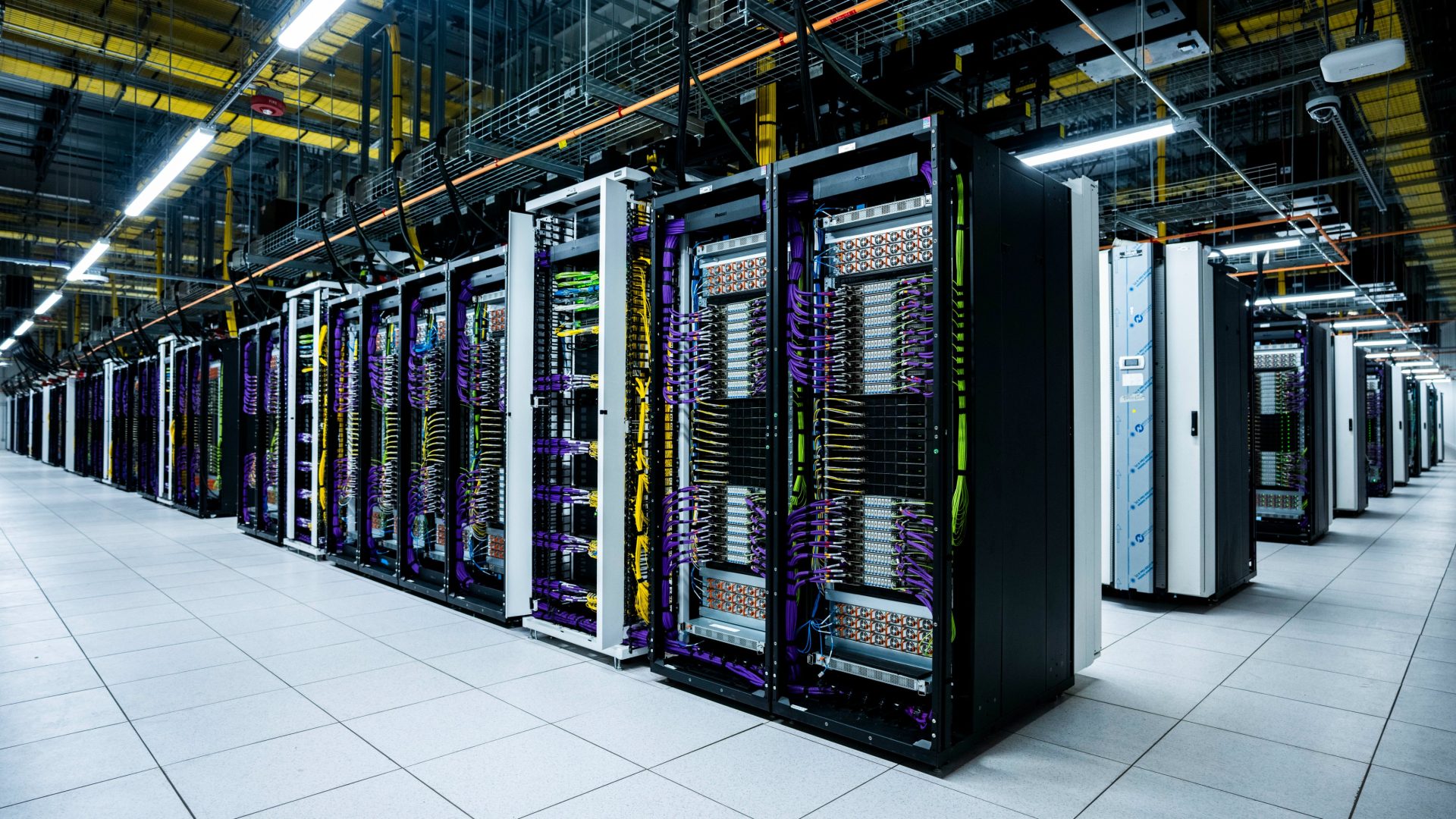
According to a new report, SpaceX is exploring multiple locations in Texas for a major new data center project. The company is said to be considering building one or more facilities from the ground up, potentially creating a computing footprint that could rival or surpass its existing operations in Tennessee.
The reported expansion comes as SpaceX increasingly positions itself as more than a launch and satellite company. Its growing focus on artificial intelligence, high-performance computing, and orbital infrastructure suggests a broader strategy: build powerful compute systems on Earth now, then eventually extend that capability into space.
SpaceX’s AI ambitions have become a bigger part of its business story following its connection with Elon Musk’s artificial intelligence company, xAI. The combined AI-focused operation, referred to in the report as SpaceXAI, is described as running Colossus data centers in Tennessee with access to hundreds of thousands of advanced NVIDIA AI GPUs.
These facilities are designed to support the massive computing demands of modern artificial intelligence models. Training and running large AI systems requires enormous amounts of processing power, electricity, cooling, and networking infrastructure. By expanding its data center capacity, SpaceX could become a much larger player in the fast-growing AI infrastructure market.
The company has also reportedly made deals to provide computing capacity to major AI and technology firms. One agreement with Google is said to involve access to 110,000 GPUs through 2029, while another deal with Anthropic reportedly gives the AI lab access to the full Colossus 1 facility.
If SpaceX moves ahead with a new Texas data center, the project would likely support this growing demand for AI compute. Texas is already central to SpaceX’s operations, making it a logical location for a major infrastructure buildout. The state offers large land availability, an expanding technology sector, and proximity to the company’s existing facilities.
At the same time, SpaceX is looking beyond traditional data centers. The company has shared plans for an “AI satellite” known as AI1, which is expected to deliver up to 150 kilowatts of peak computing payload. The satellite would reportedly be manufactured at SpaceX’s recently announced Gigasat facility in Texas.
This points to one of SpaceX’s most ambitious ideas: building data centers in space. Space-based computing could, in theory, take advantage of continuous solar power and reduce some of the energy constraints facing terrestrial AI infrastructure. As AI models become larger and more expensive to run, access to abundant power could become a major competitive advantage.
SpaceX has also requested permission from the Federal Communications Commission to launch as many as one million satellites with orbital computing capability. The goal would be to use solar energy in space to support AI workloads that require enormous amounts of processing power.
The company’s Starship rocket is a key part of that plan. SpaceX continues to test Starship and its Super Heavy booster, which are designed to carry massive payloads into orbit. If successful, Starship could make it more practical to deploy large numbers of computing satellites or even larger orbital infrastructure.
Supporters of the strategy argue that space-based computing could eventually compete with data centers on Earth. One financial analysis cited in the report suggests orbital compute costs could fall to around $6.5 per watt by 2031, potentially undercutting some advanced terrestrial data centers using next-generation AI chips.
Still, the concept faces major technical and economic challenges. SpaceX would need to prove that orbital data centers can be launched, powered, cooled, maintained, and connected reliably at scale. Data transmission speeds, hardware durability, radiation protection, and launch costs would all play critical roles in determining whether the idea can succeed.
For now, the reported Texas data center expansion appears to be the more immediate priority. Building large AI computing facilities on Earth would give SpaceX more capacity, more revenue opportunities, and more experience operating massive compute clusters before attempting to move similar infrastructure into orbit.
The broader message is clear: SpaceX is no longer focused only on transportation to space. The company is increasingly building an ecosystem that combines rockets, satellites, AI hardware, data centers, and future orbital computing platforms.
If the Texas project moves forward, it could mark another major step in SpaceX’s transformation into a computing and AI infrastructure company. And if its space-based data center vision becomes reality, SpaceX could play a central role in reshaping how artificial intelligence is powered in the decades ahead.


