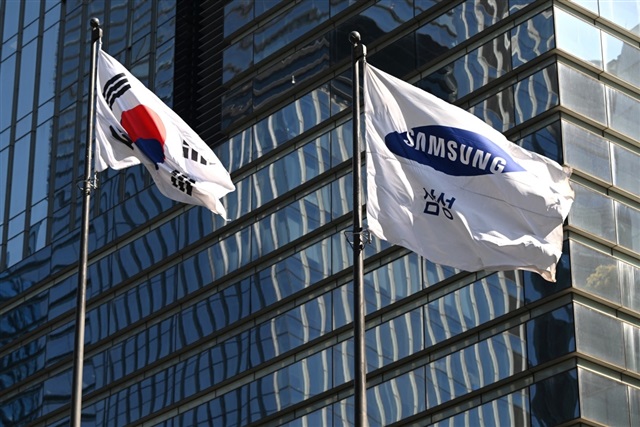
AI Server Boom Raises Concerns Over South Korea’s Manufacturing Future
The rapid rise of artificial intelligence is beginning to reshape global trade, and one of the biggest changes is happening in the fast-growing market for data centers. As companies race to build the infrastructure needed to power AI tools, cloud platforms, and advanced computing services, demand for AI servers, semiconductors, memory chips, and high-performance electronics is surging.
For South Korea, this shift presents both a major opportunity and a serious warning sign.
The country has long been known as a global manufacturing powerhouse, especially in semiconductors, displays, electronics, automobiles, and industrial equipment. However, the explosive growth of AI-related infrastructure is changing what countries export, where investment flows, and which industries become most valuable in the next phase of the digital economy.
AI data centers are now becoming a central pillar of global technology demand. These facilities require enormous numbers of specialized servers, advanced processors, memory solutions, cooling systems, networking equipment, and power infrastructure. As a result, nations with strong positions in chips and high-tech hardware are gaining new export momentum.
South Korea is well positioned in some areas, particularly memory chips, where its leading companies play a critical role in supplying components for AI servers. High-bandwidth memory, advanced DRAM, and storage solutions are becoming increasingly important as AI models require faster and more powerful computing systems.
However, the growing dependence on AI server demand also highlights a broader concern: the risk of manufacturing “hollowing out.” This happens when a country’s industrial base weakens as production, investment, and supply chains shift elsewhere. If South Korea fails to secure enough of the value chain tied to AI infrastructure, it could lose ground in the next wave of advanced manufacturing.
The concern is not simply about producing individual components. The AI server boom involves a much larger ecosystem that includes chip design, server assembly, data center equipment, energy systems, software integration, and global supply chain control. Countries that dominate more of this ecosystem may capture more long-term economic value.
As global technology companies invest heavily in AI data centers, export patterns are likely to keep changing. Products that were once considered niche or specialized are becoming strategic assets. Servers built for artificial intelligence are no longer just back-end computing tools; they are now essential infrastructure for finance, healthcare, defense, manufacturing, entertainment, and online services.
This trend could create strong export growth for South Korea if the country strengthens its position in AI hardware and related industries. Demand for advanced memory, solid-state drives, power-efficient chips, and precision manufacturing is expected to remain high as AI adoption expands worldwide.
At the same time, competition is intensifying. Other economies are moving quickly to attract investment in semiconductor plants, server production, and data center supply chains. Governments are offering incentives, improving infrastructure, and supporting domestic technology companies in an effort to secure a larger role in the AI economy.
For South Korea, the challenge will be to avoid relying too heavily on a narrow part of the supply chain. While memory chips are essential, the country may need to expand its influence across more areas of AI infrastructure, including advanced packaging, system-level server design, cooling technology, and energy-efficient data center solutions.
The AI revolution is not only transforming software and online services. It is also redefining manufacturing strategy, industrial competitiveness, and national export strength. Countries that can combine advanced technology with strong production capacity will be better placed to benefit from the global data center boom.
South Korea’s warning over manufacturing hollowing out reflects a larger global reality: artificial intelligence is changing the foundation of economic power. The race is no longer only about who develops the best AI models. It is also about who builds the hardware, factories, and infrastructure that make those models possible.
As demand for AI servers continues to rise, South Korea faces a critical moment. If it can protect and upgrade its manufacturing base while expanding into higher-value areas of the AI supply chain, the country could emerge as one of the major winners of the AI infrastructure era. If not, it risks seeing more value shift abroad, even as global demand for the technologies it helped pioneer reaches new heights.