Google’s Stitch AI Design Platform Sparks Debate Over the Future of Creative Work
Google’s newly announced Stitch AI design platform is already making waves across the tech and creative industries. The launch has triggered strong reactions from designers, developers, software companies, and business leaders, all watching closely to see how artificial intelligence may reshape the future of digital product creation.
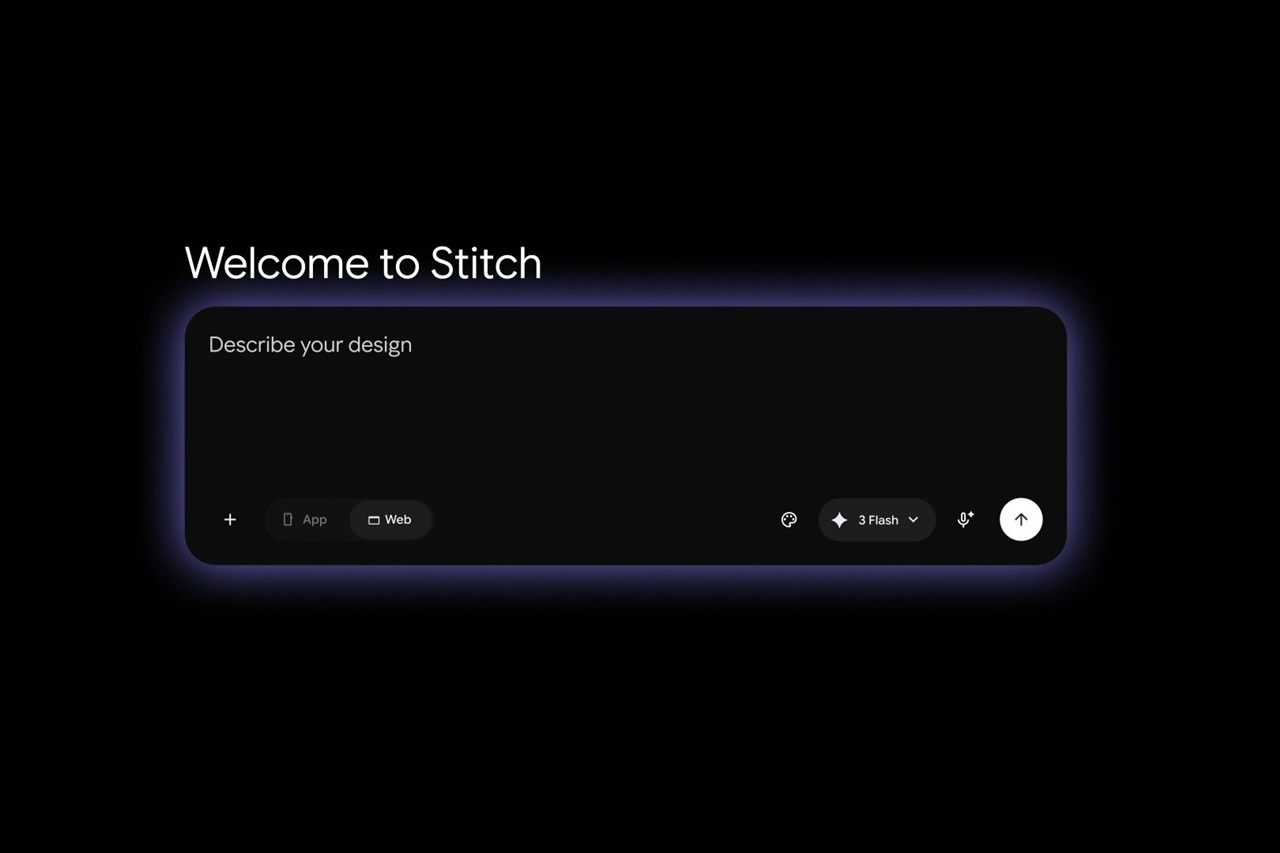
Stitch is positioned as an AI-powered design tool built to help users create interfaces, app layouts, web designs, and visual concepts faster than traditional methods. By using natural language prompts and automated design generation, the platform aims to reduce the time it takes to move from an idea to a working visual prototype.
The announcement has raised major questions about where the design industry is heading. For years, digital design has depended on skilled professionals using specialized software to build user interfaces, brand experiences, and product visuals. With AI tools now becoming more advanced, many are asking whether platforms like Stitch will assist designers or eventually replace some parts of their work.
For businesses, the appeal is clear. AI design platforms can speed up workflows, lower production costs, and help teams test more ideas in less time. Startups, marketers, app developers, and small companies may benefit from tools that make professional-looking designs easier to create without requiring a large design department.
However, the reaction from creative professionals is more complex. Some designers see Stitch as a powerful assistant that can handle repetitive tasks, generate quick mockups, and help teams explore creative directions more efficiently. Others worry that the rise of AI-generated design could reduce demand for entry-level designers or undervalue human creativity, strategy, and user experience expertise.
The release of Stitch also increases pressure on the design software market. Established design platforms now face a new wave of competition from AI-first tools that promise faster results and simpler workflows. As artificial intelligence becomes more deeply integrated into creative software, companies will need to compete not only on features but also on speed, usability, collaboration, and the quality of AI-generated output.
Another key issue is workplace automation. Stitch is part of a larger trend in which AI is moving beyond text and image generation into professional workflows. Design, coding, content creation, customer support, and data analysis are all being transformed by AI systems that can complete tasks once handled entirely by people.
Still, human input remains essential. Strong design is not only about making something look attractive. It requires understanding users, solving business problems, building accessible experiences, maintaining brand identity, and making thoughtful creative decisions. AI can speed up production, but human judgment will continue to play a central role in shaping effective digital products.
Google’s Stitch announcement signals that AI-driven design is no longer a distant concept. It is becoming part of the mainstream technology landscape, and its impact could be significant. Whether it becomes a helpful creative partner, a disruptive force in the job market, or a new standard for product development will depend on how companies and professionals choose to use it.
For now, Stitch has succeeded in one major way: it has sparked an important conversation about the future of design, creativity, and work in an AI-powered world.