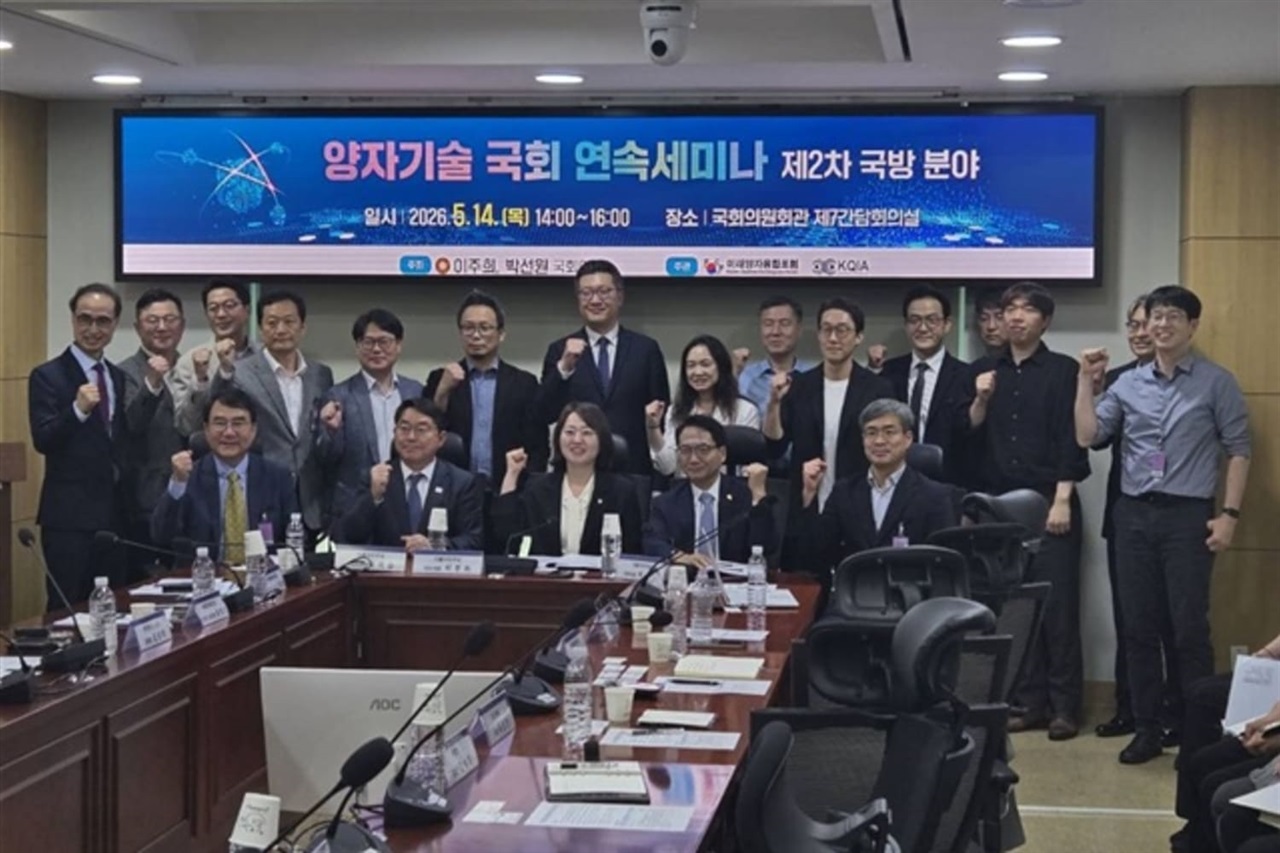
South Korea Pushes Quantum Defense Technology Toward Real-World Deployment
South Korea is intensifying its push to bring quantum defense technology out of research labs and into practical military use, signaling a major step forward in the country’s advanced defense strategy.
LIG Defense & Aerospace, one of South Korea’s key defense companies, is working alongside the state-backed Agency for Defense Development to speed up the transition of quantum-based systems from experimental projects to operational deployment. The effort reflects a growing belief that defense programs can serve as a powerful launchpad for commercializing quantum technology.
Quantum technology is increasingly viewed as a critical next-generation capability for national security. While many quantum systems are still in the development stage, their potential applications are significant. In defense, quantum innovation could support highly secure communications, advanced sensing, precision navigation, improved detection systems, and stronger protection against future cyber threats.
For South Korea, the focus is not only on scientific research but also on practical adoption. By connecting government-backed defense development with private-sector engineering and production capacity, the country aims to shorten the path from prototype to field-ready technology.
Industry observers argue that military contracts could play an important role in making quantum systems commercially viable. Defense projects often provide the funding, testing environments, and long-term demand needed to mature emerging technologies. Once these systems prove reliable in demanding military conditions, they may later be adapted for civilian industries such as telecommunications, logistics, cybersecurity, aerospace, and advanced manufacturing.
This approach mirrors a broader global trend. Countries around the world are investing heavily in quantum research as they compete for leadership in technologies that could reshape both defense and commercial markets. South Korea’s strategy highlights the importance of building a domestic ecosystem that can develop, test, manufacture, and deploy quantum solutions at scale.
LIG Defense & Aerospace and the Agency for Defense Development are expected to play central roles in this effort as South Korea seeks to strengthen its technological independence and improve its defense readiness. Their collaboration could help establish a stronger foundation for quantum commercialization while giving the country a competitive edge in one of the most important technology races of the coming decade.
The move also shows how defense innovation can influence the wider economy. Technologies first developed for military purposes have often gone on to create major commercial breakthroughs. If South Korea succeeds in turning quantum defense research into operational systems, it could open the door to new industries, new export opportunities, and a stronger position in the global advanced technology market.
As quantum defense development gains momentum, South Korea appears determined to move beyond laboratory experiments and toward real-world deployment. The country’s latest efforts suggest that quantum technology is no longer just a long-term research goal. It is becoming a strategic priority with the potential to transform national security and future commercial innovation.