PS6 Backward Compatibility: Will PlayStation 5 Games Work on Sony’s Next Console?
Fresh reports about the PlayStation 6 suggest Sony may continue using AMD hardware with the familiar x86 CPU architecture, the same broad foundation used in the PS5 and PS4 era. If accurate, that could be good news for players hoping their PlayStation 5 game libraries will carry over to the next generation.
Backward compatibility has become a major expectation for console buyers. Many players now own large digital collections built through PlayStation Store purchases, PlayStation Plus claims, DLC expansions, and live-service games. Because Sony has encouraged users to invest heavily in digital libraries, it would be surprising if the PS6 launched without meaningful support for PS5 titles.
Still, questions remain about how far that compatibility will go, especially for physical PS5 games.
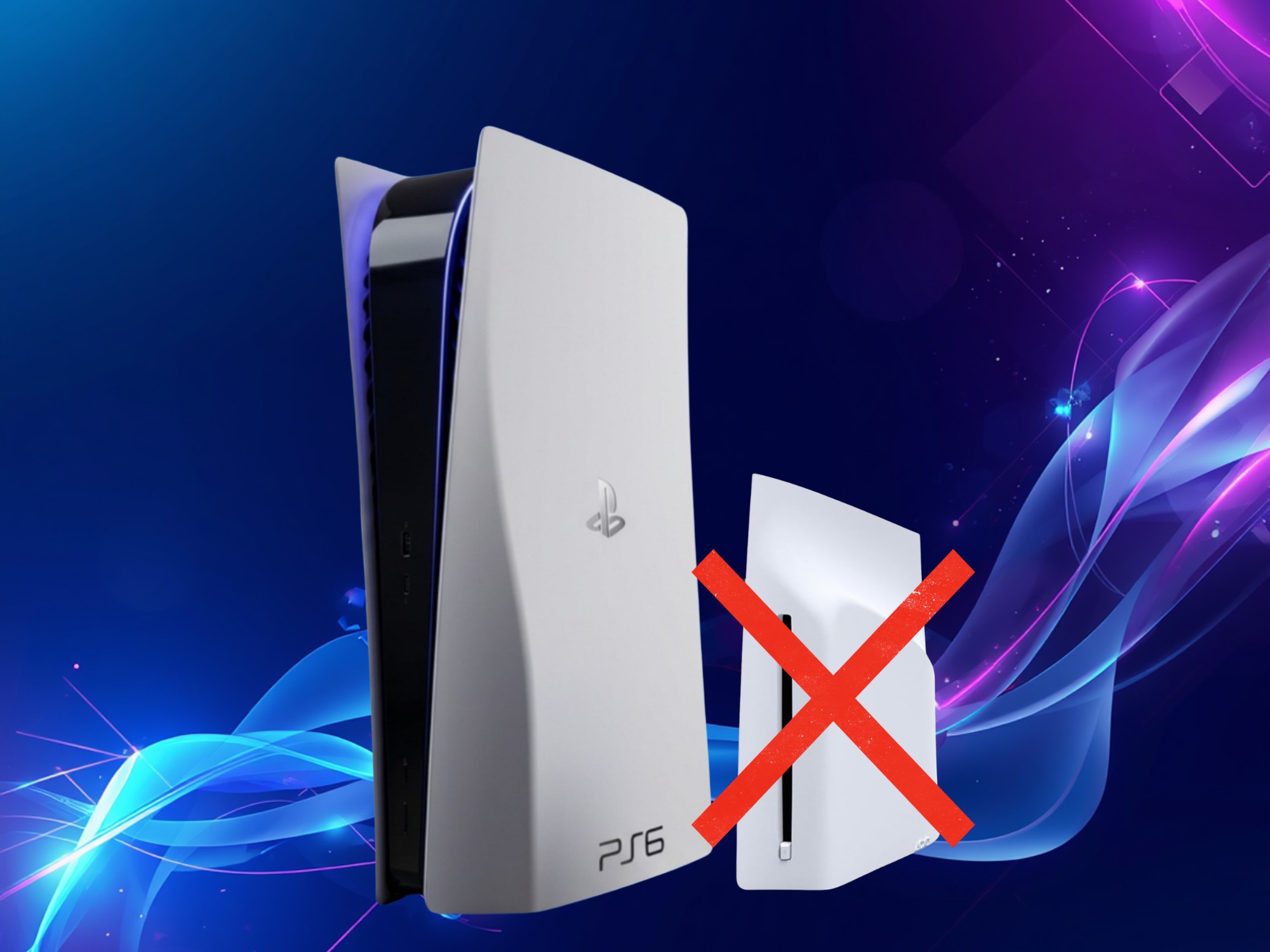
One of the biggest unknowns is whether the PS6 will include a built-in disc drive. With the gaming industry moving steadily toward digital downloads, cloud saves, subscriptions, and online storefronts, physical media is becoming less central with every generation. The PS5 already introduced a split between a disc model and a digital-only model, while later hardware revisions made the disc drive an optional add-on.
Sony could take a similar route with the PS6 by offering a separate disc drive accessory. That would allow players with physical PS5 games to keep using their collections, while also letting Sony push the console further into a digital-first future.
However, if the PlayStation 6 becomes fully digital, physical game owners may face a more complicated transition.
One possible solution would be a disc-to-digital conversion program. In theory, players could insert or register their PS5 discs and receive a PlayStation Store license for the same game. That would help preserve older libraries even if the new console lacks a traditional disc drive.
The challenge is preventing abuse. If a single disc could be converted into a digital license and then sold, shared, or reused for another conversion, publishers and platform holders would likely reject the system. Sony would need a secure method to verify ownership and prevent repeated claims from the same copy.
Without a practical solution, the used game market could suffer when the PS6 arrives. Physical discs currently allow players to buy, sell, trade, and lend games. A digital-only system would remove much of that flexibility. Retailers that depend on pre-owned game sales could also face a tougher future as major releases increasingly shift toward download codes and digital ownership models.
There is also a broader concern around digital licenses. Buying a digital game or movie often feels like ownership, but in many cases access depends on licensing agreements, storefront policies, and publisher decisions. Sony has previously faced criticism over plans to remove hundreds of purchased TV shows and films from customer libraries due to licensing issues. Incidents like that fuel worries about whether today’s digital purchases will remain accessible years from now.
For PlayStation fans, the ideal PS6 would offer strong backward compatibility with PS5 games, support for existing digital purchases, and a fair path for those who still own physical discs. Sony has made backward compatibility a more important part of its ecosystem in recent years, so there is reason to be optimistic.
Even so, the future of PlayStation game ownership may look very different by the time the PS6 launches. If Sony embraces a digital-first or digital-only strategy, convenience could improve, but players may lose some of the control they currently have over their game collections.
For now, PS5 owners can likely expect their digital libraries to remain important in the next generation. The bigger question is whether physical discs will come along for the ride, or whether the PlayStation 6 will mark another major step toward an all-digital gaming future.