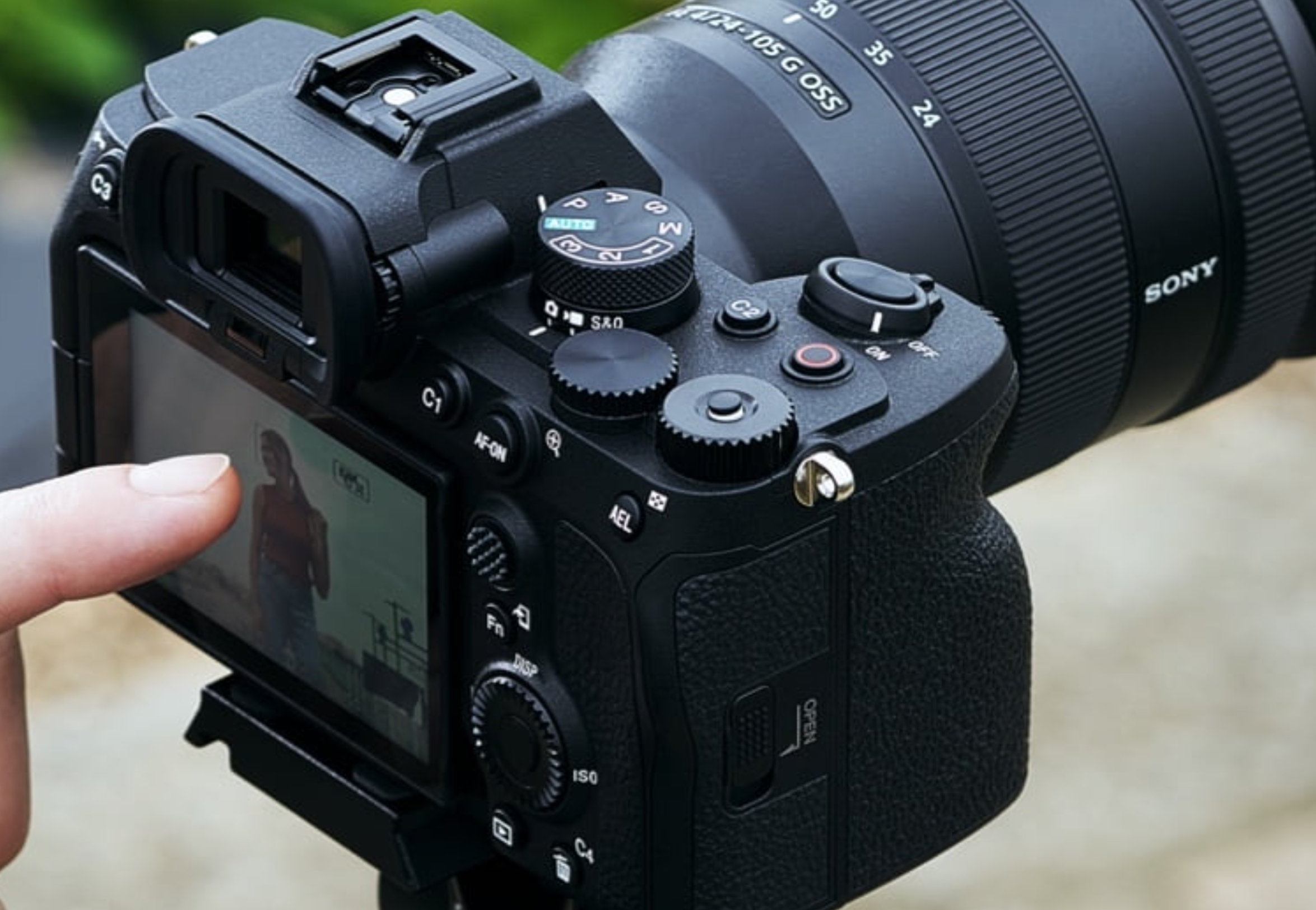
Sony’s next mainstream full-frame mirrorless, the rumored A7 V, is shaping up to be a thoughtful refresh rather than a radical overhaul. Early reports point to a familiar 33 MP sensor—likely an evolution of the A7 IV’s excellent all-rounder—paired with a far more intriguing upgrade: a new AI-driven processor similar to the engine powering the flagship A1 II. That combo hints at smarter autofocus, improved subject detection, and potentially cleaner files thanks to better processing, without abandoning the proven resolution that hybrid shooters already trust.
On paper, an AI-focused processor should unlock more performance from the sensor across photos and video. That’s why some creators were surprised by whispers that the A7 V might skip several much-wanted video tools at launch, including open gate recording, pre-capture, and uncropped 4K at 60p. Subsequent chatter has softened that stance, suggesting at least one of those features will make the cut when the camera debuts alongside new tech.
Which one is the most likely? Given the competitive landscape, open gate video seems like the frontrunner. Canon’s EOS R6 Mark III already touts a 7K open gate mode, and hybrid creators have increasingly embraced open gate for flexible reframing across multiple aspect ratios—from cinematic wides to vertical social clips—without sacrificing field of view. If Sony brings open gate to the A7 V, it would instantly make the camera more appealing to content creators who need maximum flexibility in post.
That leaves uncropped 4K 60p as the most questionable item on the checklist. Historically, many mid-tier models have imposed a crop at higher frame rates to manage heat, readout speed, or processing overhead. If that remains true here, Sony could still net a big win by focusing on quality 4K at standard frame rates with robust oversampling, while positioning uncropped 4K 60p as a premium feature in higher-end bodies.
Pre-capture—buffering frames before the shutter is pressed—is another wild card. It’s an increasingly popular tool for wildlife and sports shooters who don’t want to miss peak action, and it dovetails neatly with an AI processor that can handle predictive autofocus and subject tracking. If it appears on the A7 V, it would round out a compelling hybrid toolkit for fast-moving scenes.
What this means for creators is simple: expect smarter performance and better usability rather than a spec-sheet shocker. The A7 V’s likely strengths include:
– Familiar 33 MP resolution with refined image quality and dynamic range
– AI-enhanced autofocus and subject recognition inherited from higher-end models
– Strong hybrid appeal if open gate recording arrives, enabling multi-format delivery from a single capture
– Potential trade-offs in high-frame-rate video, particularly around cropping at 4K 60p
For photographers, the continuity of a 33 MP sensor is good news—large enough for detailed landscapes and commercial work, yet nimble for events and weddings. For videographers, the processor upgrade could mean improved color, stabilization cooperation, rolling shutter control, and more reliable tracking, even if not every pro-grade video spec appears.
Bottom line: expectations should be calibrated for a practical, creator-focused update. If the A7 V lands with AI-powered processing and at least one of the rumored video features—ideally open gate—it could become a sweet-spot camera for hybrid shooters who value efficiency, flexibility, and dependable autofocus over headline-grabbing specs. As always with pre-release information, final details may shift, but the direction is clear: smarter performance, familiar resolution, and a feature mix that aims to satisfy the widest possible audience without cannibalizing Sony’s top-tier flagships.


