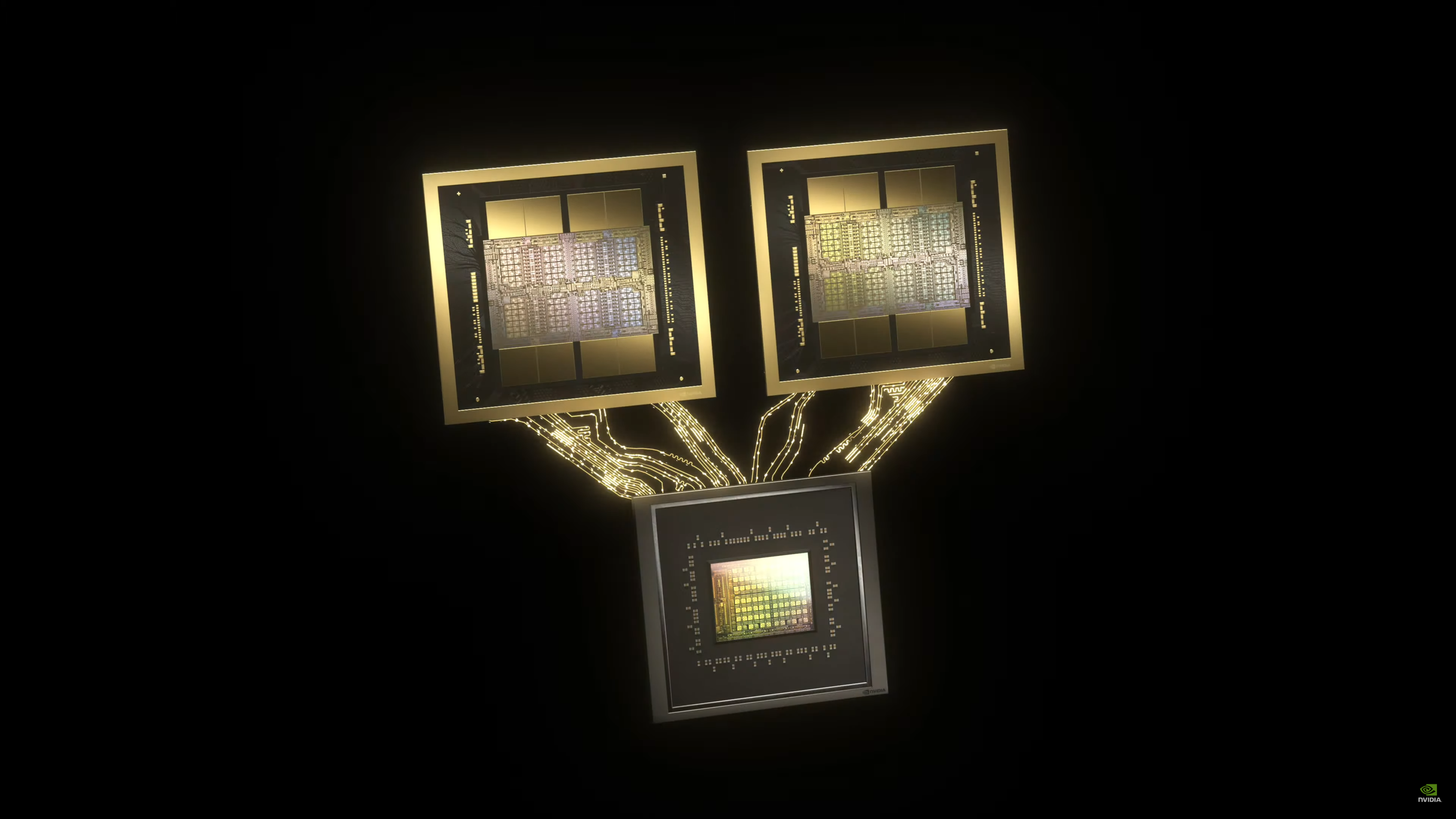
NVIDIA’s upcoming Blackwell Ultra “B300” GPUs are poised to revolutionize server design with a potentially game-changing socket-based architecture. Moving away from the current OAM (On-Board) design, which permanently attaches GPUs to the server motherboard, this new approach offers flexibility reminiscent of how CPUs are installed and removed.
This shift in design is anticipated to streamline the manufacturing process for NVIDIA, enabling easier upgrades and maintenance. Current GPUs, like those integrated into the GB200 servers, require the entire motherboard to be replaced in case of hardware issues. The proposed socket-based concept promises to enhance serviceability as GPUs could be swapped out independently of the motherboard.
Manufacturers such as the Taiwanese giants Foxconn and LOTES, known for creating interconnect components, are expected to benefit from this transition as their expertise will be crucial in developing the new socket parts. While transitioning to a socket design may introduce a slight dip in performance due to increased latency, the ease of upgrades, beneficial yields, and decreased downtime could present significant advantages.
Moreover, the Blackwell B300 “Ultra” is set to feature the FP4 (Floating Point 4), bolstering AI inference capabilities. This means that it will be even more adept at handling AI workloads, further building on the strengths showcased by its predecessor, the B200.
Interestingly, while NVIDIA is making strides with this new design, it’s worth noting that AMD has already breached this territory with its MI300A chips that unveiled a similar socket-based design in 2023. As NVIDIA continues to refine its technology, the competition between these tech giants is expected to drive innovation further, leading to faster and more efficient AI and server solutions.
In summary, NVIDIA’s strategic move towards a socketed GPU design for their Blackwell Ultra “B300” GPUs marks an exciting evolution in data center technology, promising improved efficiency, easier maintenance, and reinforcing NVIDIA’s commitment to leading AI and server innovations into the future.