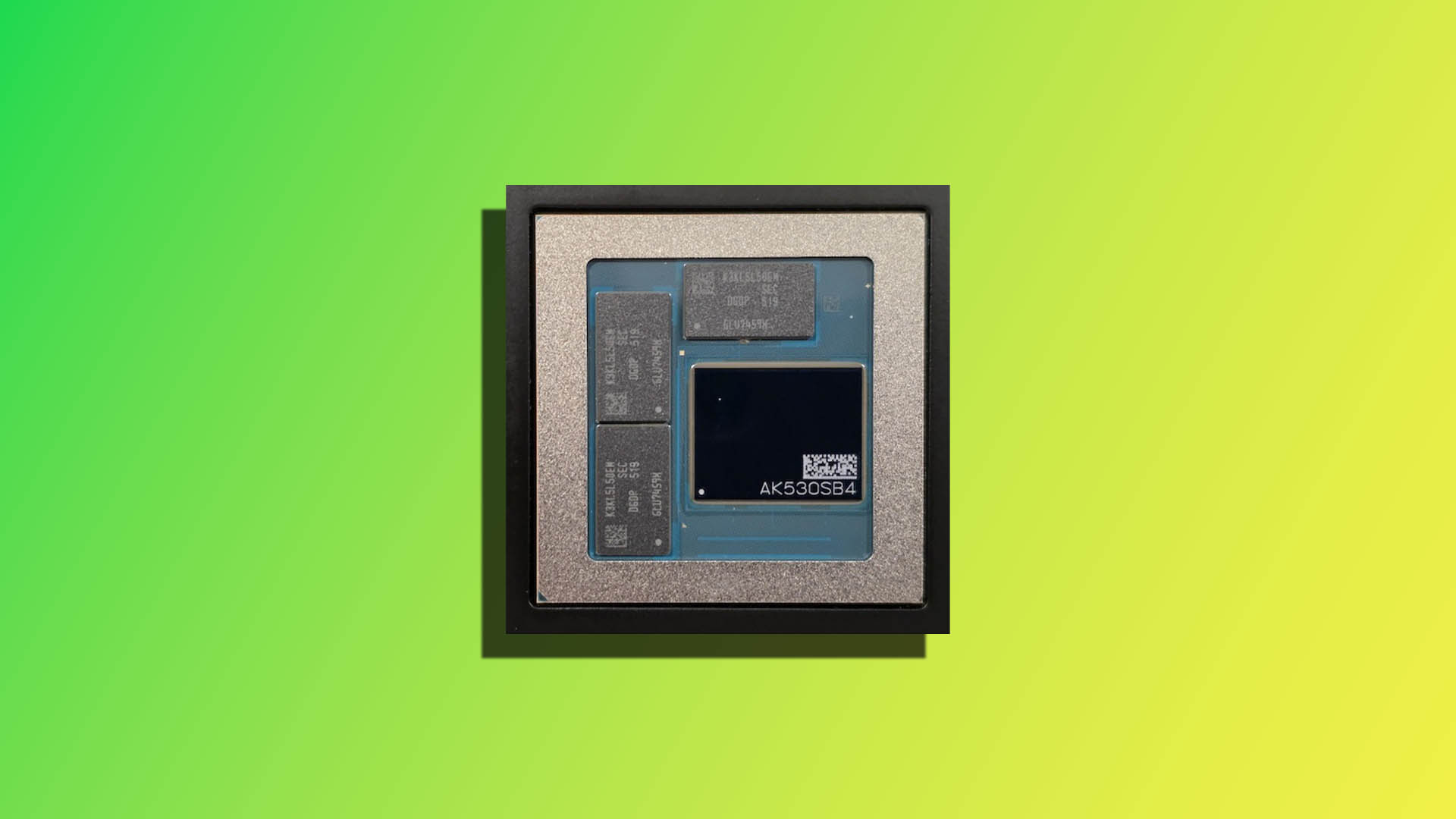
Qualcomm has officially introduced the Snapdragon X2 Elite Extreme and Snapdragon X2 Elite as its first 3nm laptop-focused chipsets, aiming to push notebook performance to new heights. The flagship Snapdragon X2 Elite Extreme is especially ambitious, featuring an 18-core system-on-chip that can reportedly boost up to 5.00GHz on one or two cores. While Qualcomm’s announcement confirmed the switch to 3nm, it didn’t specify which exact TSMC process node was being used, leaving plenty of room for speculation.
Now, new details indicate that Qualcomm’s top-tier Snapdragon X2 Elite Extreme is manufactured on TSMC’s 3nm N3X process. That’s a notable twist because N3X is built with maximum performance in mind, even if it means making some trade-offs in efficiency and density compared to other 3nm variants.
One of the standout design choices for the Snapdragon X2 Elite Extreme is its System-in-Package (SiP) approach. This packaging method brings multiple components together in one tightly integrated unit, including memory positioned close to the compute die. The idea is similar to what people often praise in Apple’s unified memory concept: keep memory close, reduce bottlenecks, and unlock higher bandwidth.
In Qualcomm’s case, the most powerful configuration is said to deliver up to 228GB/s of memory bandwidth. It achieves that with an extremely wide 192-bit memory bus, support for up to 128GB of memory, and RAM rated at 9523 MT/s. That bandwidth figure is impressive for a Windows laptop-class platform, landing above some mainstream competitors while still trailing higher-tier workstation-class implementations.
The new report also claims the chip packs 31 billion transistors and that TSMC’s N3X node can offer around a 5 percent performance uplift compared to N3P, another 3nm node widely expected in next-generation silicon. What makes N3X different is its emphasis on high-performance computing behavior, including the ability to sustain higher voltages. The Snapdragon X2 Elite Extreme is reportedly designed to operate at voltages above 1.0V, helping it chase higher clock speeds and stronger peak performance—though typically at the cost of power efficiency and transistor density.
Despite all of this performance-first engineering, early benchmark comparisons indicate Qualcomm still has work to do if the goal is to unseat Apple at the very top. In Cinebench 2024 single-core and multi-core tests, the Snapdragon X2 Elite Extreme is said to remain behind Apple’s M4 Max. That result is particularly striking given the chip’s apparent power headroom: it can reportedly exceed 100W when running without strict limits, and sustain around 40W in certain laptop designs.
Graphics performance is another area where early numbers suggest a deficit. In synthetic GPU-focused tests like 3DMark Steel Nomad Light Unlimited and 3DMark Solar Bay Unlimited, Apple’s M4 Pro is reportedly up to 45 percent faster. That gap matters because high-end laptop buyers increasingly care about GPU acceleration for creative workloads, AI features, and gaming performance—even in thin-and-light designs.
None of this necessarily means Qualcomm’s 3nm push is a failure. These are still early data points, and a couple of benchmarks don’t tell the full story. Real-world battery life, sustained performance in shipping laptops, thermals, drivers, and AI acceleration can all reshape how competitive a platform feels day to day. Still, based on the information available so far, Qualcomm’s decision to prioritize raw performance with TSMC’s N3X process hasn’t yet produced the breakthrough results many were expecting.
More comprehensive testing and additional benchmark leaks should give a clearer picture of where the Snapdragon X2 Elite Extreme truly stands in the premium laptop chip race.