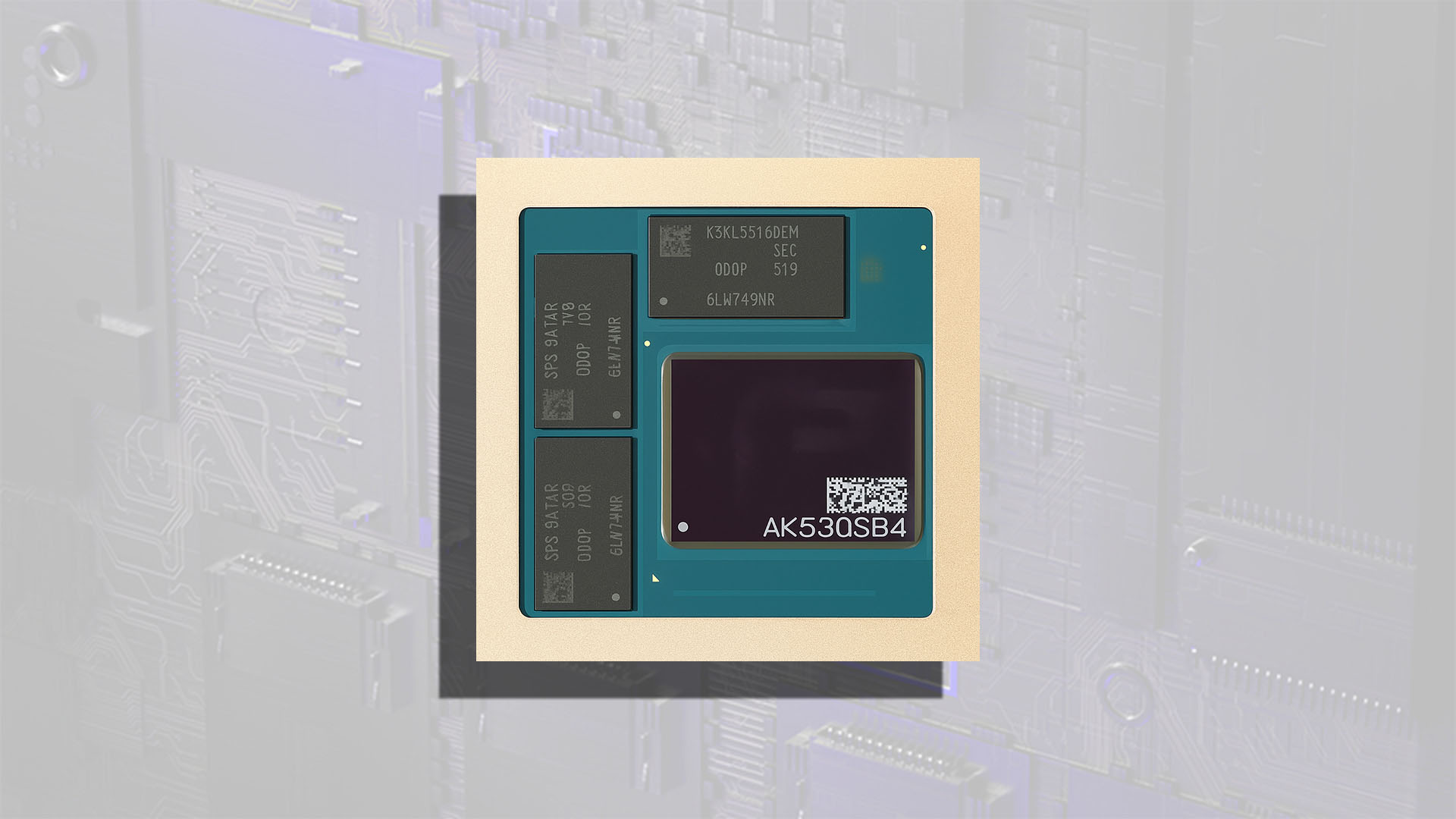
Qualcomm’s most muscular laptop chip to date, the Snapdragon X2 Elite Extreme, isn’t just a speed bump—it’s a packaging rethink. A close look at the die shows why this version stands apart from the two Snapdragon X2 Elite variants introduced alongside it: the Extreme model uses SiP memory, a System-in-Package approach that places RAM right next to the processor. That proximity slashes latency and drives a massive increase in memory bandwidth.
What SiP memory means for performance
SiP, or System-in-Package, integrates components such as RAM into the same package as the processor. By keeping memory on-package, data moves faster and more efficiently, which is particularly valuable in thin-and-light laptops where space and thermals are constrained. It’s a similar concept to unified memory designs seen elsewhere, where CPU and GPU share a high-speed pool of memory to reduce bottlenecks and improve overall system efficiency. While the underlying architectures differ, the end goal is the same: higher sustained performance from tighter integration.
The payoff is clear in the numbers. Snapdragon X2 Elite Extreme hits up to 228 GB/s of memory bandwidth and ships with a minimum of 48 GB of on-package RAM. In contrast, the other Snapdragon X2 Elite SKUs rely on off-package memory and top out at 152 GB/s. Images shared publicly also show a “SEC” marking on the package, indicating Samsung is supplying key components for the memory integration.
Three Snapdragon X2 Elite family SKUs at a glance
– X2E-96-100: 18 cores, 48 GB SiP memory, 12-channel, 228 GB/s bandwidth, up to 4.6 GHz CPU, 5G modem with 2C configuration, up to 1.85 GHz GPU.
– X2E-88-100: 18 cores, off-package memory, 8-channel, 152 GB/s bandwidth, up to 4.0 GHz base with 4.7 GHz turbo on two cores, 5G 2C.
– X2E-80-100: 12 cores, off-package memory, 8-channel, 152 GB/s bandwidth, up to 4.0 GHz base with 4.7 GHz single-core and 4.4 GHz two-core boost.
Why this matters for next-gen Windows laptops
By moving to SiP memory, the Snapdragon X2 Elite Extreme can feed its CPU and GPU at much higher rates, reducing stalls and improving responsiveness in everything from creative workloads to AI acceleration and gaming. Expect fewer memory bottlenecks, better sustained performance under load, and improved power efficiency for mobile form factors.
There are practical considerations, too. The die is large, and pushing up to 4.6 GHz across 18 cores with 228 GB/s memory bandwidth will demand serious cooling. Laptop makers planning X2 Elite Extreme designs for the first half of 2026 will need robust thermal solutions to unlock the chip’s full potential.
Bottom line
Snapdragon X2 Elite Extreme’s SiP memory is the headline feature because it changes what’s possible in an ARM-based Windows laptop. With up to 48 GB of on-package RAM and class-leading 228 GB/s bandwidth, it’s engineered for high sustained performance in thin-and-light designs, signaling a notable leap for next-generation portable PCs.