In the ever-evolving world of semiconductors, the last week of November has brought about a whirlwind of developments that underline the power shifts and strategic maneuvers within the industry.
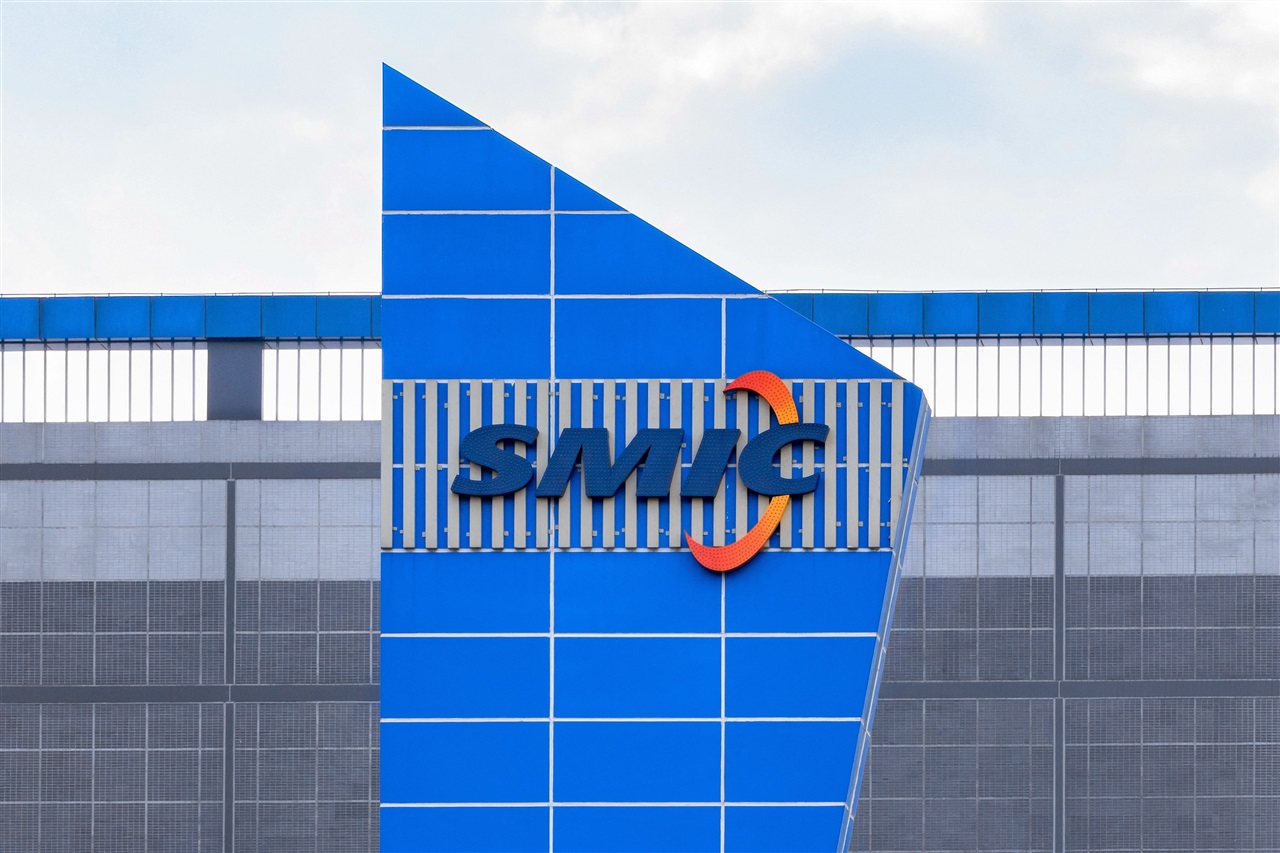
Chinese chipmakers are making waves as they boldly challenge the longstanding dominance of Korean memory giants. Companies like SMIC have crossed the $2 billion mark in quarterly revenue, signifying a remarkable transformation from a fledgling industry to a significant contender on the global stage. With government backing and the advantage of a vast domestic market, Chinese firms such as SMIC, YMTC, and CXMT are closing technological gaps and presenting aggressive pricing strategies.
The achievements of firms like SMIC, which has reached 7nm process capability despite US export controls, illustrate the progress being made. In the race for technological leadership, Morgan Stanley forecasts that China’s CXMT could capture over 10% of the DRAM market by 2024, signaling a rapid closing of ranks with established players like Samsung and SK Hynix. The Chinese semiconductor sector’s ambitions extend well beyond memory, with significant investments being poured into high-bandwidth memory, particularly for AI applications.
Simultaneously, the semiconductor landscape is tightening for Chinese firms as restrictions on access to advanced technologies harden. TSMC and Samsung have introduced a rigorous verification process for Chinese clients requiring 7nm chips. These restrictions, targeting high-performance AI chips, are part of broader US efforts to maintain control over semiconductor technology. Industry experts anticipate additional regulations, particularly after January 2025, potentially impacting everything from design to manufacturing equipment.
The decision by TSMC to suspend advanced AI chip production for Chinese customers marks another key moment in the US-China tech rivalry. This move, coupled with heightened US-China tensions and the specter of stricter sanctions, poses considerable challenges for China’s tech ambitions. Nonetheless, at Beijing’s IC China 2024, industry leaders demonstrated resilience, exploring alternatives through local supply chain development and new manufacturing techniques.
As the semiconductor titans shift focus, Qualcomm and MediaTek are pursuing distinct strategies beyond the mobile market. Qualcomm envisions a massive $900 billion edge computing market by 2030, directing efforts towards automotive and IoT sectors, while MediaTek leans towards cloud ASICs and networking services. Qualcomm’s technological edge, particularly in sectors like automotive and edge computing, is evident through initiatives like Copilot+ for PCs.
The ongoing self-regulation among major foundries, limiting China’s access to 14nm technology, hints at a potential future of stricter restrictions. This proactive move, alongside the classification of 14nm as an “advanced process” by the CHIPS Act, underscores the geopolitical stakes in semiconductor development.
Meanwhile, US Commerce Secretary Gina Raimondo is racing against time to secure critical semiconductor subsidies under the $50 billion CHIPS Act amid impending political changes. Her efforts aim to lock down significant investments before potential policy shifts could alter the landscape under a new administration.
In the memory segment, South Korean giants SK Hynix and Samsung are betting on high-bandwidth memory and AI technologies, channeling $44 billion into advanced manufacturing and upgrading existing facilities. The rapid rise of Chinese competitors such as CXMT, poised to become a leading DRAM supplier by 2026, adds urgency to these strategic investments. Surging AI demand further fuels the need for high-capacity memory, with projections for 2025 adjusted to accommodate these evolving market dynamics.
All these movements paint a vibrant picture of an industry on the brink of major transformations, driven by technological innovation, strategic positioning, and geopolitical forces.


