Why do so many Chinese smartphones pack massive batteries while Apple and Samsung tend to play it safer? Cost alone doesn’t explain it. A growing theory points to something less obvious but very practical: air-transport regulations in key markets like the US and EU.
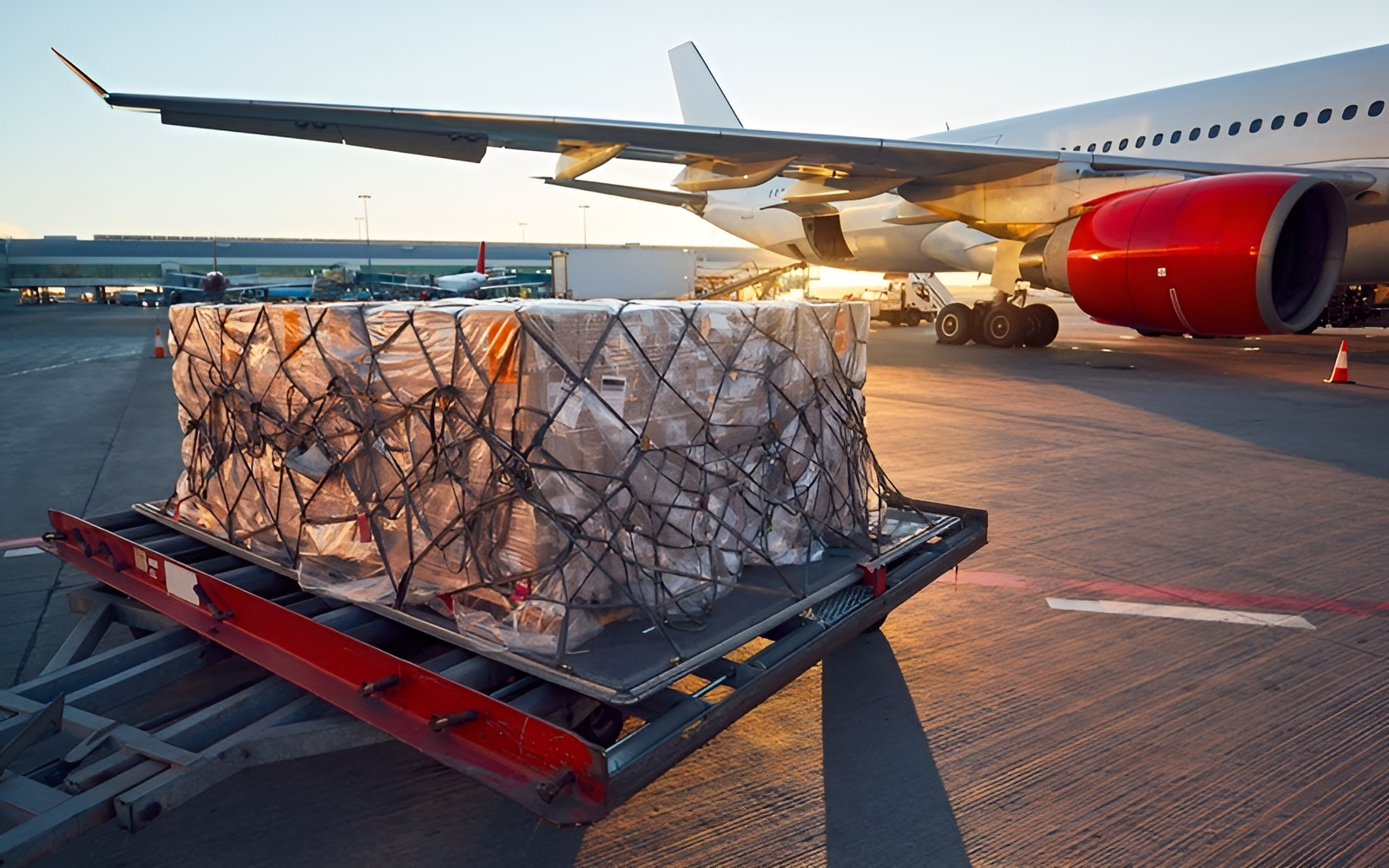
Here’s the gist. Lithium‑ion batteries above certain energy thresholds are treated as dangerous goods when shipped by air. That triggers extra paperwork, hazard labeling, special packaging, and more stringent handling—time and money that add up fast when you’re moving millions of devices worldwide. Brands with huge volumes in the US and EU have every incentive to keep battery energy below thresholds that invite tougher scrutiny.
A recent example illustrates this split. The vivo X300 Pro ships with a 6,510mAh battery in China and several other regions, but the EU version steps down to 5,440mAh. That kind of regional variance suggests logistics and compliance are shaping battery choices as much as engineering or price.
A well-known industry tipster has argued that air-safety rules are the main reason Apple and Samsung use comparatively modest capacities. And the idea holds water when you look at the IATA Battery Guidance for 2025, which uses the Watt-hour (Wh) rating—not just mAh—to determine how a product is handled in transit. In these rules, 20Wh is a critical figure for lithium-ion cells, with different thresholds and packaging requirements applying as energy increases.
If you’re curious how this translates to your phone:
– Convert mAh to Wh by dividing the capacity by 1,000 and multiplying by the nominal voltage (typically 3.7V).
– Example: a 4,000mAh battery at 3.7V equals 14.8Wh (4,000 ÷ 1,000 × 3.7 = 14.8).
As capacities climb—think 5,000mAh, 6,000mAh, and beyond—the Wh rating moves higher too, pushing devices into stricter shipping categories. That’s where logistics friction ramps up for companies shipping vast quantities across the Atlantic.
So why can Chinese brands push the envelope? Many sell a larger proportion of their phones domestically or in markets where logistics routes, shipping modes, or regulatory interpretations make it easier—or at least more economical—to move higher-capacity batteries. Meanwhile, Apple and Samsung’s heavy dependence on US/EU air freight makes streamlined compliance a business priority, which often translates into a tighter cap on battery energy.
None of this means Apple or Samsung are skimping without reason. It means their battery strategy is tuned to a global supply chain that must clear strict aviation safety rules. The next time your phone taps out near bedtime, remember there’s more at play than design philosophy. Air-safety compliance, shipping efficiency, and regulatory thresholds all help decide how much “juice” your smartphone carries from the factory.