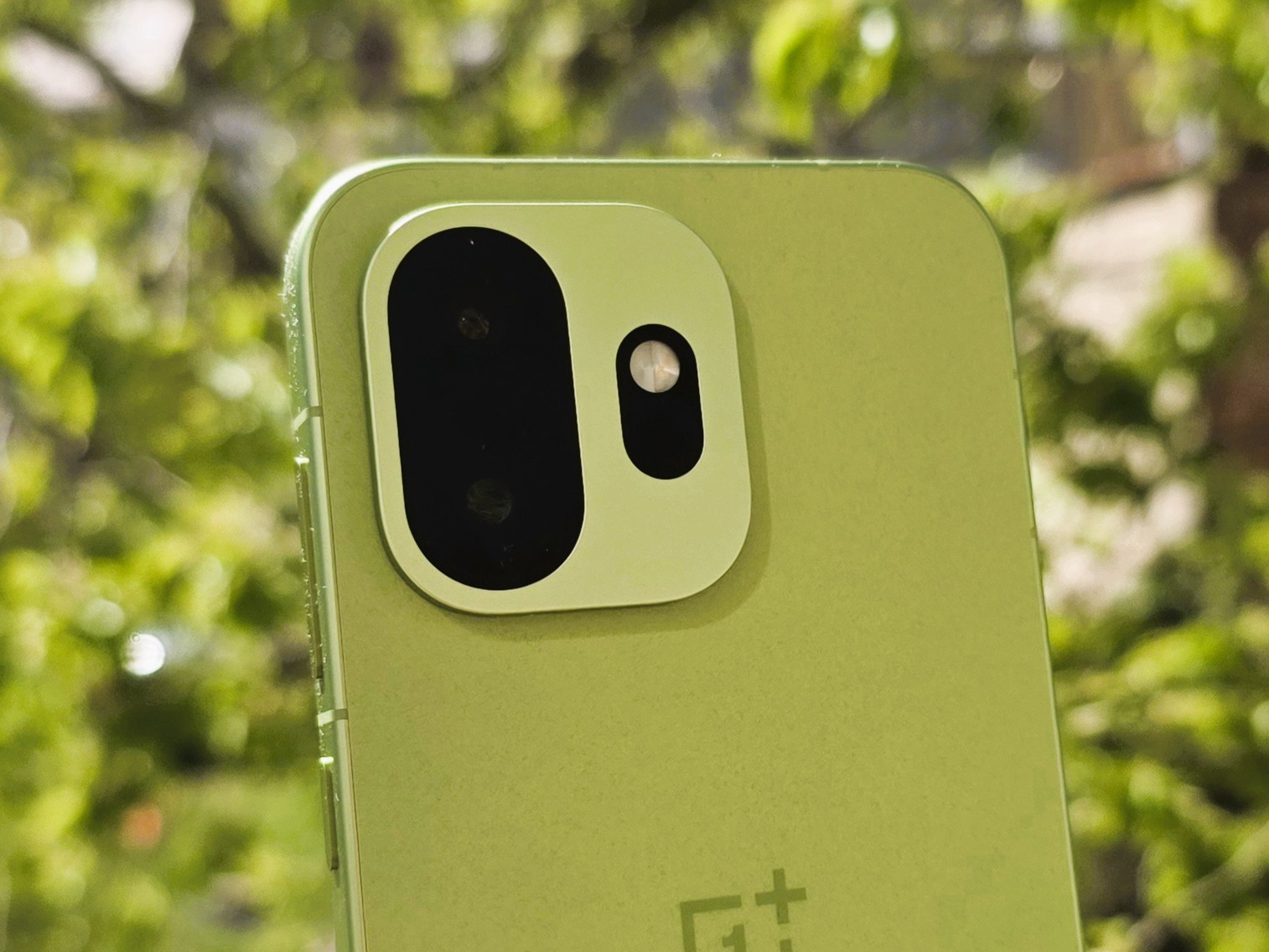
Importing the OnePlus 15T may look like a smart way to get a compact flagship Android phone with ultra-thin bezels at a potentially lower price, but the downsides of buying the China model are still hard to ignore, especially for buyers in Europe.
The biggest drawback is network compatibility. Since the OnePlus 15T isn’t officially sold in Europe, the imported version misses several LTE bands that can make a real difference in day-to-day use. One of the most important omissions is LTE band 20, which is widely used for long-range, wide-area coverage across many European regions. Without it, you may notice weaker reception or slower data in rural areas, smaller towns, and even inside certain buildings. On top of that, band 32 is also missing, which can be used as an extra download channel to boost 4G speeds. In short, even if the phone performs like a flagship on paper, your mobile experience may depend heavily on your carrier and location.
Software and ecosystem limitations are another concern. China versions of the OnePlus 15T do not support Wear OS, which is a major issue if you use popular Android smartwatches and want full app support, syncing, and seamless integration. For many buyers, that alone can be a dealbreaker, because it affects more than just the phone—it affects your entire wearable setup.
There’s also the eSIM problem. The imported OnePlus 15T doesn’t allow eSIM use, which is increasingly important for travelers, business users, and anyone who likes the flexibility of quickly adding a second line. The good news is that there may be a workaround: an eSIM adapter that fits into the physical SIM slot can potentially “fix” the issue and give you eSIM-like functionality. Still, it’s an extra step, extra cost, and not as straightforward as having native eSIM support out of the box.
Finally, warranty and service can be the most stressful part of importing. While statutory warranty claims can typically be made against the seller, real-world returns and repairs are often complicated when the device needs to go back to China. Shipping times, communication, and the overall process can be unclear compared to buying a phone that’s officially distributed in your region. If you purchased through TradingShenzhen, there is at least one practical advantage: for the first 12 months, a warranty claim can be handled by sending the OnePlus smartphone to a European shipping address, which may make the process simpler than dealing with international returns immediately.
The OnePlus 15T might be an appealing compact flagship with strong bargain potential, but importing it comes with trade-offs that matter: missing LTE bands, limited smartwatch compatibility, no native eSIM support, and a warranty process that may be more complex than most buyers expect. For anyone considering an import, it’s worth checking your carrier’s LTE bands, thinking about your wearable needs, and deciding how much risk you’re comfortable taking on service and support.