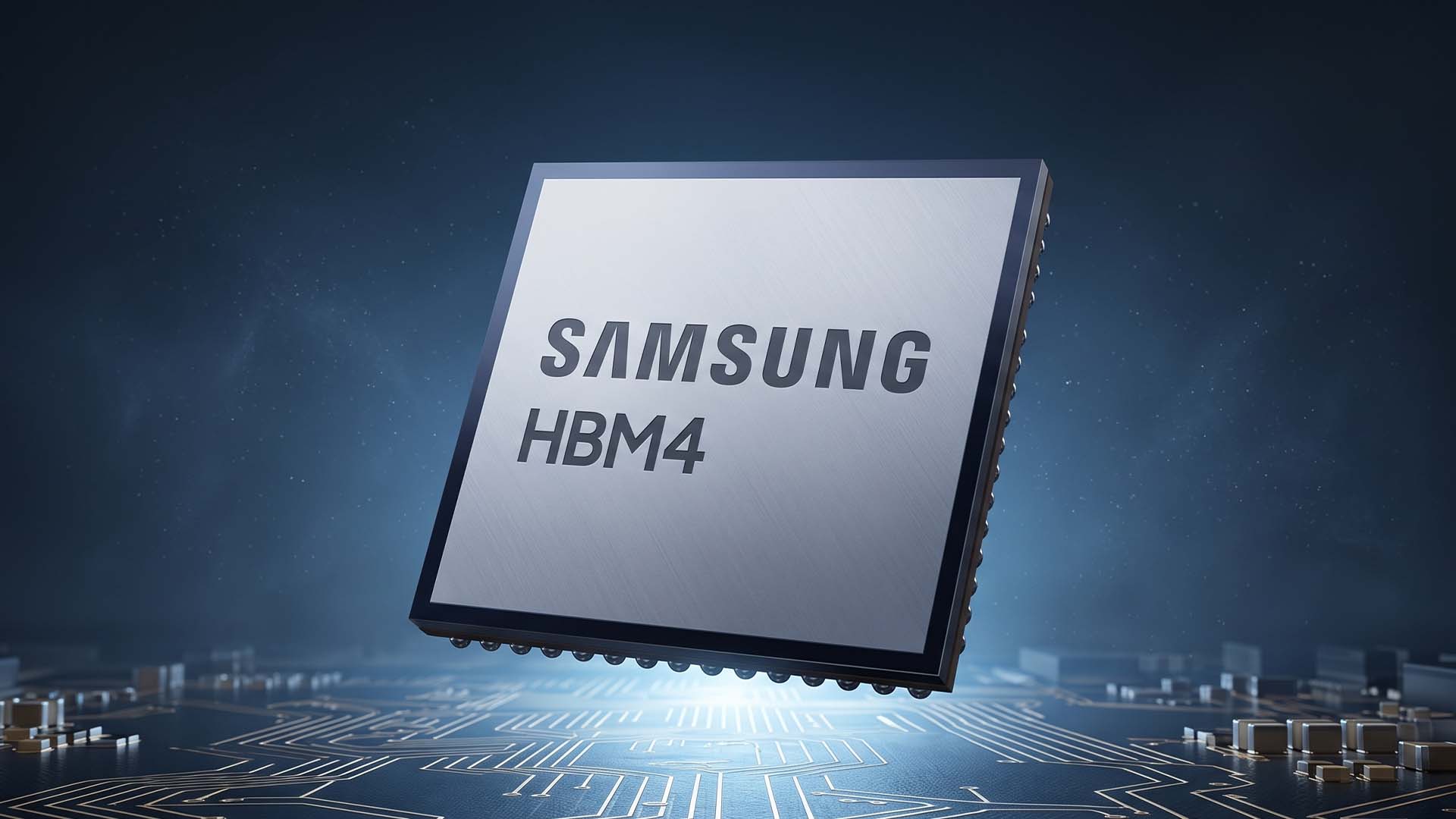
Samsung HBM4 Memory Could Cost Three Times More Than HBM3E as AI Demand Accelerates
Samsung’s high-bandwidth memory business is gaining fresh momentum, and its next major product could become one of the company’s most profitable chip offerings yet. The company is reportedly preparing to charge significantly more for HBM4, the next-generation memory technology expected to power future AI accelerators, data center GPUs, and advanced computing systems.
According to recent industry information, Samsung is negotiating HBM4 pricing at more than three times the level of its current HBM3E memory. The reported price per gigabyte for HBM4 is in the mid-to-high $4 range, while HBM3E is estimated to cost around $1.50 per gigabyte. If finalized, this would mark a major jump in average selling price and could strengthen Samsung’s position in the fast-growing AI hardware supply chain.
HBM, or high-bandwidth memory, has become one of the most important components in the artificial intelligence boom. AI chips require massive memory bandwidth to process large language models, generative AI workloads, and high-performance computing tasks. As companies race to build faster and more efficient AI servers, demand for advanced HBM products has surged.
Samsung’s current flagship memory product is HBM3E, but HBM4 is expected to deliver higher bandwidth and improved performance. That performance leap is likely one reason customers are willing to enter early negotiations despite the sharp price increase. For AI chipmakers and cloud infrastructure companies, faster memory can directly improve system performance, making HBM4 a critical component for next-generation platforms.
Another advantage for Samsung is how the HBM market operates. Unlike some memory products that are heavily exposed to short-term price swings, HBM supply is typically arranged through long-term annual contracts. Pricing and shipment volumes are negotiated well ahead of mass production, giving Samsung clearer visibility into future revenue.
The company is reportedly working to secure HBM4 supply agreements for 2027. After initial customer commitments are made, Samsung can plan production capacity more efficiently and move into detailed price negotiations. This contract-based structure could help the company lock in strong margins before large-scale manufacturing begins.
HBM has already played a key role in supporting Samsung’s chip business recovery, and HBM4 could further strengthen that trend. With AI-related demand continuing to rise, advanced memory is becoming a major profit driver for semiconductor companies. If Samsung succeeds in securing premium pricing and large customer orders, HBM4 could become a major “cash cow” for its memory division.
The reported pricing also highlights how valuable advanced memory has become in the AI era. While traditional DRAM markets can face oversupply and pricing pressure, HBM remains in tight demand due to the complexity of production and the limited number of suppliers capable of manufacturing it at scale.
For Samsung, the opportunity is especially important as some non-memory business segments are expected to weaken in the coming years. Industry forecasts suggest those divisions could see revenue decline from 6.74 trillion won, or about $5.1 billion, in 2025 to 3.92 trillion won, or around $2.95 billion, in 2026. If that downward trend continues into 2027, strong HBM4 sales could help offset pressure in other parts of the business.
The next phase will depend on how quickly Samsung can finalize HBM4 volume commitments and pricing with customers. If negotiations proceed as expected, the company could begin positioning HBM4 as one of its most important products for the AI computing market.
With higher bandwidth, premium pricing, and long-term supply contracts, Samsung’s HBM4 strategy shows how central advanced memory has become to the future of artificial intelligence infrastructure. As AI workloads grow larger and more demanding, HBM4 may become one of the key technologies shaping the next generation of data centers and high-performance computing systems.