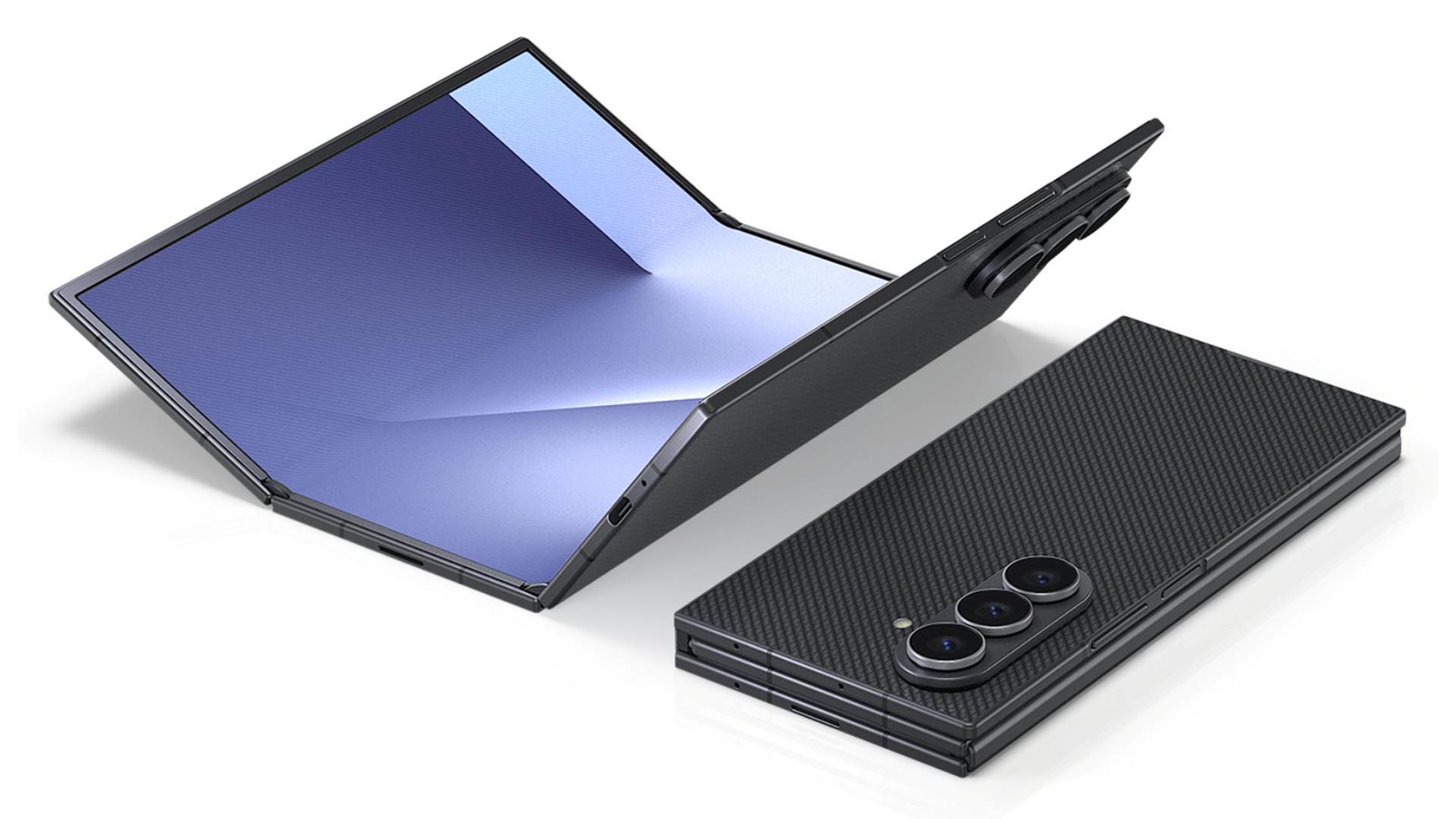
Samsung’s Galaxy Z TriFold is officially here, introducing a bold new triple-folding phone design that’s more “carefully curated” than mass-market—at least for now. While the form factor is grabbing attention, it isn’t expected to go mainstream overnight. That’s why Samsung is treating this first-generation device like a precision product: slow, controlled production, heavy inspection, and a major focus on durability so it can live up to the reliability people already associate with the company’s foldables.
The result is simple: the Galaxy Z TriFold is being made in very limited quantities, not because Samsung can’t build more, but because ramping up too quickly could lead to defects, higher costs, and a potential hit to its reputation. For a brand-new triple-fold category, Samsung appears to be prioritizing long-term trust over short-term volume.
Early sales have been lightning fast—reportedly selling out in about five minutes for the first batch, with the next shipment disappearing in roughly two minutes. That sounds like a blockbuster launch, but the bigger story is how small the supply likely is. Industry estimates suggest only around 3,000 to 4,000 units have been sold so far, and total global production may stay in the range of 30,000 to 40,000 units. In other words, demand exists, but scarcity is doing a lot of the heavy lifting behind the “sold out” headlines.
These numbers are tiny compared to Samsung’s more established foldables like the Galaxy Z Fold 7 and Galaxy Z Flip 7, which have performed strongly enough to trigger a sizable base salary bonus for employees in Samsung’s Mobile Experience division. With the TriFold, the company’s priorities are different: instead of pushing for scale, it’s trying to avoid the durability and quality issues that can show up when complex devices are produced too quickly.
A triple-fold phone is inherently harder—and more expensive—to build. Two hinges add more mechanical points that must withstand years of opening and closing. Multiple premium OLED panels drive costs up fast. And the overall complexity increases the chance that something goes wrong during manufacturing if output is rushed. Samsung reportedly believes that expanding production aggressively would invite more manufacturing defects, which would then raise costs even further through waste, repairs, and returns.
Ironically, keeping production low creates its own financial pressure. Smaller runs tend to increase per-unit component costs, because you lose some of the efficiencies that come with high-volume manufacturing. That helps explain why Samsung appears to have made a few strategic compromises to keep the device from becoming even more expensive. One reported example is the decision to use the Snapdragon 8 Elite rather than Qualcomm’s newest top-tier chip. There are also signs the camera system may have been scaled back from earlier prototype ideas—such as prototypes rumored to feature four primary cameras, while the retail version arrived with three.
Pricing is clearly a sensitive subject for a device like this. During the unveiling, a Samsung executive described the final price as something reached only after “cutting and cutting again,” hinting that margins may be extremely thin. That makes sense when you factor in the expensive bill of materials, especially with high-end panels, intricate hinge engineering, and premium internals.
Samsung also has to navigate broader supply challenges. Ongoing DRAM constraints are expected to continue for quite a while, with projections suggesting the shortage could persist until late 2027. For a niche, component-heavy device like a triple-fold smartphone, supply limitations can further complicate efforts to scale production, even if demand grows.
For now, the Galaxy Z TriFold looks like Samsung’s careful first step into a new category—one where quality control and durability matter as much as innovation. Over time, as the technology matures and manufacturing becomes more efficient, higher production volumes should become more realistic. But in this first generation, Samsung appears determined to keep the rollout cautious, controlled, and as close to “no compromises” as possible—even if that means most people won’t be able to buy one right away.