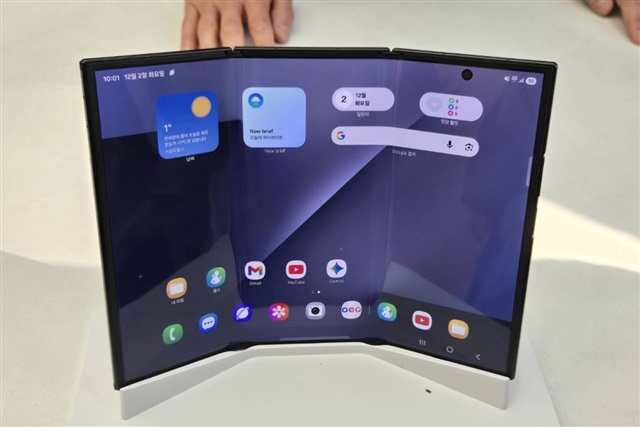
Samsung Galaxy Z TriFold Sets the Stage for a Bigger Foldable Push in 2027
Samsung’s first tri-fold smartphone, the Galaxy Z TriFold, made a strong impression in 2025 despite its extremely limited availability. The device reportedly sold out several times, showing clear consumer interest in a phone that can unfold into a much larger screen experience. However, with global shipments estimated at only around 30,000 units, the Galaxy Z TriFold was never meant to be a mainstream bestseller. Instead, it served as a bold preview of where Samsung’s foldable phone strategy may be heading next.
The Galaxy Z TriFold stood out because it pushed beyond the familiar book-style foldable design seen in current Galaxy Z Fold models. By using a tri-fold structure, Samsung explored a form factor that could offer tablet-like usability while still fitting into a pocketable smartphone design. That kind of innovation is important as the foldable smartphone market becomes more competitive and consumers look for devices that offer more than minor yearly upgrades.
Even though demand appeared strong, the limited production volume suggests Samsung was carefully testing the market. A tri-fold phone is far more complex to build than a standard foldable. It requires advanced hinge engineering, durable flexible display materials, reliable software optimization, and a supply chain capable of handling new manufacturing challenges. For a first-generation product, keeping shipments low allowed Samsung to measure real-world interest while avoiding the risks of mass-producing a device that is still in its early stages.
The next major step is expected to arrive in the second half of 2027, when Samsung is believed to be preparing a second-generation Galaxy Z TriFold. This future model could focus on the areas that matter most for foldable adoption: a thinner body, stronger durability, improved hinge technology, and better readiness for larger-scale production.
A slimmer design would be especially important. One of the biggest challenges for multi-fold devices is thickness. When a phone has multiple hinges and display sections, it can become bulky when folded. If Samsung can make the next Galaxy Z TriFold thinner and lighter, it would instantly become more appealing to users who want a futuristic phone without sacrificing everyday comfort.
Durability will also be a major focus. Foldable phones have improved significantly over the years, but tri-fold devices add another layer of complexity. More moving parts mean more pressure on the hinges, display layers, and internal structure. A stronger second-generation model could help convince more buyers that tri-fold phones are not just impressive prototypes, but reliable daily-use devices.
Mass production capability may be the most important factor of all. The first Galaxy Z TriFold proved that interest exists, but limited supply kept it out of reach for most consumers. If Samsung can improve production efficiency by 2027, the next model could launch in larger quantities and reach more markets. That would mark a major shift from experimental luxury device to a more serious product category.
The Galaxy Z TriFold also highlights Samsung’s broader ambition in the foldable smartphone market. While traditional smartphones have become increasingly similar, foldables still offer room for dramatic design changes. A successful tri-fold device could appeal to professionals, mobile gamers, content creators, and productivity-focused users who want a larger display without carrying a separate tablet.
For now, the original Galaxy Z TriFold remains more of a technology showcase than a mass-market product. Still, its repeated sellouts suggest that Samsung may have identified a promising new direction. If the company can solve the challenges of thickness, durability, and production scale, the second-generation Galaxy Z TriFold expected in 2027 could become one of the most important foldable phone launches of the decade.


