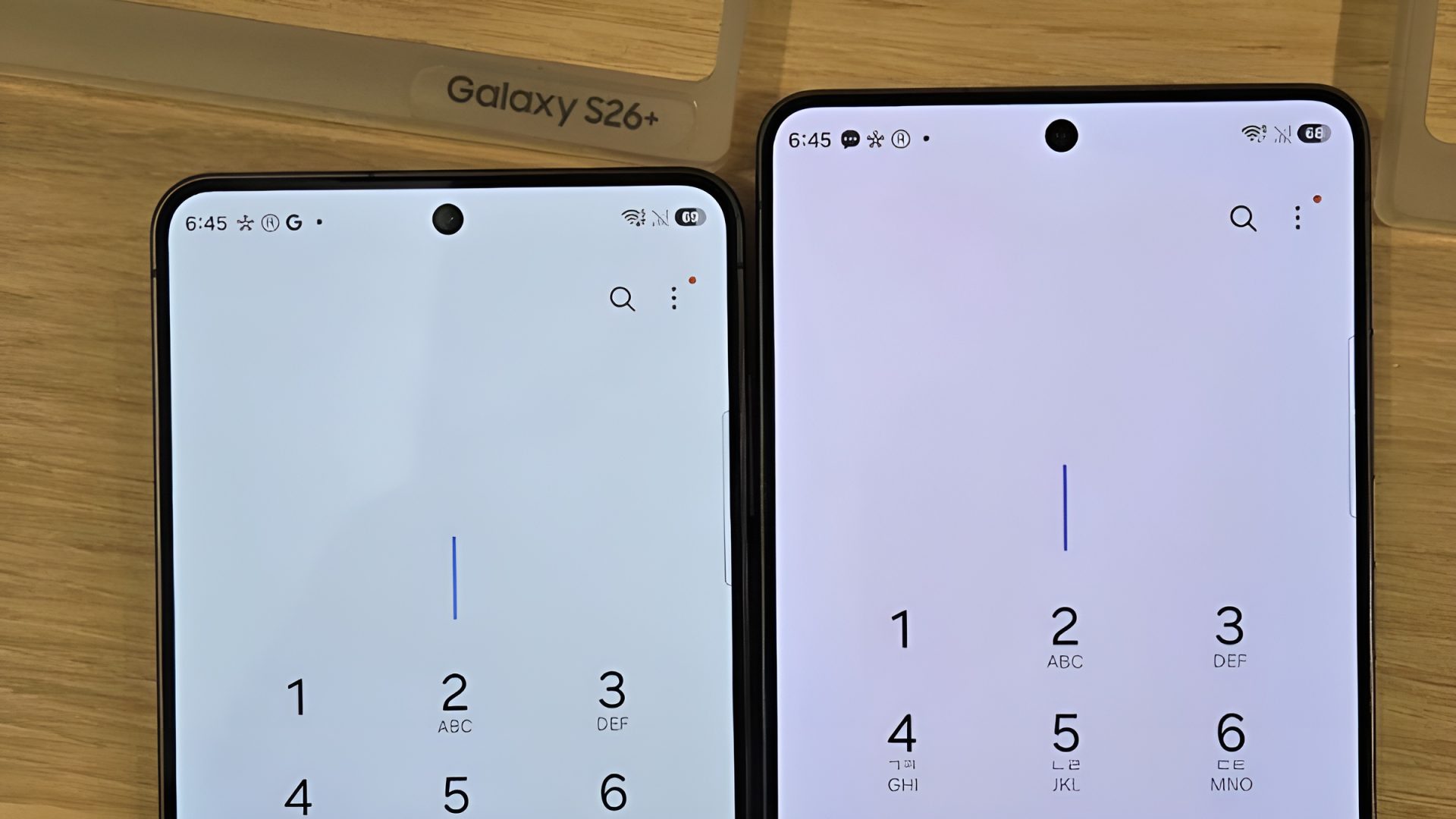
Samsung Galaxy S26 Ultra Red Tint Issue Raises Questions About New OLED Privacy Display
Samsung is known for pushing smartphone display technology forward, especially with its premium OLED panels. From vibrant color reproduction to high brightness and advanced form factors, the company’s screens are often seen as a benchmark for the mobile industry. However, a new display concern involving some Galaxy S26 Ultra units is now drawing attention, just as Samsung is reportedly preparing for more ambitious foldable, slidable, and rollable devices.
According to reports from South Korea, some Galaxy S26 Ultra users have noticed a reddish tint appearing around the center area of the display. The issue does not appear to affect every unit, but the complaints have been significant enough for Samsung to acknowledge the matter and begin an internal investigation.
At this stage, Samsung has not confirmed what is causing the red tint on affected Galaxy S26 Ultra screens. However, one feature is already being discussed as a possible factor: the Privacy Display.
The Galaxy S26 Ultra is said to use Samsung’s Flex Magic Pixel OLED technology for its Privacy Display feature. This technology is designed to limit screen visibility from side angles, helping users keep sensitive content hidden from people nearby. When activated, a liquid crystal layer inside the display changes its state, altering the way light passes through the panel. As a result, the screen becomes much harder to view from the sides while remaining visible to the person looking straight at it.
While that sounds useful, the complexity of this display system may be why some observers are looking at it as a potential source of the red tint issue. Still, there is no official confirmation that the Privacy Display is responsible.
Another possible explanation is OLED burn-in or uneven pixel aging. OLED panels work by lighting individual pixels, and over time, certain pixels can wear down at different rates. This can sometimes lead to discoloration, ghosting, or uneven color patches. If the red tint is linked to pixel degradation, the issue could be hardware-related rather than tied to a specific software feature.
The timing is especially important for Samsung. The company has spent years showing off futuristic display concepts, including rollable OLED panels that can expand or slide out to create a larger screen. Samsung has also been associated with the Galaxy Z Roll name for years, suggesting long-term interest in bringing a rollable phone to market.
Recent reports indicate that Samsung may be accelerating development of a slidable or rollable smartphone, possibly while adjusting plans for future foldable models. One rumored device, the Galaxy Z TriFold 2, may face delays as Samsung works to improve its hinge design, reduce thickness, and lower overall weight.
That makes the Galaxy S26 Ultra display issue more than just a routine quality-control concern. If Samsung is preparing to launch experimental devices with even more advanced screen designs, consumer confidence in its OLED technology will be crucial. First-generation products such as rollable phones are already viewed as risky by many buyers, largely because moving display parts and flexible panels introduce new durability questions.
A visible red tint on a flagship phone could make some consumers more cautious, especially if the cause remains unclear. Samsung will likely need to identify the problem quickly, explain whether it affects a small batch or a wider range of units, and offer a solution for impacted users.
For now, Galaxy S26 Ultra owners who notice unusual red discoloration on their display should monitor whether it appears constantly, only at certain brightness levels, or only when privacy-related display features are active. These details may help determine whether the issue is caused by software behavior, display calibration, the Privacy Display layer, or the OLED panel itself.
Samsung’s display technology remains among the most advanced in the smartphone market, but this situation shows how difficult it can be to scale cutting-edge features across mass-produced devices. As the company moves toward rollable and slidable phones, reliability will matter just as much as innovation.


