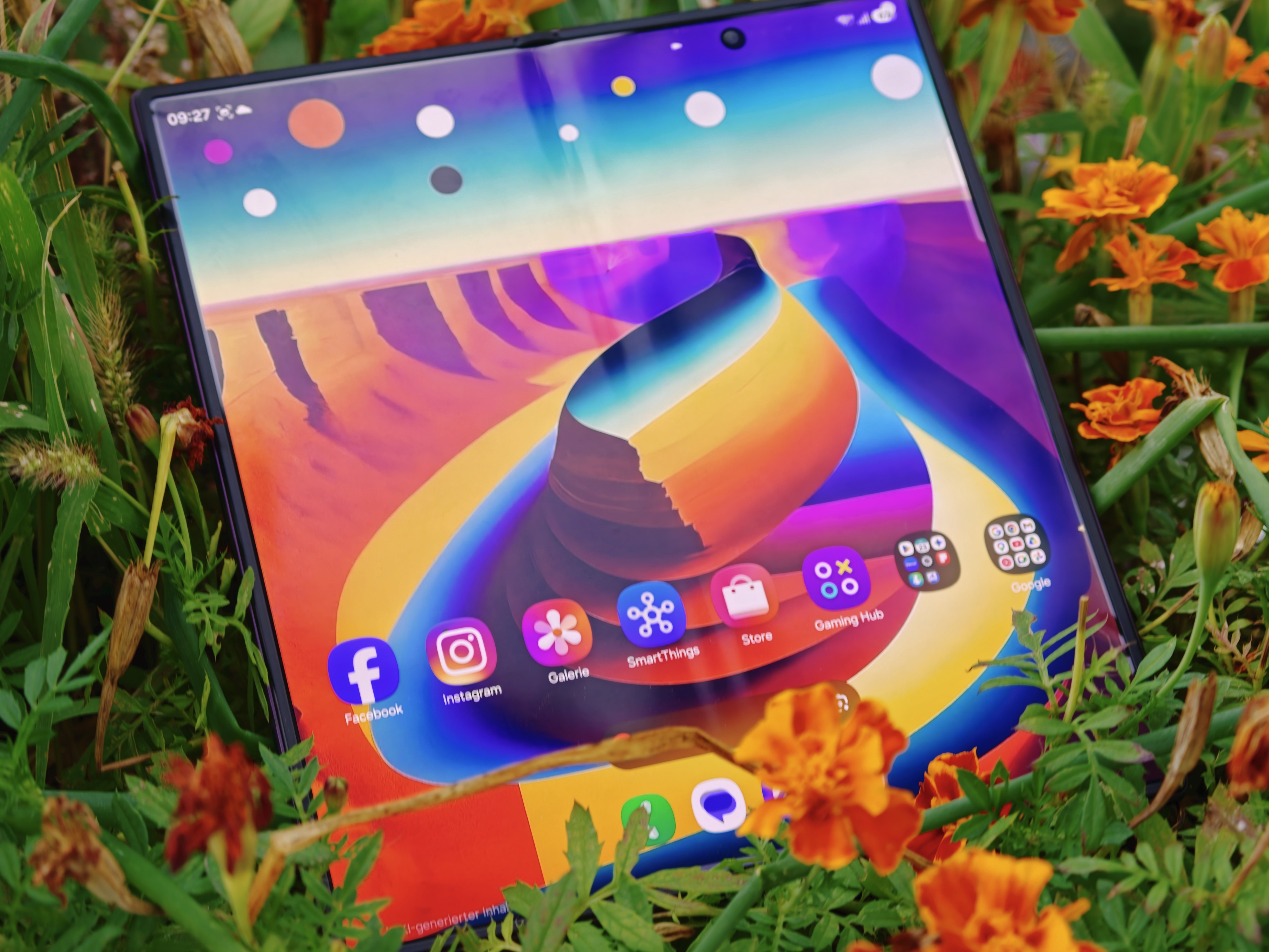
Samsung’s Galaxy Z Fold8 Ultra Faces Tough Competition in Foldable Display Comfort
The premium foldable phone market is moving fast, and display comfort is becoming a major battleground. While Samsung continues to refine its Galaxy Z Fold lineup with sharper and brighter screens, rival brands such as Honor, Vivo, and Motorola are pushing harder in an area that matters to many users: OLED flicker reduction.
For people sensitive to screen flicker, PWM dimming frequency can make a big difference. Lower-frequency PWM can cause eye strain, headaches, or visual discomfort for some users, especially when using a phone in dim lighting or at lower brightness levels. That makes display dimming technology an increasingly important feature in flagship foldable smartphones.
Honor currently appears to have one of the strongest advantages in this area. The Honor Magic V6 operates with a very high PWM dimming frequency of 4,320 Hz, making it one of the more eye-friendly foldable displays among current premium models. This high frequency helps reduce visible flicker and can offer a more comfortable viewing experience for users who spend long hours reading, browsing, gaming, or watching videos on their phone.
Vivo is also making progress with its premium foldable display technology. The Vivo X Fold6 uses a PWM dimming frequency of 1,920 Hz, which is lower than Honor’s implementation but still significantly ahead of many competing OLED panels. For users who prioritize eye comfort, Vivo’s approach places it among the better options in the foldable segment.
Motorola takes a slightly different route with the Razr Fold. By default, it relies on DC dimming, which can be easier on the eyes at higher brightness levels. However, when brightness drops below 30 percent, the phone automatically switches to PWM dimming at 720 Hz. While this is not as advanced as Honor or Vivo’s higher-frequency solutions, Motorola still offers a more flexible approach than some competitors.
Samsung, meanwhile, may have reason to be concerned. The Galaxy Z Fold8 Ultra improves on its predecessor with a foldable main display that is slightly sharper and brighter, but its PWM dimming performance has not meaningfully advanced. In a market where Chinese manufacturers are rapidly improving display comfort, Samsung’s lack of progress in this specific area could disappoint users who are sensitive to OLED flicker.
The Galaxy Z Fold8 Ultra remains a premium foldable with strong overall display quality, but brightness and sharpness are no longer the only factors buyers care about. Eye comfort, flicker reduction, and advanced dimming technology are becoming key selling points, especially as foldable phones are increasingly used as productivity devices, entertainment screens, and reading tablets.
Among the foldables compared, the Honor Magic V6 currently offers the most eye-friendly display experience thanks to its 4,320 Hz PWM dimming. The Vivo X Fold6 follows with its 1,920 Hz frequency, while Motorola’s Razr Fold sits behind them with its hybrid DC dimming and 720 Hz PWM behavior at low brightness. Samsung’s Galaxy Z Fold8 Ultra, despite its premium positioning, falls short in this important technical area.
As foldable smartphones continue to evolve, Samsung will need to do more than deliver brighter and sharper panels. If the company wants to stay ahead in the high-end foldable market, improving PWM dimming and reducing OLED flicker should become a priority for future Galaxy Z Fold models.