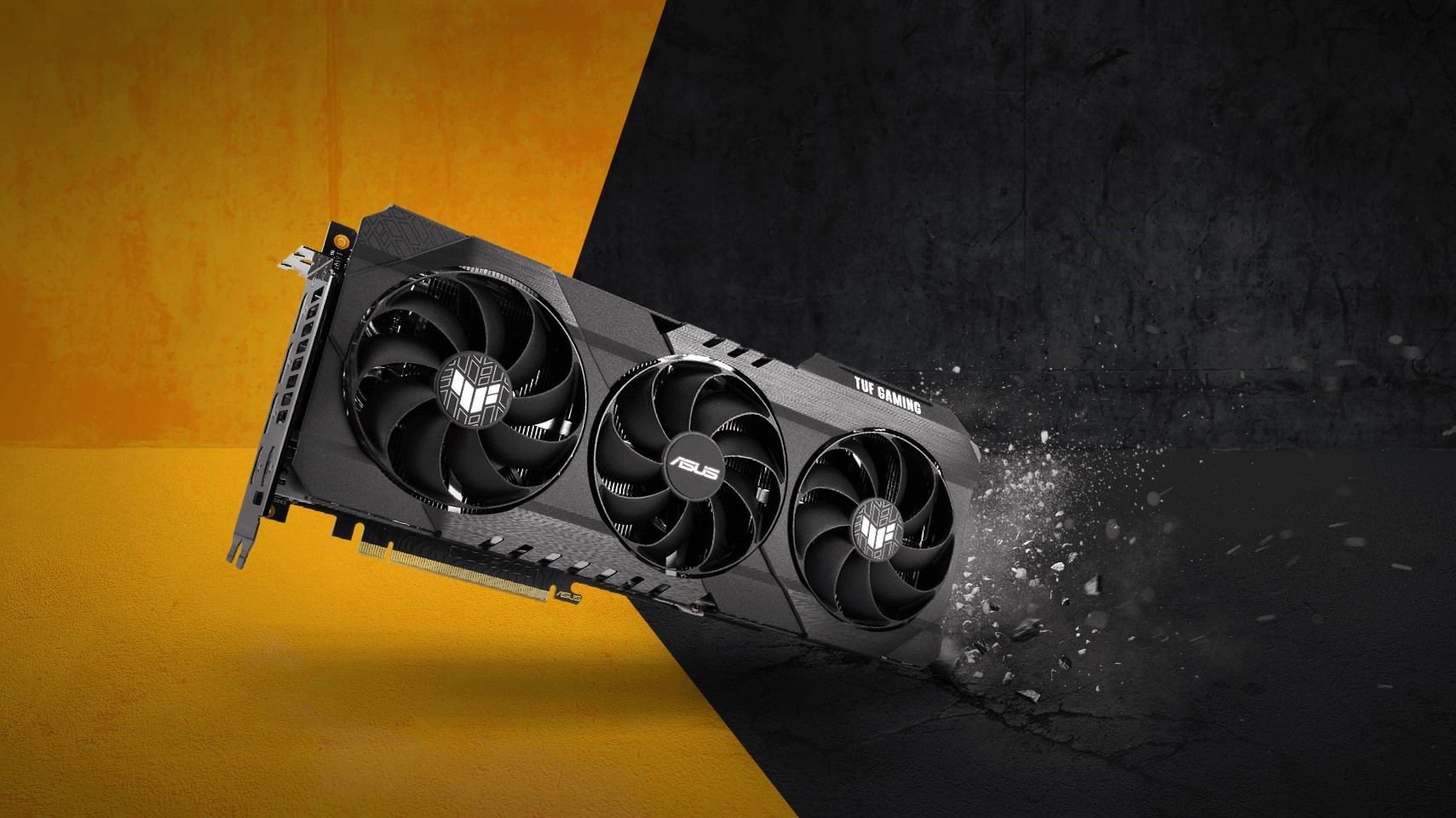
ASUS RTX 4090 Owner Says Warranty Claim Ended With Refund After GPU Was Disposed Of
A PC gamer has shared a frustrating warranty experience after sending an ASUS GeForce RTX 4090 in for repair or replacement, only to be told later that the graphics card had already been disposed of by the service center.
The case involves Reddit user u/SharpLoquat579, who reported that his ASUS RTX 4090 began suffering from serious thermal issues after nearly three years of use. According to the user, the high-end GPU started thermal throttling and causing black screens during heavy workloads, especially when running demanding tasks involving features like ray tracing.
The problem appeared to be related to extreme hotspot temperatures. While the average GPU temperature reportedly stayed below 70°C, the hotspot temperature climbed as high as 112°C. That is a gap of more than 40°C between the GPU core temperature and hotspot reading, which strongly suggests a cooling or contact issue severe enough to trigger instability.
As the warranty was close to expiring on September 5, 2026, the user sent the graphics card back to retailer Galaxus on August 27. The expectation was that the card would either be repaired or replaced under warranty. According to the user, they specifically selected a repair or replacement option rather than a reimbursement.
However, the situation took an unexpected turn. Galaxus later informed the user that the service center had determined the RTX 4090 could not be repaired. The retailer also said that, under its policy, devices considered beyond repair are properly disposed of as electronic waste. In this case, the card had already been discarded before the customer was informed.
Galaxus reportedly told the customer that because the GPU was no longer repairable, the company would proceed with a full refund instead.
While receiving a full refund may sound fair at first glance, the user’s frustration is understandable. The GeForce RTX 4090 has become significantly more expensive and harder to find than it was at launch. Nvidia’s flagship Ada Lovelace graphics card originally launched at around $1,599, but current market prices can be much higher, often reaching roughly $3,000 to $4,000 depending on availability, model, and retailer.
That means a refund based on the original purchase price may not be enough to buy an equivalent replacement today. For someone who wanted their RTX 4090 repaired or replaced, the outcome effectively leaves them without the same level of GPU performance unless they pay a substantial amount extra.
The incident has sparked discussion among PC hardware enthusiasts about how warranty claims should be handled, especially for expensive components like flagship graphics cards. Many users argue that a customer should be clearly informed before a product is destroyed, particularly when the item is still valuable, rare, or costly to replace.
The RTX 4090 remains one of the most powerful consumer graphics cards available, and its high resale and replacement value makes warranty handling especially important. For PC builders, this situation is a reminder to carefully document all warranty requests, keep records of communication, and confirm repair, replacement, or refund policies before sending in expensive hardware.
In this case, the customer is getting money back, but not the resolution they originally requested. For a GPU that still commands premium pricing years after launch, a refund may not feel like a true replacement.