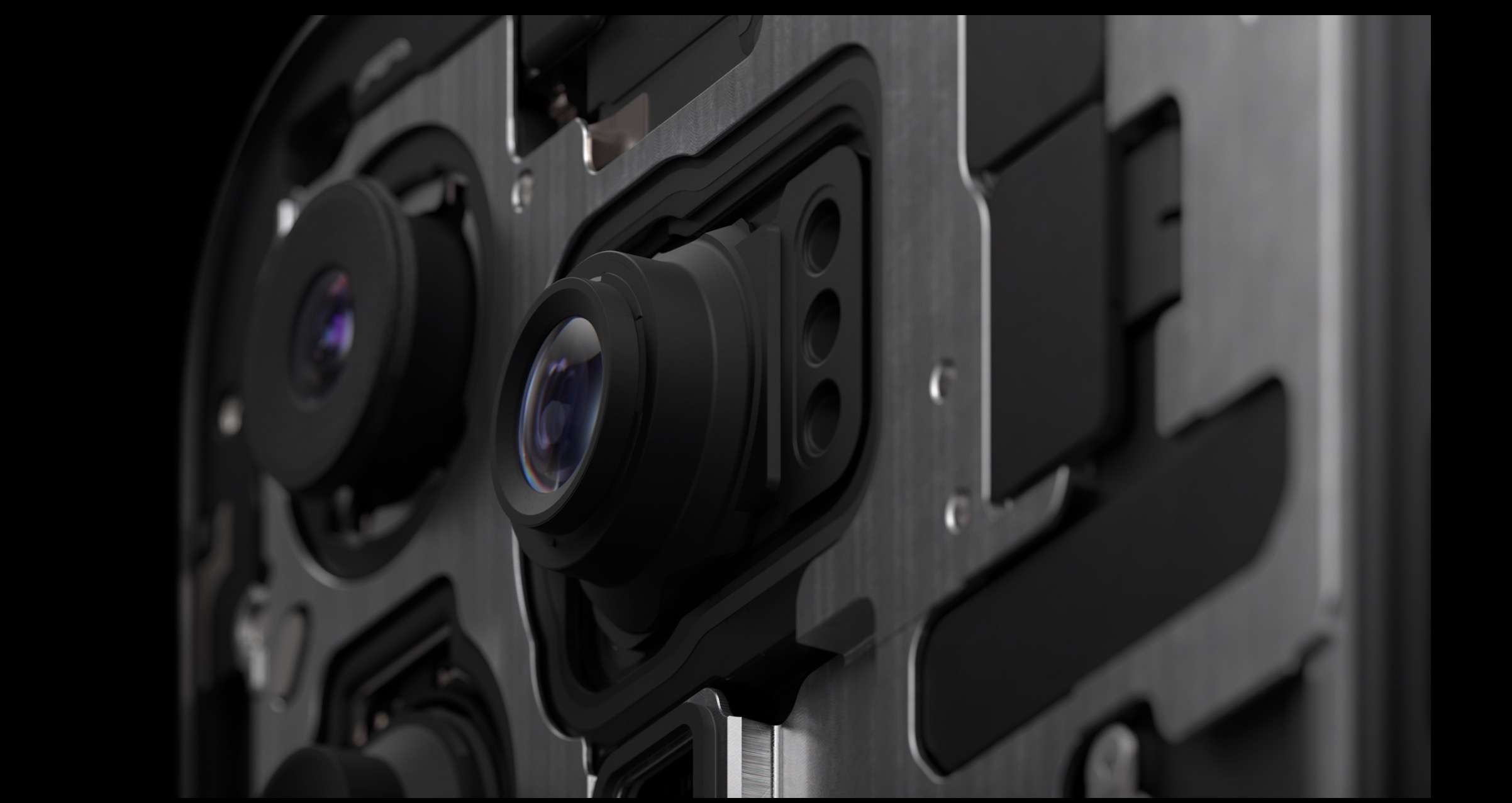
Apple has long leaned on Sony for iPhone camera sensors, but relying on a single supplier isn’t a sustainable strategy forever. Diversifying the camera supply chain has been on the table, and Samsung—already a key partner for displays, DRAM, and NAND—was widely expected to enter the mix with 48MP sensors for the iPhone 18 series. That shift now appears delayed. According to analyst Ming-Chi Kuo, full-scale production of Samsung’s iPhone camera sensors has likely slipped to 2027.
This change doesn’t end the plan, but it reshapes the rollout. Rather than debuting in Apple’s most expensive models, Samsung’s components are expected to start with ultrawide sensors in mid- to lower-tier iPhones. If performance and yields meet Apple’s standards, the technology would then move up to flagship devices. It’s a measured approach that lets Apple validate image quality, autofocus reliability, low-light performance, and image processing consistency before expanding adoption.
The sensor in question has been rumored as a 3-stack CMOS design, a next-generation architecture that typically promises better dynamic range, improved low-light results, and faster readout speeds—key upgrades for photography and high-frame-rate video. For Samsung, landing camera business alongside its existing iPhone display and memory orders would open a new revenue stream and justify deeper investment in sensor R&D. For Apple, bringing another top-tier supplier into the camera pipeline could improve component pricing, reduce risk, and accelerate innovation.
Kuo did not specify why the schedule moved, but Apple’s playbook suggests a familiar pattern: introduce new silicon in less costly models first, gather real-world data at scale, then roll it into the flagships once it’s fully refined. That’s similar to how Apple reportedly staged its in-house modem program, with the C1 appearing in the iPhone 16e ahead of broader deployment and a future C2.
For now, Sony remains Apple’s exclusive camera sensor supplier. If Samsung clears Apple’s bar on performance and reliability over the next couple of years, the iPhone lineup could see a notable camera shake-up in 2027—one that benefits image quality, strengthens supply resilience, and potentially accelerates the pace of photography upgrades across both premium and mainstream iPhones.