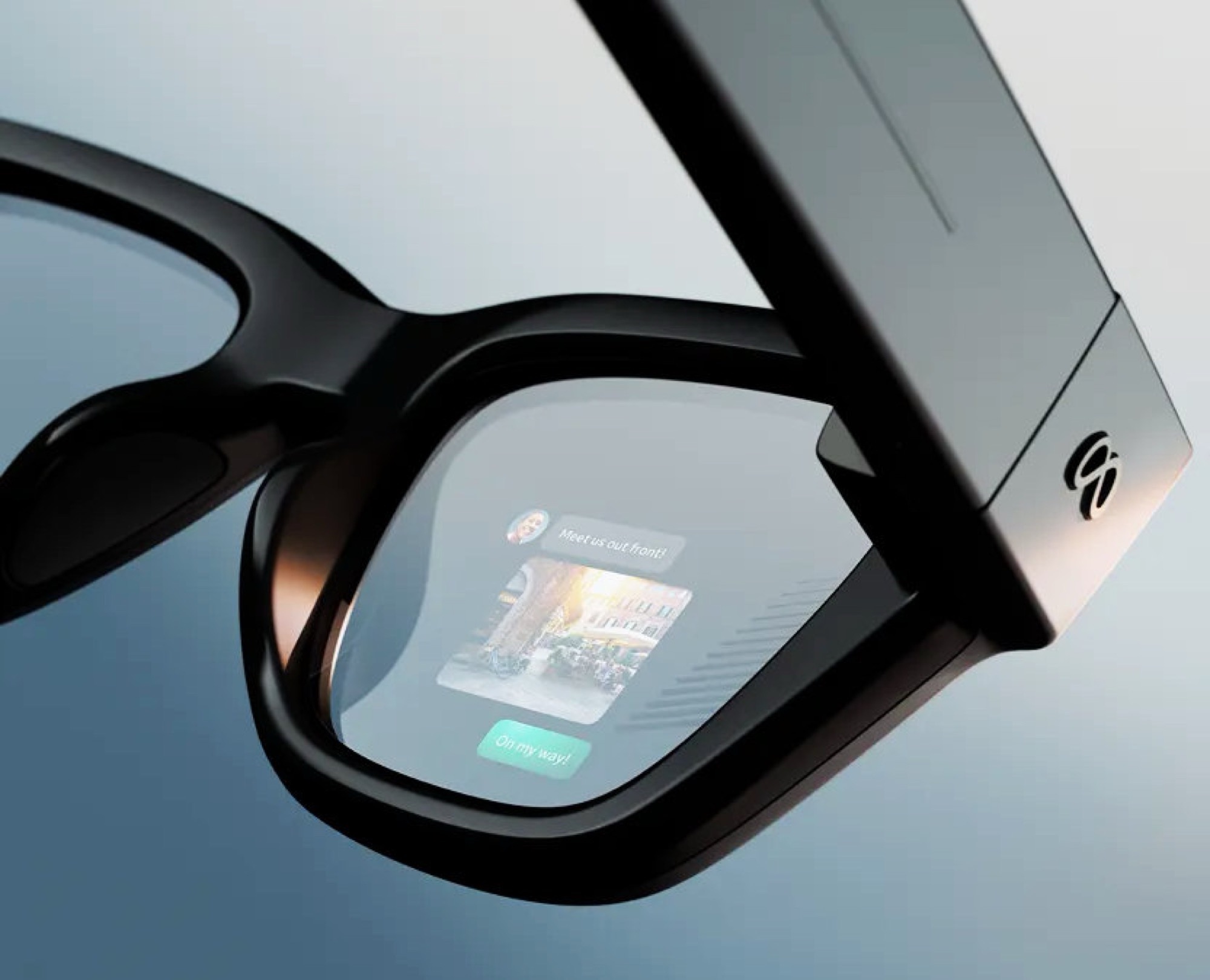
AI glasses are quickly becoming one of the biggest new trends in consumer tech, and Samsung is now moving closer to launching its own take on the category. After announcing a partnership last year with Google, Gentle Monster, and Warby Parker, the company has finally shared a few more hints about what to expect from its upcoming AI-powered smart glasses.
According to comments shared in an interview with CNBC, Jay Kim, Executive Vice President in Samsung’s mobile business, revealed that the glasses will include a camera positioned at eye level. That design choice lines up with what most people expect from modern smart glasses, since the camera is central to features like capturing photos and videos, recognizing objects, and enabling AI assistance based on what you’re seeing.
However, there’s an important detail that could set Samsung’s AI glasses apart from some competitors: they likely won’t include a built-in display. Instead of processing everything on the glasses themselves, Samsung’s approach is expected to rely on a smartphone connection, with the phone handling much of the processing for any data captured by the camera. While Kim didn’t outright say “there is no display,” he strongly suggested that users who want a display-based experience can look to other Samsung products that already offer screens.
That would be a noticeably different direction from smart glasses that mix AI features with on-lens visuals. For example, there are already smart glasses options on the market that include a display for overlays and AR-style information. Samsung’s rumored decision to skip the display could help keep the glasses lighter, simpler, and potentially more comfortable for everyday wear—especially for users who primarily want hands-free AI features rather than full augmented reality visuals.
As for timing, Samsung says it’s aiming to launch the AI glasses sometime this year, though no exact release date or launch window has been confirmed yet.
On the hardware side, earlier research shared in late 2024 pointed to several possible specifications, including a Qualcomm AR1 processor, a Sony IMX681 12-megapixel camera, a 155 mAh battery, and an estimated weight of around 50 grams. The AI side is expected to be powered by Google Gemini, which could enable features like real-time assistance, contextual suggestions, and smarter capture tools tied to what the camera sees. That same earlier rumor also mentioned a Q3 2025 release window, which didn’t happen, but the newest update suggests Samsung’s plans are still active and moving forward.
If Samsung delivers a polished, camera-first AI glasses experience without a built-in display, it could appeal to people looking for something more practical than flashy—an everyday wearable designed around AI help, quick capture, and phone-connected convenience rather than a full AR headset replacement.