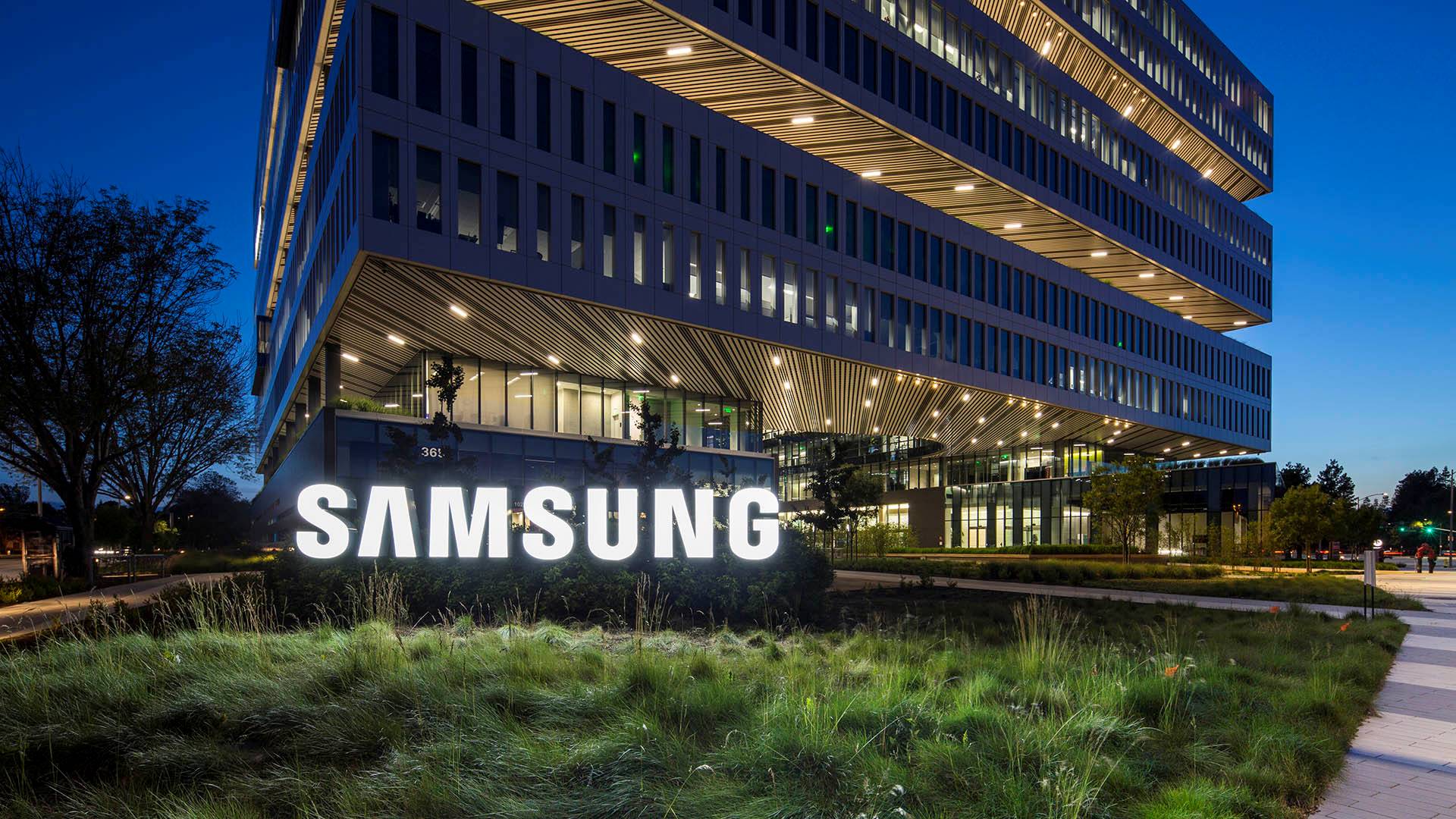
Samsung has officially joined the exclusive trillion-dollar club, powered by the same force reshaping the entire tech landscape: booming AI demand that’s pushing data centers to buy more memory than ever. With memory chips now sitting at the heart of modern computing, Samsung’s valuation surge is being driven by a global scramble for DRAM and related products that fuel everything from AI servers to smartphones.
According to CompaniesMarketCap’s latest figures, Samsung is now valued at about $1.21 trillion. That milestone doesn’t just look impressive on paper; it also places Samsung within striking distance of Tesla’s valuation and positions the company to potentially claim a spot among the world’s ten most valuable businesses.
The momentum isn’t coming from hype alone. Samsung’s latest results underline just how powerful the current memory cycle has become. In Q1 2026, the company’s semiconductor division reportedly posted an eye-popping 48x year-over-year jump in operating profit, propelled by record demand for memory products. Across the broader business, total operating profit surged 756 percent compared to the same period a year earlier, highlighting how strongly the chip rebound is feeding through to Samsung’s bottom line.
One of the most talked-about takeaways from Samsung’s earnings discussion was the company’s claim that conventional DRAM is currently generating higher profits than HBM (high-bandwidth memory). That might sound counterintuitive given how closely HBM is associated with AI accelerators, but Samsung pointed to a practical reason: traditional DRAM pricing is being negotiated quarterly, allowing manufacturers to capture rapid price increases faster, while HBM pricing is often locked in annually, limiting short-term upside during a sharp pricing upswing.
Market pricing signals suggest those increases have been dramatic. Recent industry commentary has indicated LPDDR5 contract pricing has been hovering around $10 per GB after roughly tripling since Q1 2025, with expectations that upward pressure could persist well into 2027. At the same time, projections for mobile DRAM pricing in Q2 2026 suggest quarter-over-quarter gains in the neighborhood of 93 percent to 98 percent. If you use $10 per GB as a baseline, that implies an effective range of roughly $19.3 to $19.8 per GB for the next quarter, depending on final negotiated outcomes.
Longer-term contracts are also reflecting how volatile and valuable DRAM supply has become. Another report notes memory vendors are signing long-term agreements with pricing bands that translate to about $500 to $1,350 per 64GB of DRAM. On a per-GB basis, that’s roughly a floor near $7.8 and a ceiling around $21, reinforcing just how wide the pricing landscape can be as buyers compete for guaranteed supply.
With those kinds of market dynamics, it’s not hard to see why profit forecasts are turning heads. Analysts at KB Securities reportedly expect Samsung to generate operating profit of 327 trillion won (about $226 billion) in 2026, followed by an even more staggering 488 trillion won (about $337 billion) in 2027. If those numbers hold, Samsung could become the most profitable company in the world, narrowly edging out other top-tier tech giants based on expected operating income.
The big picture is simple: AI data centers are rewriting demand curves for memory, and Samsung is one of the best-positioned companies to benefit. If memory prices remain elevated and supply stays tight, Samsung’s trillion-dollar valuation may end up looking less like a peak and more like the start of a new era for the company’s semiconductor-driven growth.